The Yakima Elk Herd
Trying to understand where the elk are and what they're doing in a vast, rugged landscape like Washington can feel like trying to find a needle in a haystack, especially when you're focusing on a specific, dynamic population. This guide is dedicated to pulling back the curtain on the majestic Yakima Elk Herd, giving you a deep dive into their history, behavior, and the specific challenges and opportunities that come with pursuing these incredible animals in one of Washington's most iconic hunting units.
Understanding the Yakima Elk Herd: History and Habitat
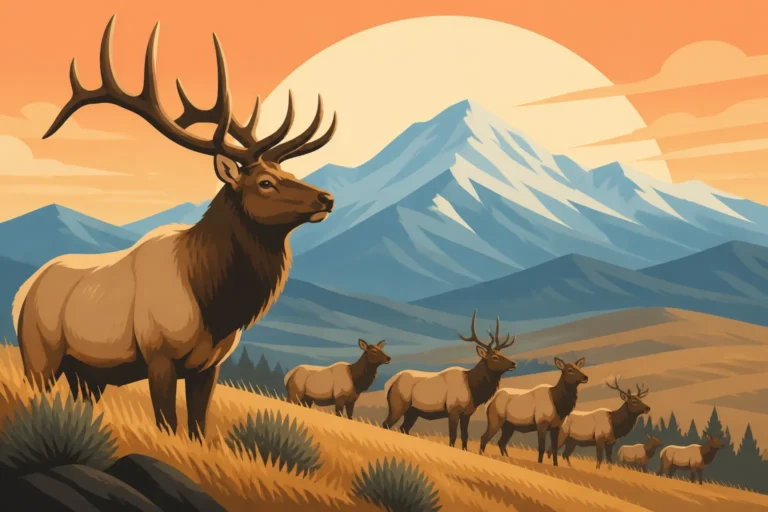
The Yakima Elk Herd is, without a doubt, one of Washington's most renowned and sought-after populations for hunters. This herd represents a significant portion of the Rocky Mountain elk found east of the Cascades, and their story is intertwined with the landscape itself. For generations, these elk have roamed the sagebrush hills, timbered ridges, and deep canyons of south-central Washington, adapting to a diverse environment that swings from arid, hot summers to often brutal, snowy winters. Understanding their historical journey and the nuances of their habitat is the first step in truly appreciating the complexity of hunting them.
Historically, elk populations in Washington faced significant challenges, including unregulated hunting and habitat loss during early settlement periods. However, through dedicated conservation efforts, including reintroduction programs and strict management by the Washington Department of Fish and Wildlife (WDFW), the Yakima Elk Herd has rebounded, establishing itself as a robust and generally healthy population. These efforts weren't just about numbers; they were about securing essential winter and summer ranges, creating migration corridors, and balancing the needs of wildlife with human activity in a growing state. The sustained health of the Yakima herd is a testament to long-term collaborative conservation.
The habitat they call home is incredibly diverse, offering everything an elk needs through the seasons. In the higher elevations, particularly during warmer months, they find lush forage in subalpine meadows and the protective cover of dense fir and pine forests. As winter approaches, they descend to lower elevations, relying on the more open, sagebrush-steppe environments for accessible forage when snow blankets the high country. This seasonal movement, often over significant distances, is a critical aspect of their survival and dictates much of their behavior, especially when hunting seasons align with these shifts.
Geographical Boundaries of the Yakima Herd
The Yakima Elk Herd primarily occupies what is generally known as the Yakima River drainage and its surrounding mountain ranges. This encompasses a broad area, most notably the L.T. Murray Wildlife Area, the Oak Creek Wildlife Area, and vast tracts of national forest land, including portions of the Okanogan-Wenatchee National Forest. The terrain here is incredibly varied, ranging from the rugged, timbered slopes of the Cascade foothills to the rolling sagebrush and rimrock country further east into the Columbia Basin. It's a landscape of dramatic elevation changes, deep river valleys, and expansive plateaus, each offering unique challenges and opportunities for both elk and hunters.
Specific Game Management Units (GMUs) like the Naneum, Umtanum, and Colockum are intrinsically linked to the Yakima herd, representing key parts of its historical and contemporary range. These units are popular destinations for elk hunters, often requiring special permits due to the high demand and the quality of the hunting experience. Understanding these GMU boundaries is absolutely crucial, not just for legal hunting, but also for interpreting elk movements and predicting where they might be at different times of the year. What happens in one part of their range, say a heavy snow year in the high country, will directly influence their presence and behavior in the lower, more accessible units.
Access within these geographical boundaries can be a mixed bag. While there are extensive public lands, including national forests and WDFW wildlife areas, significant portions are also private property or managed timberlands. Hunters often need to carefully research and plan their routes, keeping in mind Washington Game Management Units Explained and potential access restrictions or permits. Some areas may involve difficult hiking, navigating dense timber, or traversing steep, rocky slopes, demanding excellent physical conditioning and thorough preparation. The sheer scale and ruggedness of this landscape are defining characteristics of hunting the Yakima herd.
Historical Context of Elk Management in the Region
The journey of the Yakima Elk Herd from near decimation to a thriving population is a conservation success story, albeit one with ongoing challenges. In the early 20th century, market hunting and expanding agricultural frontiers pushed elk populations to dangerously low levels across much of Washington. The establishment of wildlife areas, controlled hunting seasons, and the reintroduction of Rocky Mountain elk from other states, particularly in the 1930s and 40s, were pivotal in rebuilding the herd. These foundational efforts laid the groundwork for the robust population we see today.
Modern management by WDFW continues to be a complex balancing act, aiming to sustain a healthy elk population while providing diverse hunting opportunities and mitigating conflicts with agricultural interests. This involves careful monitoring of herd health, population estimates, bull-to-cow ratios, and calf recruitment rates. Hunter harvest quotas, special permit allocations, and general season structures are all designed to manage the herd within ecological carrying capacity and social tolerance levels. It's a dynamic system, constantly evaluated and adjusted based on scientific data, habitat conditions, and public input.
One of the significant historical challenges, and still a relevant factor today, is managing elk on agricultural lands, particularly during winter months when elk often seek accessible forage on private farms and orchards. This has led to programs like crop damage permits and targeted hunts to alleviate pressure on landowners. Similarly, the long-term health of the herd depends on maintaining and improving critical winter range habitat, which is often threatened by development and changing land use patterns. Understanding this intricate history of management helps hunters appreciate the value of their tags and the importance of ethical hunting practices in sustaining this iconic herd.
Population Dynamics and Health of the Herd
The health and population dynamics of the Yakima Elk Herd are constantly monitored, as they directly influence hunting opportunities and the long-term sustainability of this valuable resource. WDFW employs a variety of methods to track the herd, from aerial surveys to ground counts and hunter harvest data. These numbers tell a story not just about how many elk there are, but also about their overall well-being, reproductive success, and ability to thrive within their vast habitat. Hunters are a crucial part of this equation, as their harvest data provides vital information for management decisions.
The herd, like any large wildlife population, experiences natural fluctuations due to weather patterns, disease, forage availability, and predation. A severe winter can significantly impact calf survival, while a mild, wet spring can lead to a boom in forage, contributing to better body condition and higher reproductive rates. Understanding these dynamics is essential for realistic expectations when planning a hunt. For instance, if you hear about a particularly harsh winter in the Yakima region, you might anticipate a slightly lower calf recruitment rate in the subsequent years, which could subtly influence herd composition and density.
Furthermore, the overall health of the herd is paramount. Factors such as disease, like the occasional outbreaks of foot rot, or the impact of heavy parasite loads can affect an elk's ability to forage, escape predators, and reproduce successfully. WDFW biologists work diligently to monitor these health indicators, often relying on public reporting of sick animals to track potential issues. A healthy herd is a productive herd, capable of sustaining both its numbers and the hunting traditions deeply ingrained in Washington's outdoor culture.
Current Population Estimates and Trends
While specific numbers can fluctuate from year to year, the Yakima Elk Herd is generally considered one of Washington's larger and more stable elk populations. Recent estimates from WDFW typically place the core herd in the multiple thousands, making it a significant contributor to the state's overall elk numbers, which you can learn more about in Washington's Ten Major Elk Herds. These estimates are not just a single count but are derived from a combination of scientific methods, including aerial surveys during optimal conditions (like post-snowfall), marked animal resightings, and sophisticated population modeling based on harvest data.
Over the past decade, the Yakima herd has experienced periods of growth and stabilization. However, like all wildlife, they are not immune to challenges. Habitat changes, human encroachment, and climatic shifts are ongoing pressures. For example, prolonged drought conditions can impact forage quality and water sources, potentially affecting calf survival rates in subsequent years. Conversely, targeted habitat restoration efforts or beneficial weather patterns can lead to periods of strong growth. When planning your hunt, it's always a good idea to check the most recent WDFW big game pamphlet for the latest herd status updates, as these often contain valuable insights into population trends within specific GMUs.
The demand for hunting opportunities in the Yakima units remains consistently high, particularly for quality bulls, which is a testament to the herd's reputation. This demand is reflected in the draw odds for special permits, which can be quite challenging to obtain. For general season hunters, success often hinges on diligently scouting and adapting to current elk distribution. GoHunt provides excellent resources for analyzing draw odds and harvest success rates, giving hunters a data-driven edge when deciding where and how to apply for permits or plan general season hunts. Understanding these trends helps you manage your expectations and refine your hunting strategy.
Factors Affecting Herd Health and Calf Survival
Several key factors play a crucial role in the overall health and calf survival rates within the Yakima Elk Herd. Predation is certainly one, with cougars and bears being primary natural predators of elk calves and, occasionally, adult elk. The presence of wolf packs in some peripheral areas of the Yakima range also adds another layer to this dynamic. While predation is a natural and necessary part of ecosystem health, significant increases in predator numbers can impact calf recruitment in specific areas, especially if other stressors are present.
Habitat quality and availability are perhaps the most significant long-term factors. Elk need good nutrition year-round to be healthy and reproduce successfully. This means access to adequate forage, water, and cover across their seasonal range. Degradation of winter range, whether through fire, development, or invasive species, can severely impact the herd's ability to survive harsh winters and for cows to come into calving season in good condition. Similarly, disturbance in calving grounds can lead to increased calf mortality as cows are forced to move or calves are separated.
Weather also plays a massive role. Harsh winters with deep, persistent snow can lead to increased mortality, especially among calves and older animals, due to starvation and increased vulnerability to predators. Conversely, severe summer droughts can reduce forage quality and water availability, impacting the condition of pregnant cows and the survival of newborn calves. Disease, such as the aforementioned hoof disease, can also periodically affect local populations within the herd, causing lameness and reduced survival. WDFW continues to research and monitor these factors closely to implement effective management strategies.
Elk Behavior and Seasonal Movements in the Yakima Unit
Understanding the seasonal behavior and migration patterns of the Yakima Elk Herd is like having a secret map to their world. Elk are creatures of habit, largely driven by the availability of food, water, cover, and the avoidance of pressure, both human and natural. These patterns, however, are not set in stone and can shift dramatically from year to year based on weather, forage conditions, and hunting pressure. A hunter who knows when and why the elk move is significantly more likely to find success.
The Yakima region, with its diverse elevations and habitats, forces elk into distinct seasonal movements. From the high country's lush summer feed to the lower, more accessible winter ranges, elk undertake migrations that can span many miles. These movements are critical during hunting seasons, as they often concentrate animals into specific areas or make them more vulnerable during their journey. Knowing these general patterns allows you to anticipate where elk should be, rather than just guessing.
Furthermore, elk behavior itself changes with the seasons. During the spring and summer, the focus is on calving and growing, with herds often broken into smaller, cow-calf groups and bachelor bull groups. Come fall, the rut ignites a frenzy of bugling and territorial behavior among bulls, creating unique hunting opportunities. As winter sets in, survival becomes paramount, and elk become more focused on conserving energy and finding easy feed. Each of these phases requires a different approach, both in scouting and on-the-ground tactics.
Spring and Summer Patterns: Calving and High Country
As the snow melts and green-up begins in the lower and mid-elevations, the Yakima elk herd begins its northward and upward migration towards their summer ranges. Pregnant cows will seek out secluded, secure areas to calve, often in dense timber or thick brush, where they can give birth and raise their vulnerable newborns away from predators and disturbance. These calving grounds are critical and typically remain undisturbed by humans. During this time, cow-calf groups will be relatively secluded, focused on nursing and growth.
The bulls, on the other hand, often form bachelor herds and move into the highest elevations as soon as they become snow-free. Here, they will spend the summer months packing on weight, growing their antlers, and recovering from the rigors of the previous rut and winter. These high-country basins and ridges, with their abundant forage and cooler temperatures, are ideal for antler growth and building fat reserves. While access to these areas in summer can be challenging due to lingering snow or road closures, early season scouting, as outlined in Public Land Scouting in Washington Before Opening Day, can reveal key summer feeding grounds and travel routes that may become active during early fall hunts.
Spotting these bachelor herds in the vast high country during late summer can be incredibly rewarding, not just for the sheer beauty of the scene but for the invaluable intel it provides. Observing their preferred feeding areas, bedding sites, and travel corridors before the season opens can give you a significant advantage. Remember, while they are in their summer patterns, these elk are relatively undisturbed by human presence compared to the upcoming hunting seasons, making them somewhat predictable until the pressure hits.
Fall and Winter Migrations: Hunting Season Implications
The transition from late summer to early fall marks a dramatic shift in elk behavior and movement, directly impacting hunting seasons. As the days shorten and temperatures drop, and especially with the first significant snowfalls in the high country, the elk begin their migration back down to lower elevations. This is often triggered by changes in forage quality, decreasing temperatures, and the onset of the rut, though the exact timing can vary annually. This migration means elk might be found in different areas than where they spent the summer, often moving through specific corridors or staging grounds.
The rut, usually peaking in mid-September for Rocky Mountain elk, is a crucial period for archery and early muzzleloader hunters. Bulls, full of testosterone, become vocal and less cautious, actively seeking cows and challenging rivals. This is when calls like bugles and cow calls, as described in Bugling and Cow Calling in Washington's Archery Elk Season, are most effective. Hunters need to be where the rutting activity is, which might be in the higher timbered basins early in the season, or lower down as the migration progresses. Post-rut, bulls tend to separate from cows and retreat to thick cover to recover, becoming much harder to locate.
As winter truly sets in, usually from late November through March, heavy snow pushes the entire herd down to their traditional winter ranges. These lower elevation areas, often managed by WDFW like the Oak Creek Wildlife Area, provide more accessible forage and escape cover. Hunting opportunities during late seasons, often reserved for special permits, require understanding these specific wintering grounds and anticipating how elk will move under deep snow conditions. Road closures for winter range protection, which you can read more about in Washington Winter Range Closure Dates, are common during this time to minimize disturbance to vulnerable elk. Understanding these critical seasonal shifts is key to successful Washington Elk Hunting Tactics by Weapon Season.
Hunting Opportunities and Challenges in the Yakima Elk Unit
The Yakima Elk Unit offers some of Washington's most exciting, yet equally challenging, elk hunting experiences. It's a place where dreams of big bulls are born, but also where hunters often face rugged terrain, unpredictable weather, and significant competition. Whether you're a seasoned veteran or planning your first Washington elk hunt, understanding the specific opportunities and inherent difficulties of this area is essential for proper preparation and managing expectations.
One of the primary drawcards of the Yakima is the potential for trophy-class Rocky Mountain elk. The genetics and habitat here are conducive to growing large bulls, attracting hunters from across the state and beyond. However, this potential comes with a high level of demand, making tags difficult to acquire for some hunters. The landscape itself presents a challenge, from the steep, timbered canyons to the expansive, open sagebrush hills, each requiring different hunting styles and physical stamina.
Moreover, hunting pressure can be substantial, especially during general seasons. This pressure can push elk into thicker cover or more remote, difficult-to-access areas, demanding adaptability and persistence from hunters. Successfully navigating the Yakima means having a solid plan, being physically prepared, and having the mental toughness to stick with it when the going gets tough.
General Season vs. Special Permit Hunts
Hunting the Yakima Elk Herd generally falls into two categories: general season hunts and special permit hunts. Each offers a vastly different experience and probability of success. General seasons, typically held in October for modern firearm hunters and September for archery hunters, are available to anyone who purchases an over-the-counter elk tag and declares the Eastside. These seasons are characterized by higher hunter density and often require covering more ground to find undisturbed elk. Success rates during general seasons can be lower, but dedicated hunters who get away from roads and push into less accessible areas can still find good opportunities.
Special permit hunts, on the other hand, offer highly coveted tags for specific GMUs within the Yakima complex, often with extended seasons or antlerless opportunities. These permits are allocated through a lottery draw system, and the odds of drawing one can be very low, especially for quality bull units. However, if you are lucky enough to draw, these hunts typically offer a higher chance of success due to lower hunter numbers, specific weapon choices, or more flexible season dates that might coincide with prime rut activity or migrations. Applying for these permits requires careful planning and understanding the Washington Special Hunt Permits and How to Apply process, often months in advance.
Choosing between a general season hunt and applying for a special permit depends on your goals, patience, and willingness to accept lower odds. Many hunters apply for special permits year after year, hoping to draw a "dream" tag, while also planning a general season hunt as a backup. This strategy ensures you'll always have an opportunity to be in the field pursuing elk, even if it means putting in extra effort during the general season.
Navigating Access and Terrain
The sheer scale and varied terrain of the Yakima Elk Unit present significant challenges for hunter access and navigation. You'll encounter a mosaic of land ownership, including vast tracts of national forest, state wildlife areas, and considerable private timber company lands. While national forests and WDFW lands are generally open to public hunting, understanding specific road closures, wilderness boundaries, and special regulations is critical. For instance, many areas have "Green Dot" road systems, which regulate motorized access and often designate walk-in-only areas.
Private timberlands, such as those managed by Weyerhaeuser or Hancock Forest Management, often require permits or fees for access. These permits can be competitive and sell out quickly, necessitating early planning. Checking the land status maps, like those available through GoHunt or OnX, is indispensable for avoiding trespass and identifying legal access points. Hunters need to be aware of Washington Private Lands Access Programs and specific requirements for each timber company. Without proper research, you can easily find yourself facing a locked gate or a "no trespassing" sign, wasting valuable hunting time.
Beyond land access, the terrain itself demands respect. Much of the Yakima unit is characterized by steep, often brushy slopes, deep canyons, and rocky ridges. You'll likely encounter elevations ranging from 2,000 feet to over 6,000 feet. This kind of country requires physical fitness, sturdy boots (like those discussed in Boots for Washington's Eastside Rock and Westside Mud), and a good pack to haul out meat. Navigating these steep grades with a heavy load is no joke, and many successful hunts turn into multi-day pack-outs. Preparation isn't just about shooting skills; it's about being ready for the physical demands of the mountain.
Strategies for Successful Yakima Elk Hunting
Hunting the Yakima Elk Herd demands a blend of careful planning, strategic execution, and mental fortitude. It's not a place for the unprepared; the elk are smart, the terrain is unforgiving, and other hunters will be out there. However, with the right approach, successful Yakima elk hunting is absolutely achievable, offering some of the most rewarding experiences in Washington. It all starts long before the season opener, with dedicated e-scouting and pre-season preparation, culminating in adaptable on-the-ground tactics.
The key to success often lies in getting away from the crowds and into areas where elk feel secure. This might mean hiking deeper, climbing higher, or targeting specific pockets of cover that other hunters overlook. It also involves understanding the elk's daily routines – where they feed, water, and bed – and tailoring your approach to intercept them. Being adaptable to changing conditions, whether it's an unexpected snowstorm or a shift in elk behavior due to pressure, is also paramount.
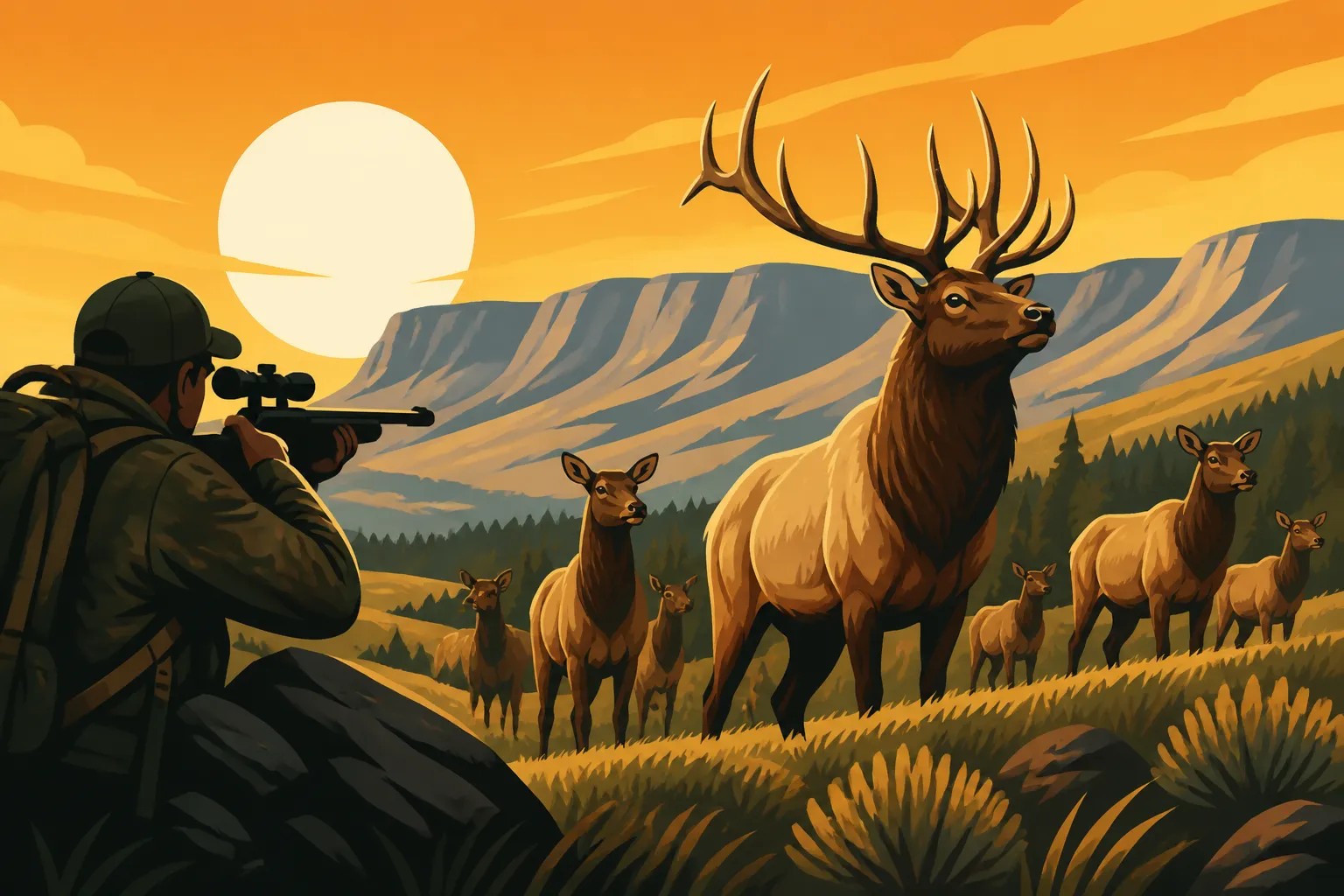
Ultimately, successful Yakima elk hunting is a marathon, not a sprint. It requires patience, persistence, and a willingness to put in the hard work. But the reward of calling in a bugling bull or tracking a majestic Rocky Mountain elk through this incredible landscape makes every step worth it.
E-Scouting and Pre-Season Preparation
Modern technology has revolutionized pre-season scouting, making e-scouting an indispensable tool for hunting the Yakima. Utilizing satellite imagery and mapping applications like OnX Hunt or GoHunt, you can analyze terrain features, identify potential water sources, pinpoint historical burn areas (which often hold new forage), and locate bedding thickets from the comfort of your home. Focus on areas with a combination of feed, water, and cover, especially those that are difficult to access, as these often hold unpressured elk. You can even use these tools to create routes and mark waypoints for potential spike camps, as detailed in E-Scouting Washington GMUs Before the Draw.
Beyond digital maps, thorough research is key. Dive into WDFW's annual hunting pamphlets, paying close attention to unit-specific regulations, harvest statistics, and any reported herd movements or conditions. Look for information on Washington General Season Versus Special Permit Hunts for the units you plan to hunt. Online forums and hunting groups can also offer valuable, albeit anecdotal, insights into recent conditions or patterns, but always verify information with your own research and observations.
Physical preparation is just as important as e-scouting. The Yakima's steep slopes and often dense timber will test your endurance. Start a rigorous exercise regimen months before your hunt, focusing on hiking with a weighted pack, inclines, and core strength. This preparation will not only make the hunt more enjoyable but will also increase your ability to get to remote areas and, crucially, pack out an elk if you're successful. Don't underestimate the physical demands; a poorly conditioned hunter risks injury and can significantly reduce their effective hunting range.
On-the-Ground Tactics and Gear Considerations
Once you're on the ground in the Yakima, your tactics need to be dynamic and responsive to the elk and their environment. Early in the archery season, particularly during the rut, aggressive calling can be highly effective, especially when trying to locate and challenge bulls in dark timber. As the season progresses and pressure mounts, elk become more cautious. Still-hunting slowly and quietly through timbered slopes, or setting up on known travel corridors between feeding and bedding areas, often yields better results. Glassing open slopes and clearcuts at first light and last light, particularly with good optics, can also be productive for spotting distant animals.
Here’s a quick overview of essential gear for the Yakima:
| Gear Item | Key Consideration | Why it Matters in Yakima |
|---|---|---|
| Boots | Sturdy, waterproof, broken-in, good ankle support | Steep, rocky, wet terrain demands reliable footwear |
| Optics | Quality binoculars (10x-15x), maybe a spotting scope and tripod | Extensive glassing in open areas, identifying distant elk |
| Pack | Frame pack capable of hauling heavy loads | Crucial for packing out meat in rugged, remote terrain |
| Rain Gear | Durable, quiet, breathable waterproof layers | Weather can change rapidly; staying dry is essential |
| Navigation | GPS device or phone with offline maps (e.g., OnX Hunt, GoHunt) | Complex terrain, easy to get disoriented, essential for safety |
| Game Bags | Breathable, protective bags for meat | Keeps meat clean, cools efficiently, deters flies |
| Weapon | Rifle, bow, or muzzleloader appropriate for the season and legal | Caliber, draw weight, broadhead rules are specific to Washington |
| First-Aid Kit | Comprehensive kit for injuries, blisters, emergencies | Remote hunting means self-sufficiency is vital |
For rifles, consider a flat-shooting caliber like a .300 Win Mag or 7mm Rem Mag for potential longer shots in open country, but also something maneuverable in tight timber. Archery hunters should ensure their bows are tuned and broadheads are legal, as discussed in Washington Archery Equipment Rules. Remember, the weather in the Yakima can be incredibly fickle, shifting from warm sunshine to cold rain or snow in a matter of hours. Layering, using quality merino wool or synthetics, is critical for staying comfortable and safe, which you can read more about in Layering for Wet Cold Weather. A robust pack for quartering and packing an elk solo is also a must. You don't want to get a bull down miles deep and realize your pack won't handle the weight.
Ultimately, successful Yakima elk hunting comes down to diligence. Being prepared physically and mentally, leveraging modern scouting tools, understanding elk behavior, and having the right gear are the pillars of a rewarding experience in this iconic Washington hunting grounds.
Disclaimer
Please remember that hunting regulations, seasons, and access rules can change frequently. Always consult the most current Washington Department of Fish and Wildlife (WDFW) regulations pamphlet and relevant land management agency websites before planning any hunting trip. This guide is for informational purposes only and does not supersede official regulations.