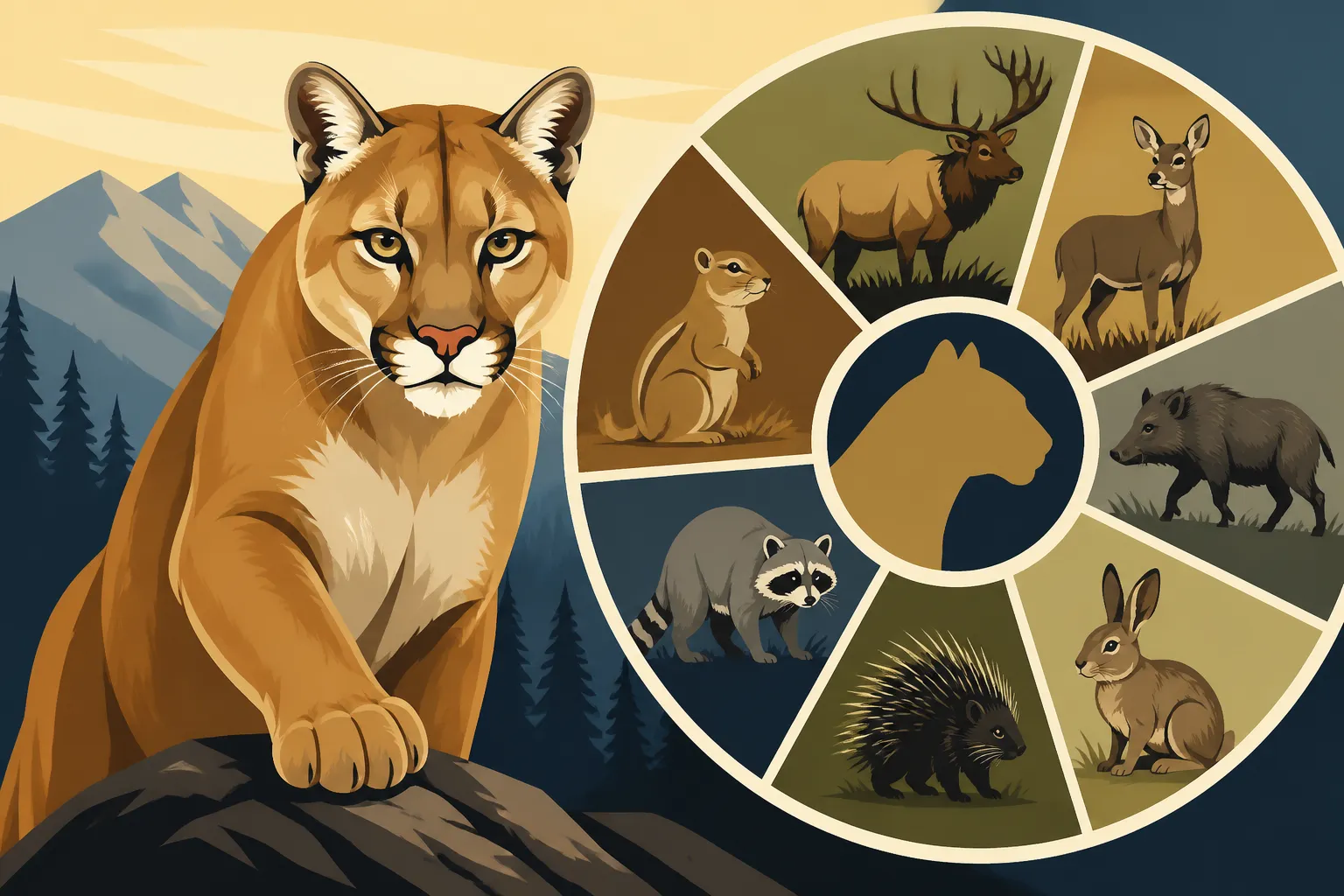
What a Cougar Kills in a Year
The elusive cougar, or mountain lion as many know it, is one of Washington's most formidable predators, and for many hunters and wildlife enthusiasts, there's a natural curiosity, and sometimes a bit of trepidation, about just how much impact these incredible animals have on our state's deer and elk populations. It's not uncommon to hear theories about their kill rates, and understanding their actual predatory habits is key to appreciating their role in the ecosystem and informing how we approach hunting and wildlife management. This guide aims to demystify what a cougar typically kills in a year here in Washington, delving into their diet, the factors influencing their success, and how scientists go about estimating their impact.
The Core Diet of Washington Cougars: Prey Preference and Variability
Cougars are apex predators, perfectly evolved for hunting medium to large mammals. While they are opportunistic hunters, their diet primarily revolves around a few key species that are abundant in their Washington habitats. Understanding these preferences helps us grasp the sheer volume of prey they can consume annually.
Primary Prey Species: Deer and Elk
Across Washington, from the wet, dense forests of the Olympic Peninsula to the sage-studded hills of the Eastside, deer are hands down the cougar's most important food source. Blacktail deer on the western side of the state and mule deer on the eastern side form the backbone of a cougar's diet. These deer are abundant, relatively easy to ambush in diverse terrain, and provide a substantial meal. Adult deer, especially does and young bucks, are frequently targeted. Calves and fawns, particularly during their vulnerable early weeks, are also a significant component of the diet when available, offering a comparatively easy kill. This dependency means that local deer populations are often the primary gauge for cougar density and activity.
Elk, while larger and more challenging to take down, are also a critical prey item for Washington cougars, especially in areas where elk herds are robust. Young elk calves are particularly vulnerable, especially those belonging to Roosevelt Elk of Western Washington or Rocky Mountain Elk East of the Washington Cascades. An adult cougar, or a mother with cubs, might target an older, weaker cow elk or a spike bull if the opportunity arises. Taking down a full-grown, healthy bull elk is a much rarer feat, often requiring specific ambush conditions or a severe disadvantage on the elk's part. These larger kills provide a substantial amount of food, allowing a cougar to feed for several days from a single carcass.
Opportunistic Hunting and Secondary Prey
While deer and elk are the staples, cougars are far from picky eaters when a chance arises. They are highly opportunistic predators, meaning they won't pass up an easier meal if it presents itself. This extends their diet beyond just the large ungulates. Smaller mammals like raccoons, coyotes, and even porcupines can become targets, especially if deer and elk populations are low, or if a cougar is young and still honing its hunting skills. We've seen cougars take wild turkeys, grouse, and even various smaller furbearers.
In certain specific areas, cougars might also prey on bighorn sheep lambs or mountain goat kids, though these occurrences are less common due to the often-remote and rugged habitat of these species. Unfortunately, a cougar's opportunistic nature can sometimes lead them into conflict with humans. If natural prey becomes scarce, or if cougars habituate to human presence, they may prey on domestic livestock such as sheep, goats, or even calves, as well as pets. This is where the challenge of Cougar Predation on Washington Deer Herds can sometimes extend to domestic animals, creating understandable concern for ranchers and homeowners.
Seasonal Shifts and Availability
A cougar's diet isn't static; it shifts with the seasons and the availability of prey. During the spring, the landscape is bursting with new life, and this is when vulnerable elk calves and deer fawns are born. This period represents a significant caloric boon for cougars, especially females with young. They can capitalize on these relatively easy targets, reducing the energy expenditure required for a kill. This also aligns with the cougar breeding cycle, where females often have cubs to feed during these high-prey availability months.
As winter approaches, especially in areas with significant snowfall like parts of the Okanogan and North Cascades Hunting Areas, cougars might follow deer and elk to their winter ranges, where deep snow can make ungulates more vulnerable. Conversely, if harsh winters make hunting particularly difficult, cougars may become even more opportunistic, increasing their likelihood of preying on secondary species or, in extreme cases, venturing closer to human settlements in search of food. Understanding these seasonal dynamics is crucial for wildlife managers and hunters alike, as it helps predict where and when cougar activity might be concentrated.
Factors Influencing Cougar Kill Rates
The idea that every cougar kills at the same rate throughout the year is a myth. Their annual kill tally is a complex equation influenced by a variety of environmental and biological factors. It's never a simple "one kill per week" across the board.
Habitat and Prey Density
The type of habitat a cougar lives in and, critically, the density of its primary prey play enormous roles in its kill rate. In lush, timbered areas of Western Washington where Blacktail Deer Density in Washington Timber is high, a cougar might find it easier to ambush deer more frequently. The dense cover provides excellent stalking opportunities. Similarly, in parts of Eastern Washington with robust Mule Deer Numbers in Eastern Washington, a cougar may also have a consistent food supply. Conversely, in areas with lower deer or elk numbers, a cougar will have to work harder, cover more ground, and potentially make fewer kills overall, or supplement its diet with more secondary prey.
Think of it like this: a cougar living in a prime area like the Colockum or Yakima elk herds with plenty of cover and ample prey will naturally have a higher kill frequency than a cougar trying to eke out a living on the fringes of a developed area with scattered deer. The more abundant and accessible the prey, the less time and energy a cougar needs to expend to secure its next meal. This concept is something hunters consider when scouting; understanding the "grocery store" for predators can tell you a lot about where the game might be concentrating. GoHunt's mapping tools can be really helpful here, allowing you to visualize habitat types and potential prey concentrations.
Cougar Age, Sex, and Reproductive Status
A cougar's individual characteristics also heavily influence its hunting success and, therefore, its kill rate. Young, inexperienced cougars, especially those recently dispersed from their mother, are often less efficient hunters. They'll likely make more failed attempts and spend more time seeking prey, resulting in a lower kill frequency until they develop their skills. They might also rely more on smaller, easier-to-catch prey.
Adult cougars, particularly prime-aged males, tend to be the most efficient hunters due to their size, strength, and experience. They can successfully take down larger prey with greater consistency. Female cougars, however, face a unique challenge: raising cubs. A female with 2-3 growing cubs has a significantly higher caloric demand than a solitary male or a female without offspring. This means she must hunt much more frequently and successfully to feed herself and her young. Her kill rate will skyrocket during this period, often making her the most impactful predator on a local prey population until her cubs disperse. A male cougar, on the other hand, might focus on securing a large territory and will kill primarily for himself, though he will defend his kills vigorously.
Environmental Conditions
Mother Nature throws her own variables into the mix. Severe winters, particularly those with deep, persistent snow, can significantly impact both predator and prey. For cougars, deep snow can sometimes make stalking easier as prey struggles to move, or it can make travel and hunting harder if the snow is too deep for the cougar itself. Critically, harsh winters often weaken prey animals, making them more susceptible to predation. A deer that is struggling through heavy snow and lacking nutrition is an easier target than a healthy, alert animal in mild conditions.
Conversely, droughts or other environmental stresses that impact forage can also indirectly affect cougar kill rates. If prey animals are struggling due to lack of food or water, their overall health declines, potentially making them more vulnerable. Similarly, periods of prolonged rain or extreme cold can affect a cougar's ability to hunt effectively, forcing them to spend more energy simply staying warm. These environmental conditions are part of the broader ecological picture that influences Elk Calf Survival in Washington and other prey species, which in turn dictates cougar hunting success.
Estimating a Cougar's Annual Toll: Research and Challenges
Trying to pin down an exact number for how many animals a single cougar kills in a year is a challenging endeavor, even for seasoned wildlife biologists. It requires intensive study and often relies on a combination of different research methods.
Research Methods and Kill Site Investigations
Wildlife agencies like WDFW, along with university researchers, employ various techniques to study cougar predation. One of the most common and effective methods involves radio-collaring cougars. By fitting a cougar with a GPS collar, researchers can track its movements, identify clusters of activity that might indicate a kill site, and then investigate those locations on the ground. At a kill site, biologists look for evidence like tracks, blood, hair, and carcass remains to confirm a kill and identify the species, age, and sometimes even the sex of the prey animal. This direct observation is invaluable.
Another method involves analyzing cougar scat (feces) to determine diet composition. While scat analysis can tell us what a cougar is eating, it doesn't give us the frequency of kills. Combining these methods with telemetry data on cougar home ranges and activity patterns allows researchers to build a more comprehensive picture of their predatory behavior. It’s a testament to the dedication of wildlife scientists that we have any understanding of these secretive animals at all, often requiring extensive backcountry fieldwork. This is a much more intensive process than, say, simply trying to understand How WDFW Counts Big Game for more visible species like deer or elk through aerial surveys.
Average Kill Frequencies
Based on numerous studies conducted across various cougar ranges, including Washington, a common figure for kill frequency often falls in the range of one kill every 7 to 14 days for a solitary adult cougar. This means a cougar could be making roughly 25 to 50 kills per year. However, this is a broad average and, as discussed, is heavily influenced by those individual and environmental factors. A female with cubs, for example, might be making kills far more frequently, potentially every 3-5 days during peak demand, whereas a young, inexperienced male might be closer to the lower end of that range, or even less successful.
It's also important to remember that not every kill is a large ungulate. Many of those kills might be smaller prey items that provide less sustenance and therefore necessitate more frequent hunting. The overall biomass consumed is perhaps a more accurate metric than simply the number of individual animals. One large elk might sustain a cougar for over a week, while several smaller animals would be needed to provide the same caloric intake over that period. This is where tools like those offered by GoHunt, which provide data on prey distribution and density, can give hunters a sense of the broader ecological picture.
Variability and Individual Differences
Ultimately, trying to quantify "what a cougar kills in a year" comes down to understanding that there's no single, static answer. Each cougar is an individual, shaped by its genetics, its mother's teaching, its territory, and the ever-changing environment. Some cougars become exceptional hunters, specializing in certain prey or thriving in particular terrain, while others might be less effective. Injury, old age, or disease can also drastically reduce a cougar's hunting efficiency and kill rate.
This variability is why wildlife management is so complex. Blanket statements about cougar impact often fail to capture the nuances of individual territories and specific cougar behaviors. A single, highly effective cougar in a small, localized area with vulnerable prey could have a more pronounced impact on deer or elk numbers than a less successful cougar covering a much larger territory. This constant interplay of factors makes the cougar one of the most fascinating, and challenging, animals to study and manage in Washington.
Understanding Cougar Predation in Washington's Ecosystem
Cougars aren't just efficient killers; they are integral components of Washington's natural world, playing a crucial role in maintaining healthy ecosystems. Their predation is a natural force that has shaped prey populations for millennia.
Natural Balance and Apex Predators
As apex predators, cougars sit at the top of the food chain, exerting a top-down influence on their ecosystem. Their role isn't just about reducing prey numbers; it's about shaping the quality of those populations. Cougars naturally target the weak, old, sick, or unwary individuals within a deer or elk herd. By culling these less fit animals, they help ensure that the stronger, healthier individuals survive to reproduce, contributing to the overall genetic fitness and resilience of the prey species. This process, known as natural selection, is fundamental to ecosystem health.
They also help prevent overpopulation of ungulates, which can lead to overgrazing and habitat degradation. Without natural predators, deer and elk populations can explode, leading to widespread damage to forests and vegetation, which then impacts other wildlife species. The presence of cougars encourages prey animals to remain vigilant, to move more, and to avoid certain areas, influencing their distribution and behavior in ways that benefit the ecosystem as a whole. It's a tough balance, but an essential one.
Impact on Huntable Populations and Management
For human hunters, understanding cougar predation has significant implications. While cougars naturally select for weaker animals, they also take healthy ones, including fawns and calves that represent future hunting opportunities. This can lead to valid concerns among hunters about local deer and elk numbers, especially in areas where populations appear to be declining. WDFW continually monitors Washington Cougar Population and Density as part of its management strategy, trying to balance cougar numbers with healthy prey populations and hunter expectations.
WDFW's management goals for cougars typically aim to maintain healthy cougar populations while minimizing conflicts with humans and livestock, and ensuring stable prey populations for both cougars and human hunters. This involves setting harvest guidelines, which can sometimes lead to Washington Cougar Harvest Guideline Closures when harvest quotas are met in certain areas. These guidelines are dynamic, based on ongoing research and population monitoring, and aim to ensure that cougar predation remains within ecologically sustainable limits that also consider human values and hunting opportunities. Hunters often use resources like GoHunt to stay updated on these management areas and regulations.
Coexistence and Conservation
Ultimately, living with cougars in Washington is about understanding and promoting coexistence. While their kill rates are significant, they are a natural part of our state's wild heritage. For hunters, recognizing their role means understanding that they are competition, yes, but also a vital force in the health of the very animals we pursue. Respecting their space, understanding their behavior, and being aware of their presence are crucial for anyone spending time in Washington's backcountry.
Conservation efforts often focus on maintaining large, intact habitats where cougars can thrive without excessive human conflict, ensuring they have sufficient natural prey. This benefits not only cougars but the entire web of life that depends on those healthy ecosystems. Hunters, as conservationists, play a vital role in supporting these efforts, recognizing that a healthy cougar population is a sign of a healthy Washington wilderness.
Disclaimer
This article is for general informational purposes only and does not constitute professional advice. Laws, prices and regulations vary by location and change over time. Consult a qualified professional for guidance on your specific situation.