Cougar Attacks in Washington History
It’s a chilling thought that can cross any outdoorsperson's mind: what if I encounter a cougar? While cougar attacks are incredibly rare events in Washington, the primal fear is very real. Understanding the history of these incidents and, more importantly, how to prevent them and react safely is crucial for anyone venturing into our beautiful, wild landscapes. This guide will walk you through the realities of cougar encounters, separate fact from fiction, and equip you with practical knowledge to stay safe.
Understanding Cougar Behavior and Why Attacks Occur
Cougars, also known as mountain lions or pumas, are apex predators—powerful, intelligent, and generally very reclusive. They are masters of stealth, often present in an area long before any human even knows it. The vast majority of the time, a cougar will detect you first and simply slip away unnoticed, preferring to avoid confrontation. This inherent shyness is why encounters, let alone attacks, are so infrequent.
However, like any wild animal, a cougar's behavior can be unpredictable, especially when certain factors come into play. They are driven by their need to hunt and survive, and sometimes, unfortunate circumstances can lead to a dangerous interaction. For instance, a cougar might feel cornered or threatened, particularly if protecting a kill or cubs. You might stumble upon them accidentally, startling them. In these defensive scenarios, they may lash out if they perceive a direct threat. We have a robust population, and understanding Cougars in Washington and How Many There Are gives you context for why encounters, while rare, are possible.
Predatory attacks, though even rarer, are usually driven by hunger or a cougar seeing a human, especially a small child or a solo individual, as potential prey. This is not to say humans are a primary food source; far from it. It's an opportunistic act, often by a young, inexperienced cougar that hasn't fully learned to avoid humans, or an old, injured, or sick animal struggling to hunt its usual quarry. Habituation to humans, usually through easy access to food sources (like pet food, livestock, or garbage), can also lead cougars to lose their natural fear, increasing the risk of close encounters. When planning any backcountry trip, whether for hunting or just enjoying nature, resources like GoHunt can be invaluable for understanding the terrain and potential wildlife activity, helping you avoid areas where cougars might be more present due to abundant prey.
A Look at Cougar Incidents in Washington's History
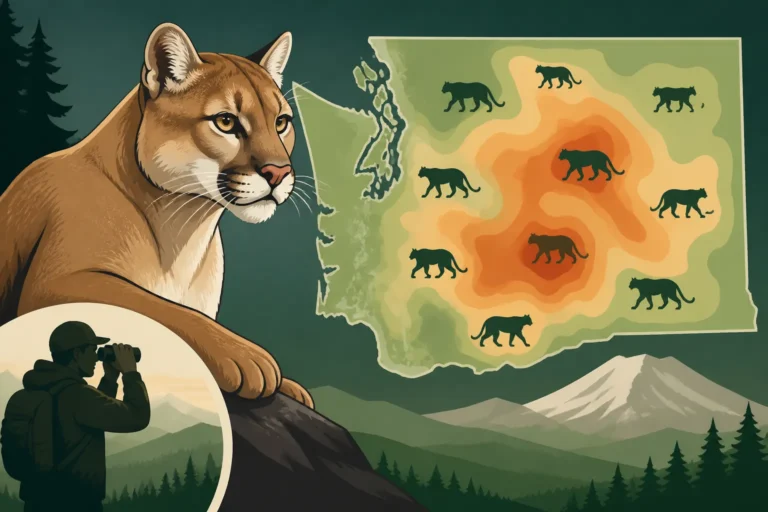
When we talk about cougar attacks in Washington, it's vital to put them into perspective. Considering the sheer number of cougars estimated to live across the state and the millions of hours people spend recreating in cougar country each year, the actual number of attacks is remarkably low. These animals are widespread, from the dense coastal forests to the rugged peaks of the Cascades and the broken terrain of Eastern Washington. We see significant numbers, as detailed in Washington Cougar Population and Density, yet incidents remain sparse.
Historically, Washington has experienced a handful of cougar attacks. The incidents that do occur are often highly publicized because of their rarity and the inherent fear these powerful predators evoke. These events typically fall into a few categories:
- Defensive Encounters: These are often accidental, where a person inadvertently surprises a cougar, perhaps near a fresh kill or a den site. The cougar reacts defensively to perceived aggression, much like any wild animal would. These are usually quick, "hit and run" events, where the cougar immediately disengages once the perceived threat is gone.
- Predatory Incidents: These are the most concerning but also the least common. They often involve younger cougars who may not have fully developed their hunting skills or a clear understanding of humans as non-prey. Small children and solo individuals can sometimes be viewed as potential prey, especially if they are behaving in ways that mimic vulnerable animals, such as stooping down or running.
- Habituation-Related Attacks: Less common in Washington due to strong management policies that discourage feeding wild animals, these occur when cougars become accustomed to human presence, often associating people with food (garbage, pet food, livestock). When their natural fear erodes, they may become bolder, leading to more aggressive encounters.
While specific dates and locations are not something I can pull up in real-time, the general pattern is consistent: most encounters do not result in injury, and those that do are usually quick and the cougar disengages. Fatalities are exceedingly rare, making headlines precisely because they are so tragic and anomalous. Many experienced hunters, who might also use platforms like GoHunt for their scouting, will tell you that paying attention to deer and elk sign is also key to understanding where cougars might be, as these are their primary food source. Understanding Cougar Predation on Washington Deer Herds can also give you insight, and often, platforms like GoHunt provide mapping overlays that indicate typical prey ranges.
Proactive Steps to Minimize Your Risk
Being prepared is always better than being surprised. While cougar encounters are rare, taking preventative measures significantly reduces your risk, whether you're hiking, camping, or Hunting Washington's Wilderness Areas.
Hiking and Recreation Safety
- Travel in Groups: This is perhaps the most effective deterrent. A group of people makes more noise and appears much larger than a single individual, making a cougar less likely to approach.
- Make Noise: Talk, sing, or whistle while you're on the trail, especially in dense brush or low visibility conditions. This alerts wildlife to your presence and reduces the chance of surprising a cougar.
- Supervise Children and Pets: Keep children close to you and never let them run ahead or lag behind. Keep dogs on a leash, especially in cougar country. A loose dog can easily provoke an encounter.
- Be Aware of Your Surroundings: Pay attention to animal trails, fresh tracks, or scat. Reading Cougar Sign in the Snow can be particularly informative in winter. Look up into trees – cougars often cache kills or rest in branches.
- Avoid Dawn and Dusk: Cougars are most active during these low-light hours. If possible, plan your activities for midday.
- Carry Bear Spray: While primarily designed for bears, bear spray can be an effective deterrent against an attacking cougar. Ensure you know how to access and use it quickly.
Camping and Home Safety
- Secure Food and Garbage: Never leave food, pet food, or garbage accessible. Store food in sealed containers in your vehicle or bear-proof canisters. This is critical for preventing habituation.
- Clear Brush: Keep areas around your campsite or home free of dense brush where cougars might hide.
- Install Outdoor Lighting: Motion-sensor lights around your property can deter nocturnal visitors.
- Protect Livestock and Pets: Bring pets inside at night. Secure livestock in barns or enclosures, and consider predator-proof fencing.
- Report Sightings: If you see a cougar near your home or a recreation area, report it to the Washington Department of Fish and Wildlife (WDFW). This helps them monitor Cougar Territory and Movement and address potential problem animals. For those meticulously planning their outdoor excursions, leveraging tools like GoHunt can help identify areas with higher cougar populations or frequent sightings reported by other users, aiding in your preparedness.
Prevention vs. Reaction: A Quick Comparison
Here's a simple breakdown of strategies:
| Prevention Strategies | Encounter Reaction Strategies |
|---|---|
| Travel in groups, make noise | Don't run, make yourself large |
| Supervise children and pets closely | Maintain eye contact |
| Secure food, garbage, and pet food | Make noise, yell aggressively |
| Avoid dawn/dusk recreation | Throw rocks or sticks |
| Be aware of tracks and signs | Fight back if attacked |
| Carry deterrents like bear spray | Protect your head and neck |
What to Do If You Encounter a Cougar
Even with all the preventative measures, a rare encounter can still happen. Knowing how to react can make all the difference. The key is to project confidence and, if necessary, fight back.
The Initial Sighting
- Do NOT Run: This is paramount. Running triggers a cougar's chase instinct, mimicking prey behavior. Stand your ground.
- Make Yourself Look Large: Open your jacket, raise your arms, stand tall. Pick up small children immediately.
- Maintain Eye Contact: Stare directly at the cougar. Predators typically avoid confrontation with animals that make eye contact and appear ready to fight.
- Make Noise: Yell loudly and firmly. A deep, authoritative voice is best. Throw rocks, sticks, or anything you can get your hands on, but avoid turning your back.
If the Cougar Behaves Aggressively or Attacks
If the cougar doesn't retreat and shows signs of aggression—flattened ears, hissing, crouching, or stalking—you need to escalate your response.
- Fight Back Aggressively: If a cougar attacks, fight back with everything you have. Use sticks, rocks, your fists, or anything else available. Aim for the face and eyes. People who have successfully survived cougar attacks have universally reported fighting back vigorously.
- Protect Your Head and Neck: These are critical areas that a cougar will target. If you fall, try to protect these areas with your arms and hands.
- Use Bear Spray: If you have bear spray, deploy it. Be prepared for the cougar to retreat quickly.
After an Encounter or Attack
- Report Immediately: As soon as you are safe, report the encounter to the Washington Department of Fish and Wildlife (WDFW). Even if it was just a sighting without an attack, this information is crucial for wildlife management and public safety.
- Seek Medical Attention: If you or anyone in your party was injured, no matter how minor, seek medical attention immediately. Wild animal bites can carry infection.
- Cooperate with Authorities: Provide as much detail as possible about the cougar's appearance, behavior, and the location of the encounter.
While the thought of a cougar attack is unsettling, remember that these incidents are exceptionally rare. By understanding cougar behavior, taking proactive safety measures, and knowing how to react if an encounter occurs, you can confidently enjoy Washington's incredible wilderness. Hunters pursuing species like deer or elk should also be familiar with Washington Archery Deer and Elk Dates and Washington Muzzleloader Season Structure to know when they might be in more remote cougar habitats. Even if you're out Glassing Eastern Washington Breaks for Mule Deer, remaining vigilant is always a good idea. Hunters interested in Cougar Hunting in Washington After the Hound Ban often spend a lot of time learning about these animals to gain an edge. It's not just about the hunt; it's about respectful coexistence with a powerful native species.
Disclaimer
This article is for general informational purposes only and does not constitute professional advice. Laws, prices and regulations vary by location and change over time. Consult a qualified professional for guidance on your specific situation.