Carbon Versus Aluminium Tripods
Choosing the right tripod for your Washington hunting adventures can feel like a surprisingly complex decision. Many hunters focus so much on the optics themselves—the binoculars, the spotting scope—that the stable foundation they rest on often gets an afterthought. But trust me, a shaky setup can ruin a shot or make spotting that trophy bull across a canyon an exercise in pure frustration. This guide is here to walk you through the nitty-gritty of carbon fiber versus aluminum tripods, helping you understand which material will best serve you in the diverse and often demanding landscapes of Washington state.
Why a Tripod is Non-Negotiable for Washington Hunters
You might think a tripod is just for those long-range western hunts, perched on a ridge, glassing for miles. And while that's certainly true for the vast, open expanses of Eastern Washington, a quality tripod is equally vital in the dense timber and steep, wet country west of the Cascades. It's not just about stability for high-magnification glassing; it's about reducing fatigue, making ethical shots, and ultimately, increasing your chances of success in a state known for its challenging terrain.
Enhancing Your Glassing Game
Imagine yourself on an early morning in the Blue Mountains, trying to pick out a Rocky Mountain Elk East of the Washington Cascades against a backdrop of shadowed timber and brush. Without a stable platform, even 10x binoculars can feel like a jump rope after a few minutes, turning every distant tree into a potential elk. A tripod allows you to lock in your view, relax your muscles, and systematically dissect the landscape. This steady platform is absolutely crucial when you're trying to Glassing Eastern Washington Breaks for Mule Deer or pinpoint a blacktail buck in a Reading Clearcuts and Reprod for Blacktail Bucks at the edge of legal shooting light. You'll catch subtle movements, tell-tale antler tips, or even just the flick of an ear that you'd undoubtedly miss handheld.
The Advantage of a Stable Shooting Rest
Beyond optics, a tripod can double as an incredibly effective shooting rest. Whether you're carrying a rifle, a muzzleloader, or even a crossbow, having a rock-solid rest can make all the difference when a fleeting shot opportunity arises. In the steep and uneven terrain common across Washington, finding a natural, stable rest can be a challenge. A tripod, especially one that adjusts quickly, means you can get steady and make an accurate shot, even if you’re leaning into a steep hillside or dealing with unexpected wind gusts that frequently sweep through the mountains. This adaptability ensures ethical shot placement, which is paramount to every responsible hunter. For hunters using Rifle Setup for Washington Elk and Deer, the ability to quickly deploy a stable rest can be a game-changer when seconds count.
Reducing Fatigue in the Field
Let's be honest, hunting in Washington is physically demanding. From the steep climbs in the Cascades to the miles of logging roads in western timber, every ounce you carry and every movement you make contributes to fatigue. Holding binoculars or a spotting scope steady for prolonged periods is exhausting, leading to muscle strain, shaky hands, and ultimately, missed opportunities. By using a tripod, you can reduce this physical strain significantly. You're no longer fighting to keep your optics still; the tripod is doing the heavy lifting, allowing you to focus your energy on observation and stalking. This is especially true if you plan on extended glassing sessions, such as when you are Glassing From a Tripod All Day searching for that elusive bull.
Carbon Fiber Tripods: The Lightweight Powerhouses
Carbon fiber tripods are often seen as the premium choice in the hunting world, and for good reason. They offer a compelling blend of features that can be highly advantageous for hunters who prioritize weight savings and performance in demanding conditions.
The Allure of Low Weight
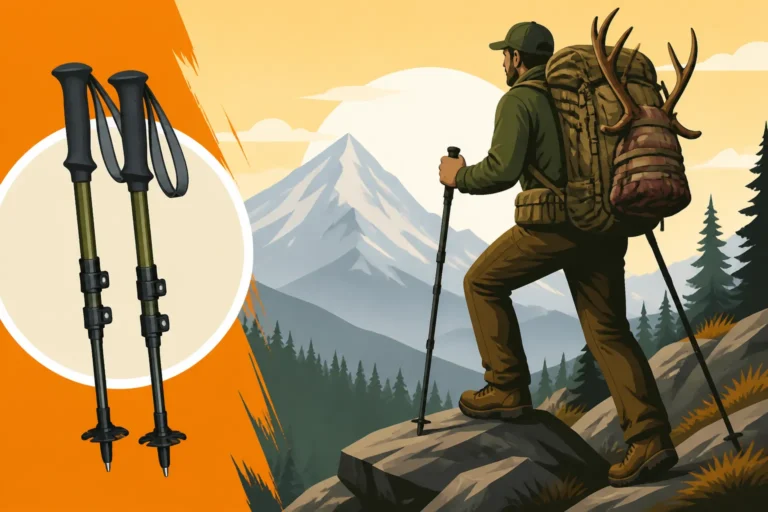
The most celebrated characteristic of carbon fiber is its incredible strength-to-weight ratio. These tripods are significantly lighter than their aluminum counterparts, a feature that becomes incredibly valuable when you're packing gear deep into Washington's backcountry. Think about an elk hunt in the Pasayten Wilderness or a multi-day trip in the Olympic National Forest; every pound shed from your pack makes a noticeable difference, especially when you might be Packing an Elk Out of Washington's Backcountry. Lighter gear allows you to move faster, cover more ground, and conserve energy for the critical moments of the hunt. This reduction in Pack Weight One Hunter Can Carry translates directly to increased endurance and comfort in the field.
- Real-World Scenario: You've been hiking for hours through the steep, broken country of the Colockum Unit in pursuit of mule deer. Your pack is already heavy with water, food, and emergency gear. Pulling out a carbon fiber tripod that weighs a mere three or four pounds versus an aluminum one that's pushing six or seven might not seem like much on paper, but after miles of elevation gain, those few extra pounds feel like bricks. The lighter load helps you stay fresher, allowing you to maintain focus when it's time to glass the opposing ridge for signs of game.
Superior Vibration Dampening
Carbon fiber has inherent material properties that allow it to absorb and dampen vibrations much more effectively than aluminum. This means that if you're set up on a windy ridge in Eastern Washington, or if you accidentally bump your tripod during a critical moment, the image through your optics will stabilize much faster. This rapid dampening is a huge advantage when trying to make precise observations, especially with high-magnification spotting scopes.
- Real-World Scenario: You're using a high-magnification spotting scope to scrutinize a distant hillside for signs of a branch-antlered bull in the Naneum Unit. A stiff breeze kicks up, making your aluminum tripod wobble, causing the image to blur. With a carbon fiber tripod, that same breeze might cause a momentary shake, but the vibrations dissipate almost instantly, allowing you to regain a clear view much quicker. This can be the difference between confirming that faint movement as a deer or dismissing it as an empty branch.
Temperature Resistance and Ergonomics
Unlike aluminum, carbon fiber doesn't conduct cold as readily. This might seem like a minor detail, but anyone who has hunted in Washington's late-season snow or wet, cold conditions knows how quickly metal can chill your bare hands. Carbon fiber feels much warmer to the touch, making adjustments and carrying the tripod significantly more comfortable, especially when you're hunting in November and dealing with Late-Season Snow and Road Access.
- Real-World Scenario: It's a crisp, freezing morning in November, and you're set up on a high point overlooking a basin, waiting for daylight. You've got your gloves off to make fine adjustments to your tripod and spotting scope. If you're using an aluminum tripod, the cold metal can quickly numb your fingers. With carbon fiber, the legs feel much less frigid, allowing you to maintain dexterity and comfort as you glass for hours.
The Trade-Off: Cost and Durability Considerations
The primary drawback of carbon fiber is its cost. These tripods are generally much more expensive than aluminum models. While they are incredibly strong, carbon fiber can be more susceptible to catastrophic failure from sharp impacts or crushing forces. A direct, hard hit on a rock can potentially crack or splinter a carbon fiber leg, whereas an aluminum leg might just dent or bend.
- Real-World Scenario: You're scrambling over a rocky talus slope in the North Cascades, and your tripod, strapped to your pack, takes an unfortunate direct hit against a jagged rock. If it's aluminum, you might end up with a deep gouge or a bent leg section that's still functional. If it's carbon fiber, a severe impact could potentially splinter a tube, rendering that leg, or even the entire tripod, unusable for the rest of your hunt. This is a tough pill to swallow, especially given the higher initial investment.
Aluminum Tripods: The Robust Workhorses
Aluminum tripods have been the standard for decades, offering a reliable and often more budget-friendly option. They might not boast the same lightweight appeal or vibration dampening as carbon fiber, but they bring their own set of advantages to the Washington hunting scene.
Affordability and Value
For many hunters, especially those just starting out or working with a tighter budget, the cost of aluminum tripods is a major advantage. You can get a highly functional and durable aluminum tripod for a fraction of the price of a comparable carbon fiber model. This makes quality optics support accessible to a wider range of hunters, allowing them to allocate more funds to other essential gear like Boots for Washington's Eastside Rock and Westside Mud or better quality glass. Platforms like GoHunt often feature discussions and reviews on high-value aluminum tripod options that perform admirably without breaking the bank.
- Real-World Scenario: You're a newer hunter, piecing together your gear list for your first big game hunt in Washington. You've invested heavily in a good rifle and a solid pair of binoculars. An aluminum tripod allows you to get the critical stability you need for effective glassing and shooting without having to push your budget to the limit, leaving funds for other necessities like quality rain gear or a reliable pack.
Exceptional Durability and Ruggedness
Aluminum is known for its resilience. While it might dent or bend under extreme force, it's far less likely to shatter or splinter than carbon fiber. This makes aluminum tripods incredibly forgiving in rough environments, which is certainly a characteristic of many Washington hunting units. If you're prone to being hard on your gear, or if you anticipate hunting in truly unforgiving terrain where knocks and drops are inevitable, an aluminum tripod can offer peace of mind.
- Real-World Scenario: You're elk hunting in the steep, brushy Willapa Hills, crawling through thick salal and devil's club. Your tripod frequently snags on branches, gets bumped against trees, and occasionally takes a tumble down a short bank. An aluminum tripod will likely shrug off these abuses with minor cosmetic damage, continuing to perform reliably. A carbon fiber model might hold up, but the risk of a critical failure from repeated hard impacts would be higher.
Weight Considerations and Bulk
The trade-off for aluminum's durability and affordability is typically its weight. Aluminum tripods are heavier than carbon fiber models, which can be a significant factor on long hikes or multi-day hunts. They can also feel a bit bulkier in hand or when strapped to a pack due to the thicker tubing often used to achieve comparable rigidity.
- Real-World Scenario: You're planning an ambitious early season archery hunt in a remote section of the Gifford Pinchot National Forest, aiming to get deep into a promising basin. Every extra pound of gear counts. An aluminum tripod, while robust, adds noticeable weight to your pack, potentially slowing your pace or increasing your fatigue when you need to be fresh for the final stalk. This is where lighter alternatives, as often discussed by gear junkies on GoHunt, really shine.
Cold Conductivity
As mentioned earlier, aluminum conducts cold very efficiently. In chilly weather, the metal legs can become uncomfortably cold to the touch, potentially making adjustments difficult with bare hands and contributing to overall discomfort. While gloves can mitigate this, some hunters find it a noticeable downside.
- Real-World Scenario: During a late-season deer hunt in the Okanogan, temperatures drop well below freezing overnight. When you pull out your aluminum tripod at first light, the metal legs are ice cold. Adjusting the leg locks or extending the sections without gloves can quickly make your fingers ache, a small but persistent nuisance on a long, cold day of glassing.
Making the Decision: Carbon Fiber or Aluminum for Your Washington Hunt?
Ultimately, the choice between a carbon fiber and an aluminum tripod boils down to your personal hunting style, budget, and the specific conditions you anticipate in Washington. There's no universally "best" option; only the best option for you.
Prioritizing Weight Versus Budget
If you are an avid backcountry hunter who regularly ventures deep into remote wilderness areas like the Wenaha-Tucannon, or you simply demand the lightest possible setup for long treks, and your budget allows, carbon fiber is likely the superior choice. The weight savings alone can be a game-changer for your endurance and comfort over multiple days. However, if you primarily hunt from a vehicle, make shorter day trips, or are on a strict budget, a high-quality aluminum tripod will serve you exceptionally well, freeing up funds for other critical gear or even more hunting opportunities.
Anticipating Terrain and Conditions
Consider the ruggedness of the terrain you typically hunt. If you're constantly busting through dense brush, scrambling over rocks, or dropping gear in tough spots, the inherent resilience of aluminum might give you more peace of mind. For hunters navigating the wet, muddy conditions of Western Washington, the temperature resistance of carbon fiber can be a small but appreciated comfort. Conversely, in the open, windy country of Eastern Washington, the superior vibration dampening of carbon fiber becomes a significant advantage when you're glassing with powerful Spotting Scopes and When You Need One. Many seasoned hunters, especially those who share their experiences on platforms like GoHunt, often weigh these environmental factors heavily in their gear choices.
The Role of Your Optics
The type of optics you use should also influence your tripod choice. If you're primarily using lightweight 10x binoculars, the extreme stability of a high-end carbon fiber tripod might be overkill. However, if you're mounting heavy 15x binoculars or a large objective spotting scope, the enhanced stability and vibration dampening of carbon fiber will be much more noticeable and beneficial. When you’re spending hours studying distant terrain, every bit of optical clarity counts, and a superior tripod provides that steady base.
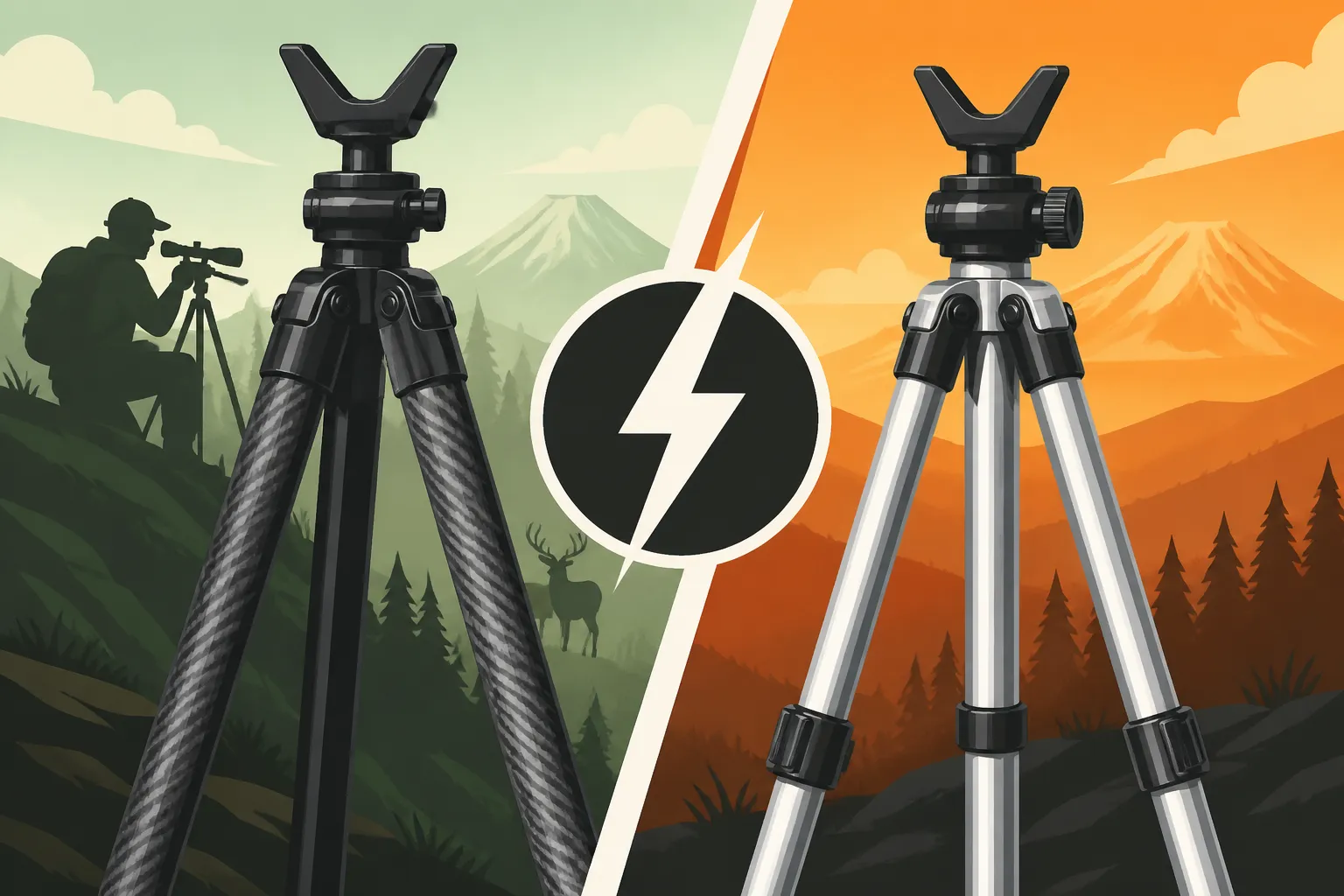
Here's a quick comparison to help you weigh the factors:
| Feature | Carbon Fiber Tripod | Aluminum Tripod |
|---|---|---|
| Weight | Significantly lighter | Heavier |
| Cost | Higher upfront investment | More affordable, good value |
| Durability | Very strong, but susceptible to sharp impacts/cracks | Very durable, more resistant to bending/denting |
| Vibration | Excellent dampening, stabilizes quickly | Good dampening, but slower to stabilize |
| Cold Feel | Less conductive, feels warmer to the touch | Highly conductive, feels colder to the touch |
| Rigidity | Excellent | Good, but often achieved with thicker tubing |
| Ideal For | Backcountry hunting, long hikes, high-magnification optics, windy conditions | Budget-conscious hunters, rugged terrain, shorter trips, vehicle-based hunts |
No matter which material you choose, remember that the tripod is an investment in your hunting success and comfort. A well-chosen tripod will not only provide a stable base for your optics but can also serve as a reliable shooting rest, helping you make more accurate and ethical shots. Take the time to consider your typical Washington hunting scenarios, your budget, and how much you value weight savings versus outright ruggedness. Happy hunting!
Disclaimer
This article is for general informational purposes only and does not constitute professional advice. Laws, prices and regulations vary by location and change over time. Consult a qualified professional for guidance on your specific situation.