Colville National Forest Hunting in Washington
Hunting in a vast, diverse area like the Colville National Forest can feel like trying to find a needle in a haystack, especially when you're staring at a map that just looks like an endless sea of green. It's easy to get overwhelmed by the sheer size and varying terrain, wondering where to even begin looking for game. This guide is here to break down the Colville National Forest, helping you understand its unique hunting opportunities and how to effectively navigate its extensive landscape for a successful outing.
Understanding the Colville National Forest Landscape
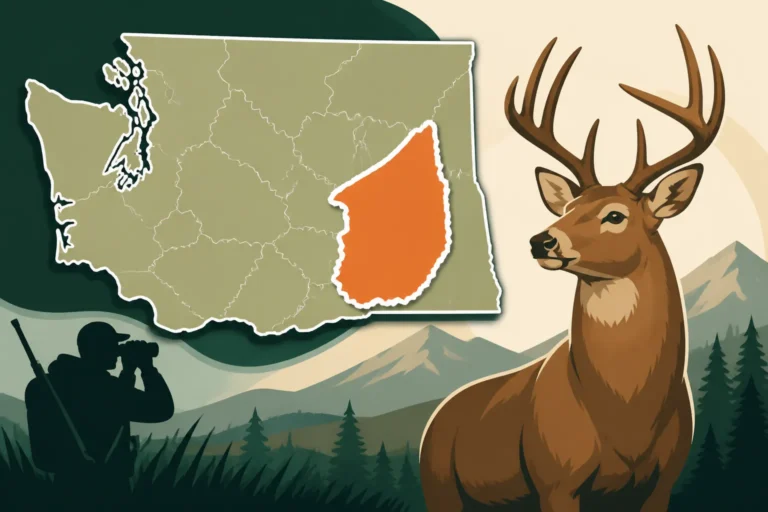
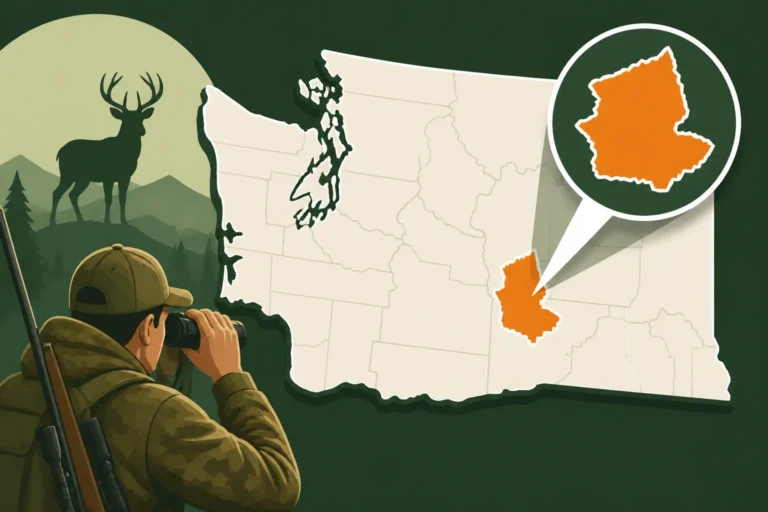
The Colville National Forest, nestled in the northeastern corner of Washington State, is a sprawling expanse of mixed conifer forests, rugged mountains, deep valleys, and pristine rivers. It's a truly wild place, offering a different experience than the dense, wet forests west of the Cascades. For hunters, understanding its unique topography and ecosystems is the first step to unlocking its potential.
Geographic Overview and Key Features
Spanning over a million acres across Ferry, Pend Oreille, and Stevens counties, the Colville National Forest is characterized by its dramatic elevation changes. You'll find everything from the river bottoms along the Pend Oreille River to the higher, craggy peaks of the Selkirk Mountains. The forest is dotted with numerous lakes and crisscrossed by a network of creeks and rivers, creating diverse habitats that hold a variety of game. The sheer scale can be intimidating, but it also means there's always new ground to explore. It's not uncommon to start your day glassing open, timbered slopes and end it picking through thick brush along a drainage bottom. This mixed terrain demands versatility from hunters, both in terms of physical conditioning and hunting tactics. Knowing the general layout – where the steep, dense sections are versus the more accessible, rolling hills – can save you days of unproductive scouting.
Forest Roads and Access Challenges
Accessing the heart of the Colville National Forest often means relying on its extensive network of forest service roads. Some of these are well-maintained gravel roads, while others are rough, unpaved tracks that require high-clearance vehicles, or even just your two feet. A common frustration for hunters here is encountering roads that are gated or seasonally closed, especially as you get further into the backcountry. It's crucial to check the Colville National Forest's official website for current road conditions and closures before heading out. Don't rely solely on what a map tells you from last year; conditions change rapidly due to weather, logging operations, or wildlife management. Many prime hunting areas are found miles beyond these gates, requiring a willingness to hike in. This can be a blessing in disguise, as it naturally filters out some of the hunting pressure, leaving more solitude and undisturbed animals for those willing to put in the effort. Always have a backup plan for access, and be prepared to hoof it if your intended route is blocked. You might find some great spots Hunting Behind Timber Company Gates if you do your homework.
Wildlife Diversity and Habitats
The varied landscape of the Colville National Forest supports an incredible diversity of wildlife. This isn't just an elk forest or a deer forest; it's a rich tapestry of ecosystems. You'll find prime habitat for large game like whitetail deer, mule deer, elk, black bears, and even moose in certain areas. Predator species like cougars and coyotes also thrive here. Beyond the big game, upland birds such as grouse are common, particularly in the mixed conifer stands. Each species favors specific types of habitat, so understanding these preferences is key. Whitetail deer often stick to the dense timber and brushy creek bottoms, while mule deer might be found higher up in more open, scattered timber or along rocky outcroppings. Elk will utilize a wide range of habitats, from dark timber bedding areas to open feeding meadows. Being able to read the landscape and identify these different habitats will greatly increase your chances of finding game.
Popular Game Species in the Colville National Forest
The Colville National Forest is a diverse hunting ground, offering opportunities for several highly sought-after species. Each requires a slightly different approach, both in terms of scouting and in-the-field tactics. Understanding the nuances of hunting these animals in this specific region will elevate your game.
Mule Deer and Whitetail Hunting Strategies
One of the unique aspects of hunting the Colville is the presence of both mule deer and whitetail deer, often in overlapping territories.
Mule Deer of Eastern Washington are typically found in the more open, pine-studded ridges and south-facing slopes, particularly where you can find sagebrush or drier conditions. They often utilize timber edges but aren't as reliant on thick cover as their whitetail cousins. Glassing these open areas at first light and last light, then working into the timber as they move to bed, is a classic strategy. Focus on areas with good visibility but also escape cover nearby. Hunting these areas often means covering a lot of ground with your eyes, relying heavily on good optics.
White-Tailed Deer in Northeast Washington, on the other hand, are creatures of the dense cover. You'll often find them tucked into thick creek bottoms, brushy draws, or heavy timber stands, especially near agricultural fields on the forest fringes. Still-hunting through these dense areas, moving slowly and deliberately, is often the most effective method. Pay close attention to subtle movements, ear flickers, or patches of white. Hunting whitetails here requires patience and a keen eye for detail in low visibility. During the rut, rattling and grunting can also be effective to draw out curious bucks from their hiding spots. Understanding Whitetail Rut Timing in Washington can be a game-changer.
Distinguishing between the two species quickly can also be important, especially if you're in a unit with specific antler point restrictions. Mule deer have larger ears and a narrower, rope-like tail with a black tip, while whitetails have a smaller, broad tail that they often flag when alarmed, showing its white underside.
Elk Opportunities and Preferred Terrain
While the Blue Mountains get a lot of buzz for elk, the Colville National Forest also holds good numbers of Rocky Mountain Elk. These are not the dense-timber Roosevelt elk you find on the westside; these elk prefer a mosaic of open timber, clearcuts, and dark timber pockets. They are highly migratory, often moving between summer and winter ranges, which can make them elusive. Early season archery hunts often find bulls bugling in the higher elevations, while later seasons might see them pushed down into thicker timber or lower benches. Rocky Mountain Elk East of the Washington Cascades are known for their strong bugling, and locating them by sound can be an effective tactic during the rut.
Elk in the Colville will utilize north-facing slopes for bedding, especially in warmer weather, seeking cooler, denser cover. South-facing slopes are often preferred for feeding, where the sun melts snow faster or warms up forage. Look for benches, saddles, and transition zones where different habitat types meet. Water sources are also critical, especially in drier years. Don't overlook old burns or clearcuts that are regenerating, as these can provide excellent forage. Remember that elk are masters of using topography to their advantage, often disappearing into a small fold in the land, even when you think you have them patterned.
Bear and Cougar Presence
The Colville National Forest is home to a healthy population of Washington Black Bears Coast to Cascades. Bear hunting here is typically done by spot-and-stalk or still-hunting, as baiting and hounds are not allowed in Washington. Bears in this region often feed on berries in late summer and early fall, particularly huckleberries and serviceberries, so focusing on areas with these food sources can be productive. Look for disturbed logs, scat, and claw marks on trees. South-facing slopes that green up early in the spring can also be hotspots. Where Bears Feed in Early Fall is a great resource for identifying prime feeding areas. Remember, always be bear aware, even when hunting other species.
Cougars are also present throughout the forest, often following their primary prey, deer and elk. Finding cougars without hounds, as is the case in Washington, is a challenging but rewarding endeavor. Look for fresh tracks in the snow or on dusty logging roads, especially around recent deer or elk kill sites. Concentrating your efforts near known deer and elk bedding or feeding areas can increase your chances of encountering one. Understanding Cougar Hunting in Washington After the Hound Ban can give you insights into effective strategies without dogs. A distress call can sometimes bring in a curious cougar, but patience is absolutely key.
| Species | Preferred Habitat | Common Tactics | Key Season Focus |
|---|---|---|---|
| Mule Deer | Open ridges, pine stands, south-facing slopes | Glassing, spot-and-stalk, still-hunting timber edges | Early Archery, Rifle |
| Whitetail Deer | Dense timber, creek bottoms, brushy draws | Still-hunting, rattling/grunting (rut) | Rifle, Late Archery |
| Rocky Mtn Elk | Mixed timber, clearcuts, transition zones, high country | Bugling (archery), spot-and-stalk, still-hunting | Archery, Rifle |
| Black Bear | Berry patches, disturbed logs, dense cover | Spot-and-stalk, still-hunting food sources | Early Fall |
| Cougar | Deer/elk dense areas, fresh tracks, kill sites | Still-hunting, calling, track following | Winter (snow) |
Navigating Regulations and Access Points
Hunting in the Colville National Forest isn't just about finding game; it's also about understanding the rules and knowing where you're legally allowed to be. Washington's regulations can be complex, and navigating public and private land boundaries is critical for a smooth hunt.
GMU Specifics and Boundary Awareness
The Colville National Forest spans several Game Management Units (GMUs), and each can have different regulations regarding season dates, weapon restrictions, and antler point requirements. For example, some units might be "any buck" for whitetail but have a three-point minimum for mule deer, or specific elk seasons. It is absolutely essential to know precisely which GMU you are hunting in and to have the current Washington Big Game Hunting Seasons & Rules pamphlet. Ignorance of the law is no excuse, and a simple mistake can lead to significant penalties. I always recommend carrying a physical copy of the pamphlet and using a reliable mapping app like onX Hunt or GoHunt that displays GMU boundaries clearly. You'd be surprised how often a deer can cross a GMU line without realizing it, and you need to know exactly where you are. Reading a Washington GMU Boundary effectively is one of the most important skills a hunter can develop. Spend time studying the boundaries of your chosen GMU, noting any distinct terrain features, roads, or rivers that serve as markers.
WDFW Access Programs and Timber Company Lands
While much of the Colville National Forest is federal land managed by the U.S. Forest Service, there are also parcels of Washington Department of Fish and Wildlife (WDFW) lands, as well as private timber lands mixed throughout. WDFW offers various access programs, such as "Feel Free to Hunt" or "Register to Hunt" properties, which can provide additional opportunities. These programs are often highlighted on the WDFW website and through their interactive mapping tools. It's always a good idea to check these resources, as they can sometimes lead you to smaller, less-pressured pockets of land.
Private timber companies, such as Stimson Lumber or others, own substantial tracts of land within and adjacent to the Colville National Forest. Many of these companies charge fees for access permits, while others may offer walk-in only access or require written permission. These rules can change annually, so direct communication with the timber company is vital. Don't assume anything. A good resource for this is the WDFW's private lands access information, which often lists companies and their specific requirements. Neglecting to obtain proper permission on private land, even if it's adjacent to public, is trespassing and can lead to serious legal trouble and damage hunter-landowner relations. Timber Company Permits in Western Washington is a topic often discussed, but similar principles apply to eastern Washington too.
Special Considerations for Wilderness Adjacent Areas
The Colville National Forest borders several designated wilderness areas, such as the Salmo-Priest Wilderness. While hunting is permitted in wilderness areas, specific rules apply, particularly concerning motorized travel and mechanized transport. You cannot use ATVs, e-bikes, or even mountain bikes in designated wilderness areas. All travel must be by foot or horseback. This means if your hunt takes you into or near a wilderness boundary, you need to be prepared for a truly self-sufficient backcountry experience.
Hunting adjacent to wilderness can be a smart strategy, as it often provides sanctuary for game pushed out of more accessible areas. However, it also means a longer pack out if you're successful. Be aware of the exact wilderness boundaries, as they are often not well marked on the ground. Your mapping app is your best friend here. Consider how far you're willing to pack meat and plan your hunt accordingly. A solid understanding of Washington Wilderness Rules on Motorized Carts will keep you out of trouble and ensure your hunt is ethical and legal.
Essential Gear and Scouting for Success
Hunting the Colville National Forest is an investment of time and effort, and showing up prepared is half the battle. From pre-season scouting to in-the-field essentials, the right gear and knowledge can make all the difference.
Mapping Tools and E-Scouting Techniques
Before you ever set foot in the Colville, modern technology allows for incredible pre-season preparation. E-scouting, using satellite imagery and topographical maps, is an indispensable tool. Platforms like onX Hunt or GoHunt are goldmines for this. With these tools, you can identify potential bedding areas (dense timber on north-facing slopes), feeding areas (clearings, south-facing slopes, old burns), water sources, and travel corridors (saddles, ridges, creek bottoms). You can mark potential access points, identify closed roads, and visualize the terrain.
I always recommend downloading offline maps to your phone before heading out, as cell service in much of the Colville National Forest is non-existent. This ensures you always know where you are, even deep in the backcountry. Look for subtle changes in vegetation, benches, and any features that might funnel game. Pay attention to elevation changes and potential escape routes. E-scouting can help you narrow down vast areas to more manageable sections, allowing you to prioritize your in-person scouting efforts once you arrive. Don't just look at the pretty pictures; use the topo lines to understand the actual steepness and lay of the land. This information is critical for planning your approach and extraction. E-Scouting a Washington GMU From Home is a skill worth honing.
Optics for Dense Timber and Open Breaks
The Colville's varied terrain, from dense timber to more open, broken country, demands a versatile optics setup. For general use and still-hunting in the timber, a good pair of 8x or 10x binoculars is essential. They are compact, offer a wide field of view, and are excellent for picking apart thick cover. Look for quality glass that performs well in low light, as many animals are most active at dawn and dusk. Best Binocular Magnification for Elk Hunting is often a hot topic, but for this mixed terrain, versatility is key.
When you're glassing the more open clearcuts, burn areas, or distant ridges, stepping up to a 12x or even 15x binocular mounted on a tripod can be incredibly effective. This allows you to pick out subtle movements or parts of an animal from a distance, saving you countless miles of walking. A spotting scope might be overkill unless you're specifically targeting very distant animals or evaluating antlers at extreme range, but a higher power binocular setup is often a sweet spot for the Colville. Always pair your glass with a reliable rangefinder that has angle compensation, as you'll encounter plenty of steep shots in this country.
Backcountry Preparedness and Safety
Hunting in the Colville National Forest, especially if you venture away from main roads, requires a strong focus on backcountry preparedness. The weather can change rapidly, and distances can be deceiving. Always carry a first-aid kit, emergency shelter, fire-starting materials, and enough food and water for longer than you anticipate being out. A water filter or purification tablets are also smart additions.
Let someone know your detailed hunting plan, including your route and expected return time. This is non-negotiable, especially for solo hunters. A satellite messenger or personal locator beacon is a wise investment for communicating from areas without cell service. Solo Hunting Safety Precautions are paramount in remote areas. Dress in layers, as temperatures can fluctuate dramatically throughout the day and with elevation changes. Good quality rain gear is always a must in Washington, even on the eastside, as afternoon thunderstorms can roll in quickly. Finally, understand your physical limits, especially when planning to pack out an animal. The most successful hunts are often the safest ones.
Seasonal Considerations and Hunting Pressure
The timing of your hunt in the Colville National Forest can dramatically impact your experience, from the behavior of the game to the amount of company you'll have in the woods. Being aware of seasonal nuances and hunting pressure can help you plan a more effective and enjoyable trip.
Early Season vs. Late Season Dynamics
The early seasons, typically archery in September and some rifle seasons in October, often find game at higher elevations, still dispersed across their summer ranges. Temperatures can still be mild, making meat care a priority. Elk are often in the rut during early archery, offering thrilling bugling opportunities. However, the dense foliage can make spotting animals challenging. Black bears are often still actively feeding on berries. Hunter numbers can be high on opening weekends, especially for general rifle seasons. This is when Washington Elk Hunting Tactics by Weapon Season really come into play.
The late seasons, moving into November, bring colder temperatures and often snow, particularly at higher elevations. This can push game down to lower, more accessible wintering grounds, concentrating animals and making them easier to locate, especially by tracking. Deer, both mule deer and whitetails, will be in or nearing their rut, increasing their activity and vulnerability. Snow makes for excellent tracking conditions, allowing you to follow fresh sign. However, access can become a major challenge as forest roads close due to snow. Late-Season Hunting in Washington Snow requires specialized gear and a heightened awareness of cold weather safety. The woods generally quiet down after the initial rifle opener, offering more solitude for those willing to brave the colder weather.
Understanding Hunting Pressure Hotspots
Like any accessible public land, certain areas within the Colville National Forest receive significantly more hunting pressure than others. Roads that are easy to access, particularly those near towns or popular campgrounds, tend to see heavier traffic. This pressure can push game into thicker cover, onto adjacent private lands, or into more remote, difficult-to-reach pockets of public land.
To avoid the crowds, consider venturing deeper into the forest, past those first few accessible gates. While it requires more effort and potentially a longer hike, the rewards often include less pressured animals and a more serene hunting experience. Using your e-scouting tools to identify areas with limited road access can be a great strategy. These areas often serve as natural refuges for game once the hunting season gets into full swing. Additionally, hunting during weekdays rather than weekends, if your schedule allows, can significantly reduce your encounters with other hunters.
Weather Impacts and Adapting Your Strategy
Weather in the Colville National Forest can be highly unpredictable, and it plays a huge role in animal behavior and hunter success.
Rain and Fog: While not as consistently wet as the westside, the Colville does get its share of rain and fog, especially in the fall. Rain can make tracking easier but reduces visibility. Animals often remain bedded during heavy rain, becoming active again as it lightens. Fog can keep animals moving later in the morning but can also disorient hunters. Hunting Blacktails in Fog and Rain offers some universal tactics relevant to any timbered, wet hunt.
Snow: Early season snow can be a blessing, providing excellent tracking opportunities and often stimulating game movement. Deeper, persistent snow in late season can push game to lower elevations and concentrate them. However, it also makes travel difficult and increases the risk of hypothermia. Always monitor weather forecasts closely and be prepared to adapt your plans. If heavy snow closes your planned access routes, have a backup area in mind at a lower elevation.
Wind: Strong winds can make hunting extremely challenging. Animals become more wary, relying more on their sense of smell, and the noise of the wind can mask your approach or their movements. During windy conditions, hunting on the downwind side of ridges or in protected drainages can be more productive. Wind also disperses human scent quickly, which can be an advantage if you're stalking into the wind, but a disadvantage if it shifts unexpectedly. Being adaptable to the forecast and adjusting your tactics accordingly is a hallmark of a successful Colville National Forest hunter.
Disclaimer
This article is for general informational purposes only and does not constitute professional advice. Laws, prices and regulations vary by location and change over time. Consult a qualified professional for guidance on your specific situation.