Wenaha-Tucannon Wilderness in Washington
The Wenaha-Tucannon Wilderness in Washington is a truly wild and demanding landscape, and many hunters find themselves overwhelmed by its sheer size, rugged terrain, and the complex regulations involved in even setting foot inside, let alone pursuing game. This guide is here to demystify this incredible area, helping you understand its unique challenges and prepare thoroughly for a successful and safe hunting adventure in one of Washington's premier backcountry destinations.
Understanding the Wenaha-Tucannon Wilderness
Stepping into the Wenaha-Tucannon Wilderness is like taking a journey back in time. This isn't your typical roadside hunting spot with easily accessible clearcuts. We're talking about deep canyons, timbered ridges, and country that truly tests your physical and mental fortitude. It’s rugged, it’s remote, and it demands respect, but for those willing to put in the work, it offers some of Washington's most rewarding experiences.
Geography and Terrain
The Wenaha-Tucannon Wilderness sprawls across more than 176,000 acres within the Umatilla National Forest, straddling the border of southeastern Washington and northeastern Oregon. It's characterized by a dramatic landscape of steep, rugged canyons carved by the Wenaha and Tucannon rivers and their tributaries. You’ll find yourself navigating elevation changes from around 2,000 feet in the river bottoms to over 6,000 feet on the highest ridges. Imagine endless cycles of dropping into a canyon, crossing a creek, and then climbing straight back out – that’s the reality here.
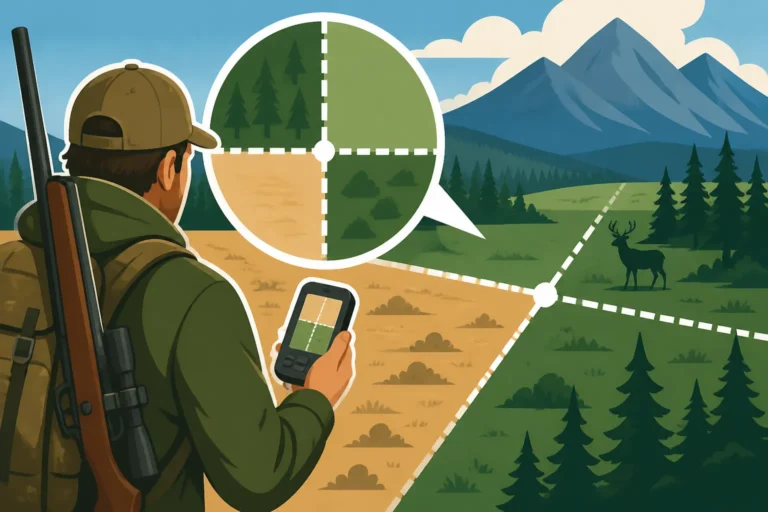
The vegetation is a mix of dense conifer forests on north-facing slopes and at higher elevations, transitioning to open ponderosa pine stands, grassy meadows, and sagebrush benches on the drier, south-facing aspects. This varied habitat is exactly what makes it so appealing to big game. However, it also means the walking can be incredibly diverse, from spongy forest duff to rocky scree slopes. Trails exist, but many are overgrown, steep, and demanding. Don't expect a leisurely stroll; this country is a workout from the moment you leave the trailhead. Being intimately familiar with the topography before you even set foot on the ground is key, which is where tools like onX Hunt can be invaluable for understanding the lay of the land and potential travel routes.
Wildlife and Habitat
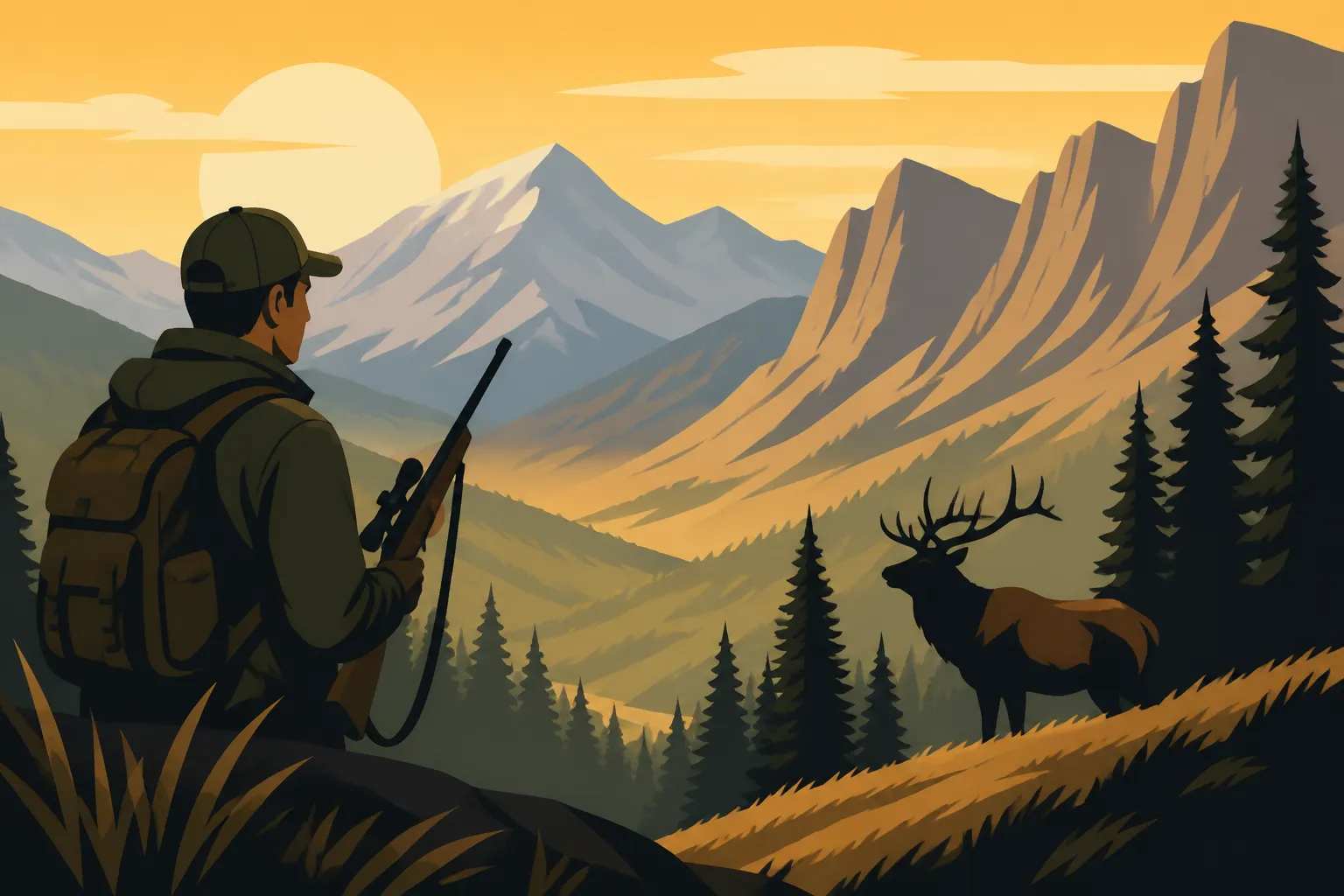
The Wenaha-Tucannon Wilderness is most renowned for its elk, specifically a robust population of Rocky Mountain elk that call the Blue Mountains home. This is prime habitat for them, with abundant forage in the meadows and clearings, and dense timber for security and bedding. If you’ve drawn a coveted permit here, you’re chasing some magnificent animals in truly wild conditions. Beyond elk, you’ll find healthy populations of mule deer, particularly on the more open, eastern-facing slopes and canyon rims, and some white-tailed deer in the lower, brushier areas, especially closer to agricultural interfaces outside the strict wilderness boundary.
Black bears are also common, often encountered in the dense timber or feeding on berries in the brushy draws. Cougars roam these canyons, constantly on the prowl for deer and elk, making it a truly wild ecosystem. This area's diverse plant life, from huckleberries to various grasses and browse species, provides a year-round pantry for its inhabitants. Understanding the seasonal movements and food preferences of these animals will greatly inform your hunting strategy. For instance, early season elk might be higher in elevation, seeking cooler temperatures and lush forage, while later in the season, snow could push them down into the canyons for thermal cover and easier access to food. The sheer size of this wilderness allows animals to truly act wild, reacting to pressure by retreating into its deepest, most inaccessible corners.
Seasonality and Weather Challenges
Hunting the Wenaha-Tucannon means contending with the full spectrum of mountain weather, often within a single day. Early archery seasons in September can bring warm, dry conditions, increasing fire danger and making water sources critical. As you move into October and November for rifle and muzzleloader seasons, the weather can turn dramatically. Rain is common, especially in the early fall, which can make trails slick and visibility poor. However, the real game-changer is snow.
Snow can arrive early and stick around, transforming the landscape and often dictating animal movement. While fresh snow can be a blessing for tracking, heavy dumps can quickly make roads impassable, strand vehicles, and create dangerous travel conditions within the wilderness. Winter range closures are a real factor here, so always check the current WDFW regulations for the specific GMU you’re hunting. Freezing temperatures are a given in late seasons, and rapid drops in temperature, coupled with wind, can lead to hypothermia if you’re not properly prepared. It’s a harsh but beautiful environment, and hunters must be ready for anything Mother Nature throws their way.
Accessing the Wilderness
Getting into the Wenaha-Tucannon is often as challenging as the hunt itself. This isn't a place where you can just drive up, park, and step into prime hunting grounds. You'll need a solid plan for vehicle access, trailhead selection, and understand the specific rules that apply to wilderness areas.
Primary Trailheads and Entry Points
The wilderness is accessible from several points, primarily along its northern and eastern edges within Washington. Key trailheads like the Panjab, Smoothing Iron, Tri-State, and Turkey Tail offer entry into different sections of the wilderness. Each trailhead typically serves a different drainage or ridge system, and your choice will largely depend on your target species, the specific area you've researched, and your fitness level. For example, the Panjab Trailhead is a popular entry for those looking to access the main Wenaha River drainage, but it involves a significant descent and subsequent climb back out.
It's crucial to scout these trailheads virtually beforehand using satellite imagery on tools like onX Hunt, and if possible, in person. Understand the parking situation, whether stock trailers can be accommodated, and the condition of the initial trail section. Some trailheads might be more heavily used by hikers or horseback riders, especially on weekends, so planning your entry during off-peak times can improve your experience. Remember, once you leave the trailhead, you are committed to a remote wilderness experience.
Navigating Road Access and Closures
Accessing the trailheads often involves navigating a network of forest service roads. Many of these roads can be rough, unpaved, and seasonally closed due to snow, mud, or fire activity. A high-clearance 4×4 vehicle is often a necessity, especially for late-season hunts. Always check the Umatilla National Forest website or call the local ranger district for current road conditions and closures before heading out. Getting stuck miles from pavement, deep in the mountains, is a common and dangerous scenario.
The Wenaha-Tucannon, like much of Blue Mountains Hunting in Southeast Washington, experiences significant snow accumulation, leading to winter road closures that can impact late-season access. Pay close attention to these dates and any associated gate closures. Late-Season Snow and Road Access can dictate if your hunt is even possible. Sometimes, what looks like a viable road on a map might be an impassable track in reality. This is where detailed, up-to-date maps on a GPS device or mapping app become absolutely essential. Don't rely solely on cell service, as it will be non-existent in much of this country.
Permitting and Regulations for Entry
While you don't typically need a special permit just to enter the Wenaha-Tucannon Wilderness for general recreation, specific hunting tags are required for deer and elk, often obtained through a special draw. The Wenaha-Tucannon is part of specific Game Management Units (GMUs) like the Wenaha (178), and sometimes areas overlapping into the Tucannon (172) or Lick Creek (175) units. Ensure you have the correct tag for the specific unit you intend to hunt. The Washington Game Management Units Explained article can offer more insights into how these units are structured.
Beyond hunting permits, remember that this is a designated wilderness area, meaning motorized vehicles and mechanized equipment (like mountain bikes) are strictly prohibited beyond the trailheads. This is a walk-in or horseback-only affair. Washington Wilderness Areas Open to Hunting means respecting these fundamental rules. You'll also need to be aware of any fire restrictions, especially during dry periods, as campfires may be limited or banned entirely. Always check with the local Umatilla National Forest office or WDFW for the most current regulations affecting your planned trip.
Hunting Strategies in the Wenaha-Tucannon
Hunting in the Wenaha-Tucannon Wilderness isn't just about showing up; it's about executing a well-thought-out strategy that accounts for the terrain, the game, and the unique wilderness environment. This isn't a place for casual day hunts; it demands a deeper commitment.
Elk Hunting Tactics Specific to the Area
Elk hunting in the Wenaha-Tucannon often revolves around finding their sanctuaries. These animals know how to use the steep, broken country to their advantage, disappearing into the dark timber of north-facing slopes or the bottoms of deep canyons when pressured. During the early archery season, focusing on water sources and north-facing timber pockets where elk seek refuge from the heat can be productive. Later in the season, especially with snow, elk will often congregate in south-facing timbered slopes or lower elevations in the canyons, where thermal cover and less snow make forage more accessible.
Aggressive calling can work, but sometimes a quiet, methodical still-hunt through thick timber, especially during midday, yields better results. Glassing is paramount here, even in what seems like dense timber. Find high points, use your optics, and patiently pick apart distant slopes and canyon bottoms for movement, or even just a tell-tale patch of elk hide. Remember, Elk Behavior in Deep Snow can significantly alter their patterns, often concentrating them in more predictable areas, but also making access much harder for you. Be prepared to hike far and climb often, as the biggest bulls often hold out in the nastiest country.
Deer Hunting Opportunities (Mule Deer and Whitetail)
While elk often steal the spotlight, the Wenaha-Tucannon offers excellent deer hunting too. Mule deer prefer the more open, drier ridges, canyon rims, and south-facing slopes, particularly where there are scattered ponderosa pines and sagebrush. They often use these areas to feed and sun themselves, especially in cooler weather. Spot-and-stalk is a highly effective tactic for mule deer here. Get high, glass thoroughly, and then plan your approach. The broken topography provides plenty of opportunities to use terrain features for cover during a stalk.
White-tailed deer are typically found in the lower, brushier creek bottoms and denser timbered areas, especially closer to the wilderness boundaries where agricultural land might be nearby. They are masters of cover and often require a slower, more deliberate still-hunting approach. Tracking a Buck After a Fresh Snow can be incredibly effective for both species, but especially for whitetails who will often leave distinct trails in the white stuff. Focus on pinch points, saddles between ridges, and areas with good escape cover. Don't underestimate the size of the bucks this wilderness can produce; they grow old here because they are hard to find.
Backcountry Hunting Logistics
A successful Wenaha-Tucannon hunt is almost always a multi-day backcountry affair. You simply cannot effectively cover enough ground and find undisturbed animals with day trips from a vehicle. This means planning for a spike camp or even a base camp deeper in the wilderness. Consider a system that allows you to be self-sufficient for 3-7 days, carrying everything you need on your back or with stock. Water sources are critical; know where perennial creeks or springs are located and carry a reliable filter or purification tablets.
If you are lucky enough to harvest an animal, especially an elk, the real work begins. You'll be Packing an Elk Out of Washington's Backcountry through steep, unforgiving terrain, often many miles from the trailhead. Knowing how to efficiently field dress and quarter an animal, perhaps even using The Gutless Method on an Elk, is non-negotiable. Having a solid frame pack and high-quality game bags is essential. Often, getting all the meat out will require multiple trips or assistance from hunting partners, so planning for this before the shot is fired is vital.
| Hunting Strategy Component | Elk (Rocky Mountain) | Mule Deer | White-tailed Deer |
|---|---|---|---|
| Preferred Habitat | Steep, dark timber (north slopes), deep canyon bottoms, high elevation meadows. | Open, drier ridges, south-facing slopes, scattered ponderosa pine, canyon rims. | Lower, brushy creek bottoms, dense timber, areas near agriculture (outside strict wilderness). |
| Best Tactics | Still-hunting, aggressive calling (early season), patient glassing from high points. | Spot-and-stalk from vantage points, covering ground to locate groups. | Slow still-hunting, tracking in snow, focusing on dense cover. |
| Key Considerations | Locate thermal cover and food sources. Be ready for extreme elevation changes. Pressure moves them. | Use terrain for stalks. Locate historical bedding and feeding areas on sunnier slopes. | Utilize thickets and natural funnels. Be patient, they often hold tight. |
| Seasonal Movement | Higher in early season; push to lower, sheltered areas with snow. | Can be found high and low depending on forage and pressure; migration to winter ranges. | Often more localized, but heavy snow can concentrate them. |
Essential Gear and Preparation
The Wenaha-Tucannon Wilderness isn't a place to cut corners on gear. The ruggedness of the terrain and the volatility of the weather demand reliable, high-quality equipment. Your preparation before the hunt is just as important as your actions in the field.
Recommended Footwear and Layering
Your feet are your most important tool in this country, so investing in high-quality, waterproof, and well-fitting boots is paramount. Look for boots with excellent ankle support, a stiff sole for side-hilling on steep terrain, and robust waterproofing for creek crossings and wet conditions. Breaking them in well before your hunt is non-negotiable to avoid debilitating blisters. Pairing them with good quality wool or synthetic socks will help manage moisture and prevent hot spots. Read up on Boots for Washington's Eastside Rock and Westside Mud for more specific recommendations.
Layering is equally crucial for adapting to the dynamic mountain weather. Start with a moisture-wicking base layer (merino wool or synthetic) to pull sweat away from your skin. Add an insulating mid-layer (fleece or puffy jacket) for warmth, and top it off with a bombproof waterproof and windproof outer shell. This system allows you to add or shed layers as conditions change, preventing you from getting too hot and sweaty on climbs or too cold during glassing sessions or unexpected rain/snow showers. Don't forget durable rain gear – cheap stuff will fail here.
Navigation and Communication Tools
Reliable navigation is not just an advantage; it’s a matter of survival in the Wenaha-Tucannon. Cell service is practically non-existent once you leave the main roads, so don't count on your phone alone. A dedicated GPS unit or a robust GPS app on your smartphone with downloaded offline maps (like onX Hunt or GoHunt) is essential. Make sure you know how to use it proficiently before your hunt, including marking waypoints, routes, and understanding land ownership boundaries. Always carry a physical map and a compass as a backup, and know how to use them, even if you prefer digital tools.
For communication, especially if hunting solo or with a partner, consider two-way radios for short-range communication, and a satellite messenger or personal locator beacon (PLB) for emergencies. Devices like those from Garmin InReach or Spot can send text messages via satellite and, more importantly, trigger an SOS signal if you find yourself in serious trouble. Satellite Messengers for Solo Washington Hunts are a wise investment for peace of mind in such remote areas.
Meat Care and Pack-Out Considerations
Harvesting an animal deep in the wilderness means you're faced with the immense task of getting that meat back to civilization. Proper meat care starts immediately after the animal is down. In Washington, especially during warmer early seasons, rapid cooling of the carcass is vital to prevent spoilage. Game bags are indispensable; they protect the meat from flies and dirt while allowing it to breathe and cool. Carry at least four large, breathable game bags for an elk, more if you plan to bone out the meat. Game Bags for Warm-Weather Hunts are key.
For the pack-out, a sturdy external frame pack designed for heavy loads is highly recommended. Internal frame packs can work, but for a full elk quarter, the weight distribution and sheer bulk are often better managed by an external frame. Practice hiking with heavy loads before your hunt to build strength and endurance. If hunting with a partner, strategize how you’ll split the load. Remember, this is arduous work, and often takes multiple trips or an entire day (or two) to get all the meat off the mountain. Consider the distance back to your vehicle and the time of day if you make a kill; Packing Meat Out After Dark is possible but adds significant challenges and safety risks.
Ethical Hunting and Wilderness Etiquette
Hunting in a wilderness area carries a unique responsibility. It’s not just about adhering to regulations, but embracing a code of conduct that respects the land, the wildlife, and other users. The Wenaha-Tucannon is a wild place, and we aim to keep it that way.
Leave No Trace Principles
The foundational principle of ethical wilderness use is "Leave No Trace." This means planning ahead and preparing, traveling and camping on durable surfaces, disposing of waste properly, leaving what you find, minimizing campfire impacts, respecting wildlife, and being considerate of other visitors. For hunters, this specifically means packing out all trash, including spent cartridge casings, tape from first aid, and food wrappers. Don't leave gut piles in or near high-use areas like trails or water sources, if possible.
It also means minimizing your impact on trails, especially in wet conditions where new bypass trails can quickly form. If you're using stock, ensure they are fed weed-free forage to prevent the introduction of invasive species. Your goal should be that no one can tell you were there after you leave, preserving the pristine nature of the Wenaha-Tucannon for generations to come.
Respecting Other Users and Wildlife
The Wenaha-Tucannon Wilderness is shared by hikers, backpackers, horseback riders, and other outdoor enthusiasts. While your primary goal is hunting, remember that you are not the sole user of the land. Be courteous and respectful to everyone you encounter. If you see hikers, it’s good practice to make your presence known clearly and friendly. Avoid displaying harvested animals prominently near popular trails or trailheads, as this can be unsettling for non-hunters.
Respecting wildlife means more than just legal harvest. It involves ethical shot placement to minimize suffering, avoiding chasing or hazing animals unnecessarily, and understanding the role of predators in the ecosystem. Give wildlife space, particularly during sensitive times like calving seasons (though outside hunting season). Your actions reflect on the entire hunting community, so represent it well.
Emergency Preparedness
In such a remote and rugged environment, being prepared for emergencies is not an option, it's a requirement. Beyond reliable navigation and communication devices, carry a comprehensive first-aid kit that includes supplies for major trauma, blisters, and common wilderness ailments. Know how to use everything in your kit. Inform someone trustworthy about your detailed trip plan, including your exact entry and exit points, intended route, and expected return date. Leaving a Trip Plan at Home is a critical safety measure.
Be aware of changing weather conditions and know when to hunker down or turn back. Recognize the symptoms of hypothermia and heat exhaustion, and know how to treat them. Carry extra layers, fire-starting materials, and sufficient food and water. This is truly a place where you are responsible for your own safety and well-being. Don't take unnecessary risks, and know your limits, especially when packing out a heavy load or navigating challenging terrain.
Drawing the Wenaha-Tucannon Permit
Hunting the Wenaha-Tucannon Wilderness for elk usually means securing a special permit, a testament to the quality of the hunting experience it offers. Understanding this process is crucial for anyone dreaming of a hunt here.
Special Hunt Permit Overview
The Wenaha-Tucannon area, particularly for elk, is primarily managed through Washington's special hunt permit system. This isn't an over-the-counter general season opportunity for elk. You'll need to apply for a specific permit for the Wenaha GMU (178), or possibly other surrounding units that include parts of the wilderness, during the annual application period. This competitive draw system helps manage elk populations and provides a high-quality hunting experience by limiting hunter numbers.
When applying, you'll specify your weapon choice (archery, muzzleloader, or modern firearm) and the specific hunt code. Ensure you've thoroughly researched the season dates and regulations for your chosen weapon and unit. The Washington Special Hunt Permits and How to Apply guide offers a detailed breakdown of the application process, from understanding hunt choices to submitting your application through the WDFW WILD system.
Understanding Draw Odds
Let's be realistic: drawing a Wenaha-Tucannon elk permit is tough. It's a coveted area, and many hunters apply each year. Washington uses a random draw system, not a preference point system, meaning every applicant has an equal chance each year, regardless of how many times they've applied in the past. This means you could draw it on your first try, or it could take many years of applying.
Because of the low draw odds, many hunters apply for multiple species or units as part of their four hunt choices allowed in the application. While it can be frustrating, persistence is key. Think of applying as buying a lottery ticket each year for a chance at an incredible experience. GoHunt offers good resources for looking at draw odds history, which can help you decide where to focus your limited choices. Even though the odds can be long, someone always draws that tag, so make sure you put your name in the hat!
Multi-Season Tag Considerations
While the primary elk permits for the Wenaha-Tucannon are special draw, you might also be considering a Washington Multi-Season Deer and Elk Tags. These tags offer the flexibility to hunt during archery, muzzleloader, and modern firearm general seasons for deer and elk, typically outside of special permit areas or for spike elk only in specific general units.
However, it's important to understand that a multi-season tag usually doesn't grant you access to special permit-only hunts like those in the Wenaha-Tucannon for branch-antlered bulls. The multi-season tag is for general season opportunities. So, if your heart is set on a Wenaha-Tucannon branch antler hunt, you'll still need to apply for and draw that specific special permit. Always double-check the current WDFW regulations pamphlet to understand which tags are valid in which units and seasons.
Disclaimer
This article is for general informational purposes only and does not constitute professional advice. Laws, prices and regulations vary by location and change over time. Consult a qualified professional for guidance on your specific situation.