Coweeman Unit Timber Roads
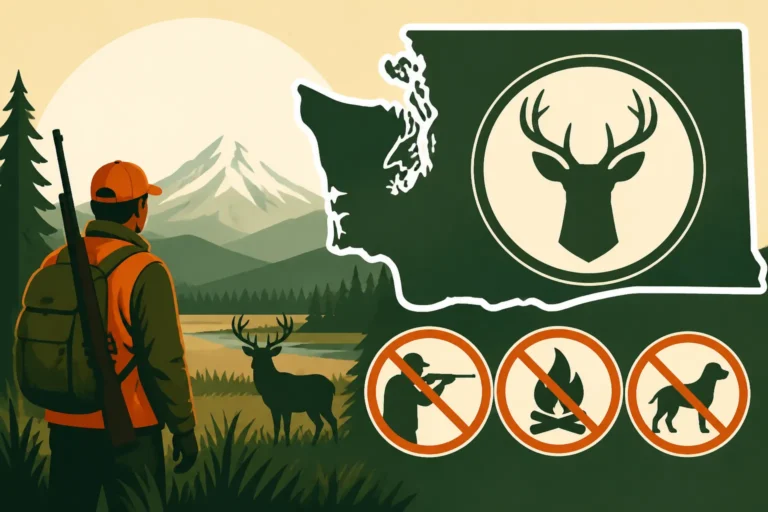
Trying to hunt the Coweeman Unit in Washington can feel like navigating a maze blindfolded, especially when it comes to those timber roads. Between private gates, varying access rules, and the sheer density of logging roads, it's a huge headache just figuring out where you can even drive, let alone hunt. This guide is here to untangle that knot, helping you understand how to effectively access and utilize the extensive timber road network in the Coweeman for your next hunting adventure.
Understanding the Coweeman Unit's Landscape for Hunters
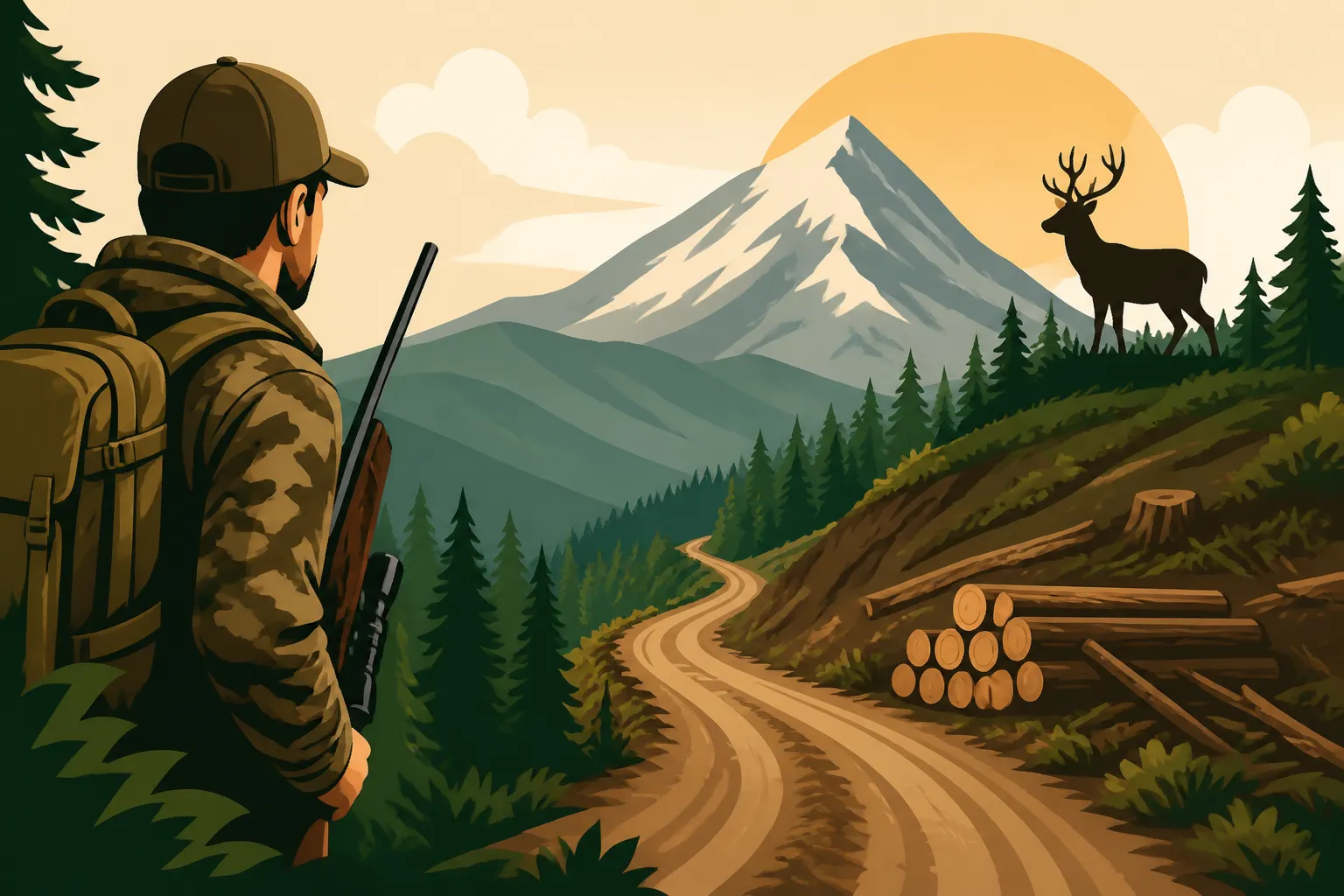
The Coweeman Unit, nestled in the southwestern corner of Washington, is a classic example of coastal hunting country. It's not the expansive sagebrush and open canyons of Eastern Washington; instead, imagine a patchwork of steep hills, dense timber, and countless clearcuts in various stages of regeneration. This is prime habitat, but also a major challenge for hunters trying to gain access and cover ground.
Location and Terrain Specifics
The Coweeman Unit (GMU 506) is situated primarily in Cowlitz and Wahkiakum counties, bordering the Columbia River to the south. It's characterized by rugged, broken terrain, featuring deep draws, thick stands of Douglas fir, hemlock, and cedar, interspersed with active and recently harvested logging units. Elevations can range from near sea level up to several thousand feet, creating a diverse environment for game. You'll find yourself climbing steep slopes one minute and picking your way through dense, young reprod the next. This isn't easy country to traverse, especially when you factor in the persistent drizzle and mist typical of Western Washington. The moisture keeps the vegetation lush, but it also means slick footing and limited visibility at times. This unit is home to a significant portion of the Willapa Hills Elk Herd, and understanding its topography is crucial for successful hunting.
Primary Game Species and Their Habitat Use
When you think Coweeman, you should immediately think Roosevelt elk and Columbian blacktail deer. These are the dominant big game species, and their lives are intricately linked to the timbered landscape. Roosevelt elk, known for their impressive size and ability to navigate dense cover, thrive in the mix of mature timber and new growth. They use the thick forests for security and thermal cover, bedding down in areas that are nearly impenetrable to humans. The clearcuts, particularly those a few years old with succulent new vegetation, provide critical forage. Timber roads, even closed ones, often act as travel corridors for these animals, allowing them to move between feeding and bedding areas with relative ease. If you're hunting specifically for Roosevelt Elk of Western Washington, the Coweeman is a quintessential location.
Blacktail deer are also abundant, masters of camouflage and stealth in the dense undergrowth. They favor similar habitat to elk, utilizing the transition zones between different ages of timber. You'll often find them browsing on the edges of clearcuts or tucked away in dense pockets of reprod that offer excellent cover. Understanding how these animals use the timber mosaic – the old growth for bedding, the clearcuts for feeding, and the dense young trees for escape cover – is key to developing an effective hunting strategy. Remember that Roosevelt Bulls and Why They Bugle Less than their Rocky Mountain cousins, so adapt your calling strategy accordingly.
Dominant Land Ownership Patterns
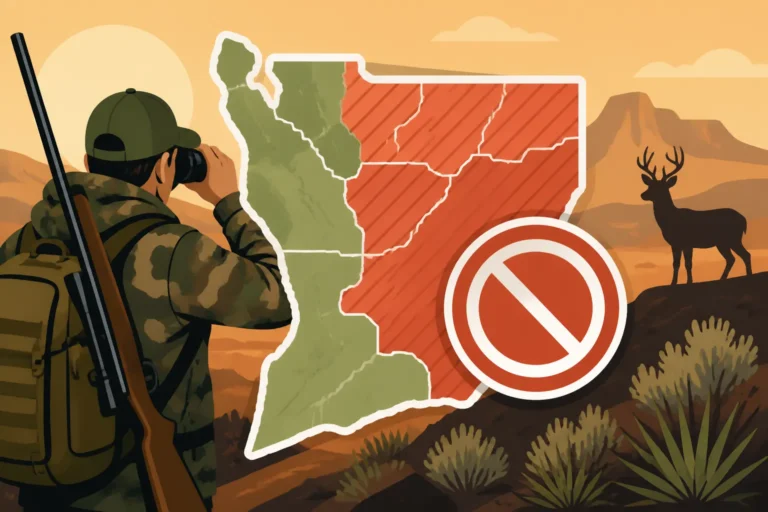
This is where the rubber meets the road, quite literally. The vast majority of huntable land in the Coweeman Unit is privately owned by large timber companies. While there are some scattered parcels of state-managed lands (DNR) and a minimal amount of federal land, private industrial timber reigns supreme. These companies actively manage their forests for timber production, which means constant logging activity, changing road networks, and varying access policies. It's a dynamic landscape, and what was open last year might be gated this year, or vice versa. This patchwork of private ownership creates the primary challenge for hunters: how do you get where you want to go without trespassing? This complex ownership pattern is why careful planning and up-to-date information are not just helpful, but absolutely essential.
Navigating Private Timber Land and Road Access Challenges
The dream of simply driving up a logging road, parking, and heading into prime elk country is often just that – a dream – in the Coweeman Unit. The reality of private timber ownership means a more complex, and sometimes frustrating, access system.
The Reality of Timber Company Ownership
Most of the timberland in the Coweeman Unit is owned by private corporations, whose primary objective is sustainable timber harvest. While some companies have historically offered recreational access as a courtesy, the trend has increasingly shifted towards managed access, which often means paid permits or specific seasonal closures. These companies invest heavily in maintaining their road networks and managing their timber resources, and they need to protect their assets, ensure safety during logging operations, and control liability. This means gates, signs, and often, a strict permit system. It's not personal; it's business. As hunters, we need to respect this reality and adapt our approach. Trying to sneak onto closed land not only risks fines and losing your hunting privileges, but it also jeopardizes future access for everyone.
Permit Systems and Locked Gates
Access to private timber company lands often comes in several forms, each with its own set of rules and costs. Some companies, like those that historically owned large tracts in Western Washington, operate robust permit systems. These might involve:
- Paid Permits: Many timber companies offer season-long or limited-entry permits for a fee. These can range from general access to specific parcels, or even specific hunting opportunities. The availability can be competitive, and the cost can vary widely. It's crucial to check with individual timber companies well in advance of the season. For instance, you might want to investigate when Weyerhaeuser Permit Draw Timing in Washington typically occurs, or look into Hancock Permit Availability in Washington if those companies operate in your target area.
- Limited Free Draws: Occasionally, some companies might offer a limited number of free permits through a lottery system for specific areas or seasons. These are highly sought after and require diligent attention to application deadlines.
- Walk-in Only Access: Even if vehicular access is restricted by a locked gate, some companies permit walk-in access for recreation. This means parking legally outside the gate and heading in on foot. This often opens up vast stretches of otherwise inaccessible country to those willing to put in the legwork.
Locked gates are a constant feature of Coweeman timber roads. They serve multiple purposes: preventing theft, controlling unauthorized access, and ensuring safety during active logging. Seeing a locked gate at the start of a promising road can be disheartening, but it doesn't always mean the area is entirely off-limits. It just means your vehicle isn't going any further, and it's time to lace up your boots.
WDFW Cooperative Access Programs
Fortunately, the Washington Department of Fish and Wildlife (WDFW) has worked to forge cooperative agreements with some private landowners, including timber companies, to secure public hunting access. These programs are invaluable for hunters trying to navigate the complexities of private land.
- Feel Free to Hunt Properties: These are areas where WDFW has agreements with landowners to allow public access without special permission, usually for walk-in hunting. Signs will be clearly posted indicating "Feel Free to Hunt." These are fantastic opportunities, but you must still follow any specific rules posted for that property. You can learn more about Feel Free to Hunt Properties Explained through the WDFW website.
- Register to Hunt Properties: Similar to "Feel Free to Hunt," but often requires you to register online or at a designated kiosk before entering. This helps the landowner manage use and monitor activity. These are often time-sensitive or have specific rules for the number of hunters allowed at one time. Register to Hunt Properties Explained are another great resource to explore.
- Hunt by Written Permission Lands: On some private lands, WDFW might have an agreement where hunting is allowed, but you still need to obtain a written permission slip directly from the landowner (or their designated agent). This is less common on large timber tracts but does exist in some mixed-ownership areas.
Always check the current WDFW Hunting and Fishing Regulations pamphlet and their online Land Access webpage for the most up-to-date information on these cooperative programs. These agreements can change year to year, so don't rely on last season's intel.
| Access Type | Description | Key Considerations | Best Way to Check Access |
|---|---|---|---|
| Private Permit (Paid) | Access granted via purchase of a permit directly from a timber company. | Costs, limited availability, specific dates/areas, often competitive. | Individual timber company websites (e.g., Weyerhaeuser, Hancock), onX Hunt. |
| Private Permit (Draw/Free) | Access granted via a lottery system or limited free permits from a timber company. | Highly competitive, strict application deadlines, specific dates/areas. | Individual timber company websites, GoHunt. |
| WDFW Feel Free to Hunt | Private lands with WDFW agreements for public walk-in access, no permit needed. | Usually walk-in only, clearly marked by WDFW signs. | WDFW's Land Access page, onX Hunt, GoHunt. |
| WDFW Register to Hunt | Private lands with WDFW agreements for public access, requiring online or kiosk registration. | Limited hunter numbers, specific rules for each property, can be time-sensitive. | WDFW's Land Access page, GoHunt. |
| WDFW Written Permission | Private lands where WDFW facilitates access, but a written permission slip from the landowner is still needed. | Less common on large timber tracts, contact details for landowner usually provided. | WDFW's Land Access page. |
| Green Dot Roads | Publicly accessible roads, usually on WDFW or Forest Service land, sometimes extending into private timber. | Seasonal closures, vehicle type restrictions, often shared access. | WDFW Green Dot Maps, onX Hunt, GoHunt. |
Strategies for Effective Road Access and Scouting
Successfully hunting the Coweeman Unit's timber roads requires more than just showing up. It demands a strategic approach, utilizing modern tools and a willingness to put in the effort on the ground.
Leveraging Digital Mapping Tools
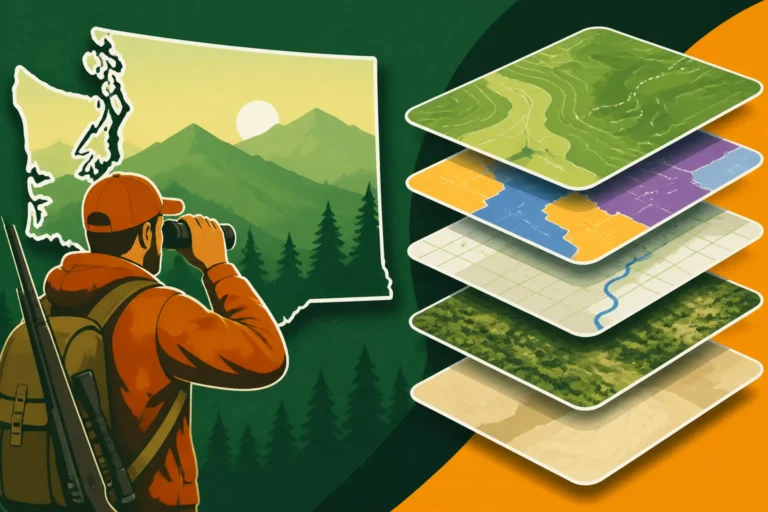
In today's hunting world, digital mapping applications are your best friend, especially in complex units like the Coweeman. They don't just show you where you are; they empower you to understand land ownership, road status, and even historical habitat changes.
- Land Ownership Layers: This is the absolute MVP feature. Applications like onX Hunt or GoHunt allow you to clearly see public lands (National Forest, DNR, WDFW Wildlife Areas) versus private timber holdings. This is critical for staying legal and avoiding trespass. You can immediately identify which roads are on private ground and require permits, versus those on public land.
- Roads and Trails: These apps display extensive road networks, often indicating whether they are open, closed, or part of a Green Dot system. This saves you countless hours of driving up a road only to find a locked gate. While not always 100% current for constantly changing timber company roads, they provide an excellent starting point.
- Satellite Imagery: High-resolution satellite imagery, particularly the historical views offered by some apps, lets you virtually scout clearcuts, timber density, and potential bedding areas from your couch. You can often see the age class of different timber stands, which directly correlates to forage and cover for elk and deer.
- Offline Maps: Crucially, these apps allow you to download maps for your specific GMU before you leave home. Cell service is notoriously spotty or non-existent in much of the Coweeman. Having your maps downloaded means you won't be lost and guessing when your phone signal inevitably dies. I've had many frustrating moments when I forgot to download my maps and then realized how reliant I was on them. Don't make that mistake! This pre-season preparation is a crucial part of E-Scouting Washington GMUs Before the Draw.
Understanding Green Dot and Road Management Systems
Washington's Green Dot Road Management system is a cooperative program involving WDFW, the Forest Service, and some private landowners. It's designed to manage vehicular access to reduce road density, protect critical wildlife habitat (especially winter range), and enhance walk-in hunting opportunities.
- What it Means: Green Dot roads are generally open to vehicles, but often with specific seasonal restrictions (e.g., closed during winter or during specific hunting seasons). Roads marked with a different color (like yellow or blue) or unmarked are typically closed to vehicles. Washington Green Dot Road Systems are clearly delineated on WDFW maps and increasingly, on digital apps.
- Using Green Dot Maps: WDFW publishes detailed Green Dot maps for specific areas. You should always have the most current version. These maps are your key to knowing where you can drive, where you must park and walk, and where access is entirely prohibited.
- Timber Company Specifics: Beyond Green Dot, private timber companies often have their own internal road classification and signage. Sometimes "open" roads might only be open during specific hours or days due to logging operations. Always pay attention to all posted signs, even if your map says otherwise. When you encounter Walk-In Only Gates on Industrial Timber, know that your hunt is just beginning, not ending.
Physical Scouting and Adaptability
While digital tools are invaluable, there's no substitute for boots-on-the-ground scouting. The Coweeman is a dynamic environment, and you need to see it with your own eyes.
- Pre-Season Recon: Drive the open timber roads well before the season. Look for fresh tracks, scat, and rubs. Note potential bedding areas and feeding zones in clearcuts. Find bottlenecks where elk might cross roads or funnel into thick timber. This is where you connect the dots from your onX Hunt aerial photos to the actual landscape. For example, Public Land Scouting in Washington Before Opening Day involves more than just driving; it's about interpreting the ground.
- Focus on the Edges: Timber roads, even closed ones, create linear breaks in the dense forest. Elk and deer often use these edges for travel, browsing, and as avenues of escape. Pay attention to the parallel trails just inside the timber line along these roads.
- Adapt to Changes: Timber operations are constant. What was a fresh clearcut last year might be shoulder-high reprod this year. A road that was open during scouting might be gated for the season. Be prepared to adapt your plans on the fly. This might mean extending your hike, finding an alternative access point, or shifting your hunting pressure to a different part of the unit. The ability to pivot is a hallmark of a successful Western Washington hunter.
- Walk the Closed Roads: Many of the best hunting opportunities in the Coweeman lie beyond locked gates. Embrace the hike! Closed roads offer relatively easy walking for covering ground and can lead to untouched pockets of timber or secluded clearcuts that receive less pressure. These are often the most productive areas. Prepare for Roads Closed to Motor Vehicles in a Washington Unit by having a good pack and sturdy boots.
Key Regulations and Best Practices for Coweeman Timber Roads
Hunting on timber company lands, whether through a permit or a WDFW cooperative program, comes with responsibilities. Adhering to regulations and best practices is crucial for both personal success and maintaining future access for all hunters.
Permit Compliance and Respecting Boundaries
If you've managed to secure a permit for private timberland, congratulations! Now, make sure you understand every single stipulation that comes with it. These permits aren't just a golden ticket; they're a contract.
- Read the Fine Print: Pay close attention to the permitted dates, specific boundaries, vehicle restrictions, and any limitations on activities like camping or target shooting. Violating these terms can result in fines, permit revocation, and even a ban from future access.
- Know Your Boundaries: Even with a permit, it's easy to inadvertently stray onto adjacent private property that's not part of the agreement. Use your mapping app with property boundaries (like those provided by onX Hunt) religiously. A few yards can make the difference between a legal hunt and a trespass citation.
- Be a Good Steward: Treat the land as if it were your own. Pack out all your trash, avoid damaging gates or signs, and leave no trace of your presence beyond footsteps. Respect the property and the landowner, and you help foster a positive relationship that benefits all hunters.
Vehicle Restrictions and Foot Travel Necessities
The Coweeman Unit, with its extensive timber roads, often has stringent vehicle restrictions, even on roads that might appear open.
- Green Dot Rules: As discussed, Green Dot roads have specific rules for vehicle access. Always consult the current Green Dot maps to ensure you're compliant. Driving on a closed Green Dot road can lead to a ticket.
- Timber Company Specifics: Private timber companies often have their own rules regarding vehicles. Some permit holders might have access to certain gated roads, while general access might be restricted to certain vehicle types (e.g., no ATVs or side-by-sides). Always verify this with the permit provider.
- Embrace the Hike: The reality is that much of the Coweeman's best hunting is deep behind locked gates. Invest in quality boots and a comfortable pack, because you'll be doing a lot of walking. Consider the miles you'll put on your feet as part of the hunt. This also means being prepared to pack out an animal from a significant distance, which brings us to Quartering and Packing an Elk Solo as a vital skill.
Environmental Responsibility and Fire Safety
Hunting in Washington's timber country carries with it a significant responsibility to protect the environment and prevent wildfires.
- Fire Restrictions: During dry periods, especially in late summer and early fall, fire danger in Washington timberlands can be extreme. This often leads to strict fire restrictions, including bans on campfires, chainsaws, and even internal combustion engines off established roads. Always check local fire danger ratings and restrictions before you head out. A single spark can devastate thousands of acres and close an entire hunting season. You can check Fire Restrictions During Dry Hunting Seasons before you leave.
- Leave No Trace: Practice "Leave No Trace" principles. Pack out everything you pack in, including spent shell casings, food wrappers, and any garbage you might find left by others.
- Respect Wildlife: Give wildlife ample space and avoid disturbing non-target species. Report any illegal activity or poaching you witness to WDFW. We're privileged to hunt these areas, and it's our duty to act as responsible conservationists.
By understanding the unique challenges and opportunities presented by the Coweeman Unit's timber roads, and by approaching your hunt with a blend of strategic planning, modern tools like GoHunt's mapping features, and a commitment to ethical conduct, you can unlock some truly incredible hunting experiences in this rugged Western Washington gem.
Disclaimer
This article is for general informational purposes only and does not constitute professional advice. Laws, prices and regulations vary by location and change over time. Consult a qualified professional for guidance on your specific situation.