Boot Insulation for Washington Late Seasons
There's nothing quite like the feeling of cold, damp feet to absolutely kill a late-season hunt here in Washington. When your toes start to go numb, your focus shifts from the ridge line to the burning ache in your extremities, and suddenly, the desire to stay out there just vanishes. This guide is all about helping you understand boot insulation, so you can keep your feet warm, stay in the field longer, and actually enjoy those crisp, late-season days in our incredible hunting grounds.
The Chilling Reality of Washington's Late Seasons
Washington’s late hunting seasons are a beautiful but brutal affair. Whether you’re chasing Blacktail Deer Hunting in Western Washington Timber or trying to get on a bull during Late-Season Hunting in Washington Snow, the weather is often the biggest challenge. Understanding why good boot insulation is non-negotiable comes down to our specific climate.
The Wet, Cold Grind of Western Washington
On the west side of the Cascades, late season often means a relentless cycle of rain, sleet, and sometimes even heavy, wet snow. The ground is saturated, the brush is soaked, and every step can feel like squelching through a cold sponge. Even if the air temperature isn't brutally low, the constant moisture wicks heat away from your feet at an alarming rate. It’s a different kind of cold than the east side, a penetrating dampness that can turn your toes into ice cubes faster than you'd think. This isn't just about comfort; it's about avoiding issues like trench foot or severe frostbite when you're miles into the backcountry.
The Dry, Bitter Cold of Eastern Washington
Cross over the Cascades, and the late season presents a whole new set of challenges. While it might be drier, the temperatures can plunge significantly, often dipping well below freezing. Wind chill on an exposed ridge can make a 20-degree day feel like zero. When you're Glassing Eastern Washington Breaks for Mule Deer for hours, or sitting still on a Calling Cougars Without Dogs in Washington stand, your activity level is low, and your feet aren't generating much warmth on their own. The cold here is often a sharp, biting cold that seeps right through inadequate footwear, especially when you're dealing with snow and frozen ground. Even planning your hunts requires a careful look at the weather, and resources like GoHunt often include historical weather data that can inform your gear choices.
The Impact on Performance and Safety
Beyond the sheer discomfort, cold feet are a major safety concern and a huge impediment to successful hunting. When your feet are freezing, your concentration drops, your movements become less precise, and your overall stamina diminishes. You start rushing, making more noise, and your ability to sit patiently or stalk quietly is severely compromised. In extreme conditions, cold feet can lead to frostbite, which is a serious medical emergency that can result in permanent tissue damage or even amputation. Properly insulated boots, combined with a good Layering for Wet Cold Weather strategy, are your first line of defense against these dangers, keeping you safe and effective in the field.
Understanding Boot Insulation Ratings
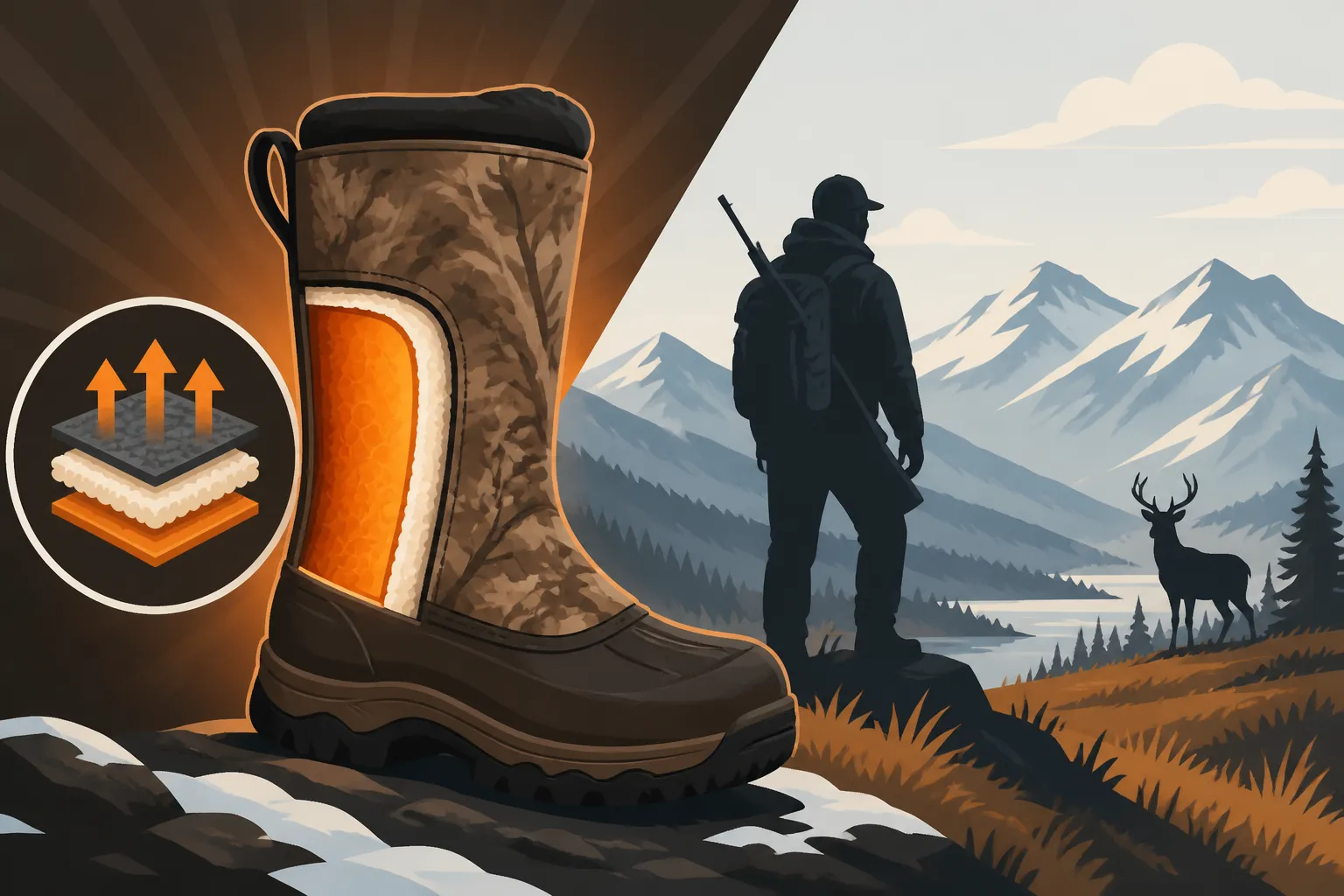
Boot insulation is typically measured in grams, and this number refers to the weight of the insulation material per square meter. The higher the gram weight, the warmer the boot is designed to be. It's a straightforward concept, but choosing the right gram weight for Washington's diverse late-season hunting scenarios can be a bit nuanced.
What the Grams Mean
Let's break down what those numbers really mean for your feet in the field:
- 200-400 Grams: This is considered light to moderate insulation. Boots in this range are excellent for active hunting in chilly, but not frigid, conditions. Think early November deer hunts in the low country or active hiking in light snow. Your feet will generate a good amount of heat while you're moving, and this level of insulation helps retain it without causing overheating. It’s a versatile choice for many general season conditions where temperatures might hover around freezing but you're constantly on the go.
- 600-800 Grams: This is a good mid-range for colder conditions. If you expect sustained temperatures below freezing, moderate snow, or plan on periods of sitting still, boots with 600-800 grams of insulation start to shine. Many late-season elk hunters chasing Elk Behavior in Deep Snow will find this range to be a sweet spot, providing warmth during periods of inactivity but not being excessively bulky or hot during more strenuous climbs. This is often the go-to for many hunters venturing into higher elevations or during colder stretches of December.
- 1000-1200+ Grams: This is heavy-duty insulation, designed for extreme cold and prolonged periods of inactivity. If you're planning a late-season sit in a ground blind for deer in single-digit temperatures, or expecting deep, persistent snow and bitter wind chills, this is your category. These boots are generally bulkier and heavier, which can be a drawback for long, strenuous hikes, but for standing around or slow, deliberate movements in truly harsh conditions, they are invaluable. When researching specific units for these conditions, checking historical weather patterns on platforms like GoHunt can provide crucial insights into how much insulation you'll realistically need.
Matching Grams to Your Activity Level
The critical factor often overlooked is your activity level. A boot that keeps you warm while sitting on a stand in 20-degree weather will likely make your feet sweat profusely if you're Packing an Elk Out of Washington's Backcountry in the same temperature. Sweaty feet lead to cold feet, even with insulation, because moisture wicks heat away.
- High Activity (Stalking, Still-Hunting, Packing): If you're constantly on the move, generating a lot of body heat, you'll need less insulation. Over-insulating for high activity means sweaty feet, which paradoxically can lead to colder feet once you stop moving. For these scenarios, focusing on waterproofing and a good sock system might be more important than maximum insulation.
- Low Activity (Sitting, Glassing, Stand Hunting): When you're stationary, your body isn't generating much heat, so your boots need to do more work. This is where higher gram ratings are essential. Think about those long hours Glassing Sage and Wheat Edges for Washington Mule Deer in eastern Washington—you're barely moving, so your boots need to be workhorses to keep the cold at bay. Tools like the hunting planner on GoHunt can help you assess the likely terrain and activity level for your chosen unit.
Choosing the Right Insulation for Different Late Season Scenarios
Washington's diverse geography means there isn't a single "best" insulated boot. Your ideal choice will depend heavily on where you're hunting, what you're hunting, and how you plan to hunt. Tailoring your insulation choice to your specific hunt scenario is key to comfort and success.
Mild Late Season: Chilly and Damp (200-400g)
For those late-season hunts where the temperatures might dip to the low 30s or high 20s, but you're staying active, 200-400 grams of insulation is often just right. This is typical for many general season deer hunts in November on the west side, or even active elk hunting in moderate terrain where heavy snow isn't yet a factor.
Imagine a hunt in the Willapa Hills in mid-November. The air is crisp, maybe 35 degrees, and a persistent drizzle keeps everything damp. You're Still-Hunting Blacktails in Wet Washington Brush, covering ground slowly but steadily. A 400-gram insulated boot with excellent waterproofing, like a quality Gore-Tex or similar membrane, will keep your feet warm without overheating. The insulation holds in the heat you're generating, and the waterproofing keeps the external dampness from chilling you. Pairing these with good merino wool socks, perhaps a medium weight, will ensure maximum comfort.
Cold, Active Hunts: Moderate Snow and Freezing Temps (600-800g)
When the mercury consistently drops into the 20s or teens, and there's a good chance of moderate snow, you'll want to step up to 600-800 grams of insulation. This range is popular for late-season rifle elk hunts in areas like the Colockum or Blue Mountains, where you might be Hunting Migration Timing in November and covering significant ground, but also pausing to glass or track.
Consider a late November elk hunt near the Naneum Unit. You're climbing steep slopes, breaking through a few inches of fresh snow, and stopping frequently to glass timbered draws. A 600-gram boot provides enough warmth for those stops without becoming a sauna on the climbs. The additional insulation is a buffer against the frozen ground and colder ambient temperatures. Here, paying attention to the boot's stiffness for Boots for Steep Eastside Country is also crucial, as better support can reduce foot fatigue over long days. Many serious backcountry hunters rely on this insulation level as their primary late-season choice for its balance of warmth and mobility.
Bitter Cold or Stationary Hunts: Deep Snow and Extreme Cold (1000g+)
For the truly brutal conditions—think single-digit temperatures, bitter winds, deep snow, or extended periods of sitting still—you'll need 1000 grams of insulation or more. These are specialized boots for specific scenarios, not your everyday go-to for active hunting.
Picture a late December muzzleloader hunt in the northern Okanogan, trying to pick off a Tracking a Buck After a Fresh Snow. The temperature is 10 degrees, the wind is blowing, and you're set up overlooking a clearcut, hoping a deer pushes through. You might be sitting for hours, barely moving. A 1200-gram insulated boot, perhaps a pac-boot style, will be your best friend. While heavier and bulkier, the sheer amount of insulation is necessary to fend off the deep cold when your body isn't generating much heat. These boots are also ideal if you anticipate Washington Winter Range Closures That End Late Hunts conditions and need maximum protection for minimal movement. When researching these extreme conditions, looking at historical data for Checking Washington Road Closures Before You Go and snow depths can help confirm if this level of insulation is truly necessary.
| Scenario | Typical Temperature Range | Recommended Insulation | Activity Level | Key Considerations |
|---|---|---|---|---|
| Mild/Damp Westside | 30-45°F (0-7°C) | 200-400g | High/Moderate | Waterproofing, breathability, active movement |
| Cold/Active Eastside | 15-30°F (-9 to -1°C) | 600-800g | High/Moderate | Balance of warmth/mobility, good sole traction |
| Bitter Cold/Stationary | Below 15°F (-9°C) | 1000g+ | Low | Maximum warmth, bulkier, pac-boot options |
| Deep Snow/Extreme Cold | Below 10°F (-12°C) | 1200g+ | Low/Moderate | Superior insulation, robust waterproofing |
Beyond Insulation: Other Critical Factors for Warm Feet
Insulation is a huge piece of the puzzle, but it's not the only piece. Many other factors contribute to keeping your feet warm and comfortable during Washington's late seasons. Overlooking these can negate the benefits of even the best insulated boots.
Waterproofing is Your First Line of Defense
In Washington, especially west of the Cascades, "waterproof" isn't a suggestion; it's a requirement. If your feet get wet, they will get cold, no matter how much insulation you have. The constant dampness from rain, snowmelt, or simply walking through wet brush will quickly chill your feet to the bone. Look for boots with reliable waterproof membranes, such as Gore-Tex, eVent, or proprietary brand technologies.
However, remember that "waterproof" doesn't mean "invincible." Over time, membranes can wear, and even the best boots can be overwhelmed by prolonged submersion. Regularly treating your boots with a DWR (Durable Water Repellent) spray and ensuring the seams are intact will extend their waterproof life. Also, consider the height of the boot; a taller shaft provides more protection when you're wading through deeper snow or crossing shallow streams, which is common when hunting behind Walk-In Only Gates on Industrial Timber.
Socks Matter Just as Much
You can have the warmest boots in the world, but if you're wearing poor-quality cotton socks, your feet will still get cold and uncomfortable. Cotton absorbs moisture and holds it against your skin, rapidly drawing away heat.
Instead, invest in high-quality wool or synthetic socks. Merino wool is a fantastic choice because it insulates even when damp, wicks moisture away from your skin, and is naturally odor-resistant. Synthetic blends, often made from polypropylene or polyester, also excel at wicking moisture. For colder conditions, consider a layering approach: a thin liner sock (synthetic or silk) to wick moisture, paired with a thicker wool or synthetic outer sock for insulation. This system helps manage moisture and provides adjustable warmth. Always carry an extra pair or two of dry socks, especially if you're planning a Backcountry Camps in Washington Wilderness trip.
Fit and Circulation: Don't Choke Your Feet
A common mistake is buying boots that are too tight, especially when trying to accommodate thick socks. Boots that constrict your feet, especially around the toes, will restrict blood flow, which is essential for keeping your feet warm. If blood can't circulate properly, your feet will quickly get cold, regardless of insulation.
When trying on boots, make sure there's enough room to wiggle your toes, even with your thickest hunting socks. You should feel secure but not cramped. Try them on at the end of the day when your feet are slightly swollen. Walk around in them, go up and down stairs, and simulate real-world hunting movements. If a boot feels even a little tight in the store, it will feel unbearable miles deep in the backcountry. A properly fitting boot, combined with a good Staying Dry in a Spike Camp strategy, makes all the difference.
Boot Gaiters for Trapping Heat and Keeping Debris Out
Gaiters are often an overlooked piece of gear that can significantly contribute to foot warmth and comfort. They essentially act as an extension of your boot, covering the top of your boot and the lower part of your pant leg. This creates an additional barrier against snow, rain, and mud from entering the top of your boots.
By sealing off the top, gaiters help trap warm air inside your boots and prevent cold air from seeping in. They are particularly effective when Hunting Blacktails in Fog and Rain or slogging through deep snow, preventing water and debris from getting inside and soaking your socks. Choose durable, waterproof gaiters that fit snugly around your boots and legs without being too restrictive. They're a small investment that pays huge dividends in late-season comfort, especially when you're focused on Quartering and Packing an Elk Solo in challenging conditions.
Disclaimer
This article is for general informational purposes only and does not constitute professional advice. Laws, prices and regulations vary by location and change over time. Consult a qualified professional for guidance on your specific situation.