Rain Covers Versus Dry Bags
If you've spent any time hunting in Washington, you know that our weather is less a forecast and more a suggestion. One minute it's crisp and clear, the next you're drenched in a cold, persistent drizzle that seems to seep into your very bones, let alone your gear. The frustration of pulling out a damp sleeping bag or finding your optics fogged from internal moisture is all too real. This guide is dedicated to helping you master the art of keeping your essential hunting gear dry, focusing on the tactical use of rain covers versus dry bags, so your hunt isn't cut short by soggy misfortune.
Understanding the Unique Challenge of Washington Weather
This state throws a lot at us, from the relentless, misty rains of the Olympic Peninsula to the sudden downpours and icy winds in the Cascades, and even the wet, heavy snowfalls of the Selkirks. It's not just about staying dry yourself; it's about protecting your tools, your electronics, and especially your vital comfort items like extra layers and sleeping bags. The sheer variety of conditions means a one-size-fits-all approach to waterproofing often falls short, leading to misery. We often focus on rain gear for ourselves, but what about the gear in our pack? That's where the real battle is often fought.
The Relentless Westside Drip
West of the Cascades, especially in rainforests or dense timber, "rain" isn't always heavy sheets; it's a constant, penetrating dampness. Your pack might not look soaked, but hours of bushwhacking through wet salal or devil's club, or sitting in a blind under dripping cedars, will slowly saturate everything. This environment demands proactive measures, not just reactive ones. Even a sunny morning can quickly turn into a persistent drizzle, transforming brush into a series of mini-showers with every step. The humidity alone can create problems, fogging optics and seeping into breathable fabrics, making them less effective even without direct rainfall.
The constant battle against moisture means that relying on a single layer of protection is often a recipe for discomfort. You might feel your outer shell shedding water, but the moisture can still wick up from wet brush against the bottom of your pack, or even penetrate through pressure points where straps compress the fabric. It's a sneaky kind of wet that slowly degrades your gear's performance and your morale.
Eastern Washington's Diverse Moisture
Over on the east side, it might be drier overall, but don't let that fool you. We get intense thunderstorms, heavy, wet snow, and freezing rain. A clear, crisp morning glassing the breaks can suddenly turn into a whiteout. The dryness can make you complacent, but when the weather hits, it hits hard. Plus, late-season hunts can mean navigating slushy creek crossings or digging through wet snow to find a downed animal. Late-Season Hunting in Washington Snow is a whole different beast. The freeze-thaw cycles can be brutal, turning trails into muddy traps one minute and icy slick hazards the next.
Consider a hunt in the Blue Mountains where you might start with dry, crisp air, only to have a heavy, wet snow dump on you by midday. That snow, when it melts, creates saturated conditions just as challenging as any westside rain. The crucial difference is the often rapid change; you might go from needing sun protection to full waterproofing in a matter of hours. This quick shift demands gear that can adapt and protect quickly.
The Practicality of Rain Covers for Backpacks
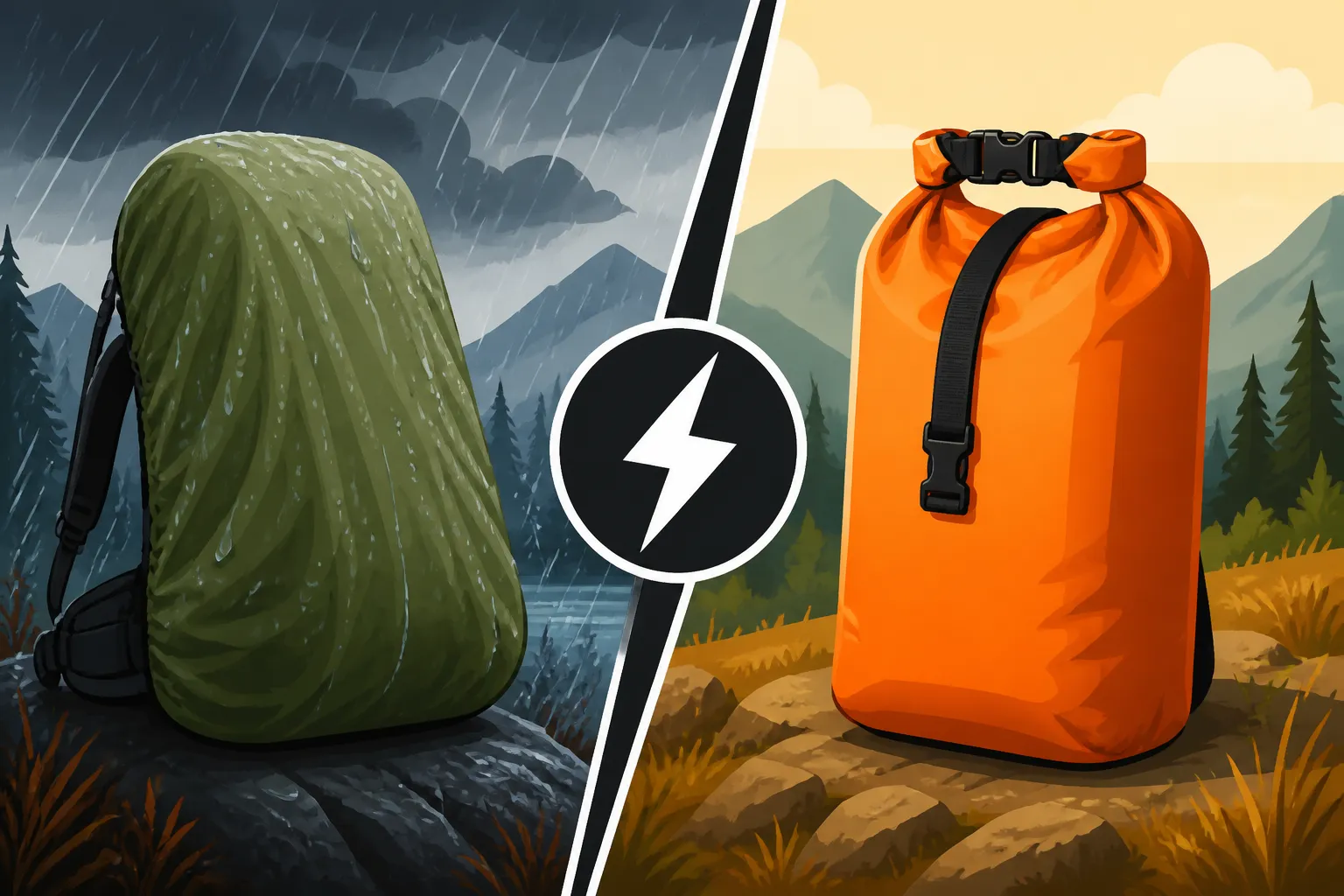
Most modern hunting packs come with, or at least have an option for, an integrated rain cover. These are generally lightweight, pack down small, and are designed for quick deployment. They slip over the entire pack, cinching down to repel water. Think of them as a large, lightweight poncho for your backpack, meant to shed the immediate onslaught of precipitation.
The primary benefit of a rain cover is its ability to keep the main fabric of your pack from becoming waterlogged. A soaked pack isn't just heavy; it can also transfer that cold, damp feeling to your back, impacting your comfort even if your personal rain gear is holding up. A rain cover acts as a sacrificial layer, taking the brunt of the weather.
Pros and Cons of Rain Covers
Let's be real, rain covers have their place, but they're not a magic bullet. Understanding their limitations is just as important as knowing their strengths.
Pros:
- Speed: They're fast to deploy. When that sudden squall hits while you're glassing from a ridge, you can have it on in seconds. This quick reaction time can prevent initial saturation of your pack's exterior. You don't have to stop, unpack, and repack; it's a simple pull-over-and-cinch operation.
- Accessibility: Your pack's external pockets and zippers generally remain somewhat accessible, which is a big plus when you need a rangefinder or a snack without digging deep. While not completely unrestricted, you can often reach essentials without removing the cover entirely. This is a huge convenience factor when you're on the move.
- Weight: They're usually very light, adding minimal bulk to your kit. For those gram-counting hunters, a rain cover is often the lightest external waterproofing option.
- Cost: Generally inexpensive, often included with the pack itself. If you need to replace one, they typically won't break the bank.
Cons:
- Durability: They're often made of thin material, prone to snags and tears, especially if you're bushwhacking through dense timber or over sharp rocks. A small tear renders them almost useless. One brush with a sharp branch can puncture it, creating a direct entry point for water.
- Coverage: They don't seal completely. Water can still get in through the back panel where it presses against your body, or wick up from the bottom if you set your pack down in a puddle. They're good for shedding rain, but not for immersion. Water can also be forced under the cover by wind or driving rain, especially around the shoulder straps and hip belt.
- Sweat: In warmer, wetter conditions, they can trap sweat and condensation against your pack, leading to internal dampness anyway. If your back is sweating, that moisture has nowhere to go but into your pack fabric, creating a humid microclimate inside the cover.
- Bulk with external gear: If you're strapping a rifle, bow, or a coat to the outside of your pack, a rain cover can become awkward, providing imperfect coverage or being difficult to deploy. Rifle Setup for Washington Elk and Deer or Archery Practice for Wet Coastal Conditions need special consideration here, as external carry systems often interfere with a seamless pack cover fit.
Best Use Cases for Rain Covers
Rain covers are excellent for shedding light to moderate rain and protecting against general moisture when you're on the move. They're great for day hunts where you're not risking critical gear like a sleeping bag or a full change of clothes. Think of them as your first line of defense, keeping the bulk of the water off your pack and giving you a bit more time if the rain intensifies. They're also handy for keeping dust off your pack in dry, windy conditions.
Imagine a crisp fall morning deer hunt in Eastern Washington. The forecast calls for a 30% chance of showers. You might not want to bother with internal dry bags for every item, but having your pack cover ready means you can quickly protect your gear if that 30% chance turns into a downpour. It keeps the surface of your pack dry, making it more comfortable to carry and less likely to soak items through the fabric itself. They are also useful for protecting your pack from morning dew or light frost when leaning it against a tree during a stand hunt.
The Impermeable Fortress: Dry Bags
Dry bags are fundamentally different. They're designed to create a completely sealed, watertight environment for whatever you put inside. Think of them as waterproof pockets within your pack, offering a level of protection that no external rain cover can match. They are truly about isolating contents from moisture.
The principle is simple: roll the top down several times and clip it shut, creating a positive seal that water cannot penetrate. This makes them indispensable for specific, high-value items, or for situations where a soak is not just possible, but probable.
Pros and Cons of Dry Bags
Dry bags offer superior protection, but with their own trade-offs that hunters need to weigh.
Pros:
- Waterproof Seal: When properly sealed (usually by rolling the top several times and buckling), they are genuinely waterproof. Your gear inside will stay dry even if your pack takes a swim. This is crucial for items like sleeping bags, down jackets, and electronics. This is the gold standard for keeping things absolutely, positively dry.
- Durability: Many are made from robust, coated fabrics that stand up to abuse much better than typical rain covers. They are designed to withstand abrasion and punctures, making them suitable for rough backcountry use.
- Versatility: They come in various sizes and shapes, allowing you to compartmentalize and waterproof specific items. A small dry bag for your electronics, a medium one for extra layers, and a large one for your sleep system. You can tailor your waterproofing strategy to each item's specific needs.
- Internal Organization: They help keep your pack organized and compressed. You can use different colored dry bags to quickly identify contents, making it easier to find what you need in the dark or in a hurry. This is a pro often overlooked, especially for backcountry hunters using a mapping tool like GoHunt to plan routes and gear needs and needing quick access to specific items.
Cons:
- Accessibility: Getting things out of a dry bag means unrolling the top, extracting the item, and then carefully re-rolling and sealing. This isn't ideal for items you need frequently or quickly. It can be a cumbersome process, especially with cold fingers or in a hurry.
- Volume: They can take up more space and add a little more weight than a flimsy rain cover, especially if you're using multiple ones. The material itself, while durable, is thicker and less compressible than your average pack cover.
- Cost: Quality dry bags can add up, especially if you need several different sizes. Building a full complement of dry bags for a multi-day hunt can be a significant investment.
- Internal Condensation: If you pack damp gear into a sealed dry bag, that moisture is trapped inside, potentially leading to mildew or just stubbornly damp items. Always pack dry gear into a dry bag. This is a common mistake that negates the very purpose of a dry bag.
Ideal Applications for Dry Bags
Dry bags are your absolute best friend for critical items on any hunt where staying dry is paramount. This includes multi-day backcountry trips where your Backcountry Camps in Washington Wilderness rely on a dry sleeping bag and warm clothes. They're essential for protecting down insulation, which becomes useless when wet and takes ages to dry. Electronics, first-aid kits, maps, and important documents should always be in a dry bag, no matter the forecast. Think of using them for a comprehensive kit that GoHunt might suggest for your specific GMU and season. Consider a few small ones for a First Aid Kit for a Remote Hunt or your essential navigation tools.
When you're packing for warmth in colder weather, keeping your extra layers dry is vital. Your Sleeping Bag Temperature Ratings mean nothing if your bag is damp. Even a light moisture content can significantly reduce the insulating properties of down or synthetic fill, leading to a miserable and potentially dangerous night. For any hunt where you might encounter deep water, persistent rain, or even just high humidity over several days, dry bags are non-negotiable insurance for your most sensitive items.
The Synergistic Approach: Combining Covers and Bags
The truth is, it's not really an either/or situation. The most effective strategy for Washington's unpredictable weather is often to use both rain covers and dry bags in conjunction. This layered defense offers the best of both worlds, providing robust protection while maintaining a degree of accessibility and minimizing overall weight.
A lot of hunters mistakenly believe that one or the other will suffice. But Washington's unique blend of wet, rugged, and sometimes unpredictable conditions demands a more nuanced approach. By understanding the strengths of each, you can deploy them strategically to maximize your comfort and the longevity of your gear.
Layered Defense Strategy
Imagine your pack as a fort. The external rain cover is your outer wall, deflecting the main assault of rain and keeping the bulk of your pack's fabric dry. Inside, your dry bags are the inner keep, protecting your most precious supplies from any moisture that breaches the outer defenses, or from condensation. This layered approach is the ultimate peace of mind. You might have a large dry bag for your sleeping bag and a down puffy jacket, smaller ones for electronics and maps, and still use your pack's external rain cover to shed water from the pack itself and easily accessible layers. This helps keep the overall weight down compared to packing every single item in its own dry bag.
This strategy means your external pack shell is protected from becoming waterlogged, which reduces the overall weight gain from absorbed water and helps maintain the pack's integrity. Meanwhile, your vital internal gear remains bone-dry, insulated from both external precipitation and any internal condensation that might form. When you consider Layering for Wet Cold Weather, keeping every layer dry, from your base to your insulation, is crucial for maintaining core body temperature. This redundant system offers the highest level of assurance against Washington's persistent dampness.
Strategic Packing for Maximum Protection
Here's a smart way to pack to make the most of both solutions:
- Bottom Layer (Crucial items): Sleeping bag, extra layers (like a puffy jacket), socks. These go into a large, durable dry bag at the bottom of your pack. This ensures they stay dry even if your pack gets submerged or sits in a puddle. You want to focus on Sleeping Bag Temperature Ratings and keeping them effective. Compressing these items within a dry bag also helps utilize space efficiently.
- Middle Layer (Less critical, but still important): Food, cooking gear, fuel. These can often go into heavy-duty zip-top bags or slightly less robust dry bags, as a bit of dampness here isn't catastrophic. Even non-critical items can benefit from some water resistance to prevent soggy snacks or corroded stove parts.
- Top Layer (Frequently accessed items): Rain gear for you (like a jacket and pants), snacks, water filter, first-aid kit, game calls, navigation tools. These items should be easily accessible. While your personal rain gear is the first thing you grab, Rain Gear for Westside Hunting needs to be within reach. Your GPS or phone with the GoHunt app for navigation might be in a smaller, quick-access dry bag in a lid pocket, allowing for quick checks without exposing everything.
- External Attachments: If you carry a spotting scope, rifle, or bow externally, consider individual waterproof cases or wraps for these items. A pack cover won't fully protect these when strapped on and will often make these items cumbersome to access. For a Washington's Legal Equipment Rules by Weapon hunt, ensuring your weapon is always functional is paramount.
When you're on a multi-day hunt and planning to set up a Staying Dry in a Spike Camp, having a systematic approach to waterproof packing is a game-changer. It means you can break camp quickly in the morning knowing your essential gear is still dry, regardless of the weather that rolled in overnight.
When One is Better Than the Other
There are definitely situations where one shines more than the other, and understanding these nuances helps you make smarter choices in the field:
- Day Hunt in Mild, Chance-of-Rain Forecast: A simple pack rain cover is often sufficient. You're not relying on a sleeping bag, and you're likely headed back to the truck or camp if things get truly nasty. The convenience and quick deployment outweigh the need for absolute impermeability.
- Heavy Bushwhacking in Consistent Rain: While a rain cover helps, it's more likely to snag and tear, especially in dense Westside cover. This is where internal dry bags become essential for protecting valuables. Your pack fabric might get wet, but the critical contents inside will remain pristine. This is especially true when Still-Hunting Blacktails in Wet Washington Brush or moving through dense Reading Clearcuts and Reprod for Blacktail Bucks. The physical abuse your pack takes means external covers have a limited lifespan.
- River Crossings or Extremely Wet Conditions: Dry bags are non-negotiable. If you slip and your pack goes into the water, a rain cover is virtually useless. You need that hermetic seal. For crossing swollen creeks or navigating areas prone to flash floods, the ability to keep essentials dry, even if submerged, is vital for safety and success.
- Expeditions with High Stakes Gear: For multi-day trips with expensive cameras, satellite communicators, or vital medical supplies, redundant waterproofing (dry bag inside a pack with a rain cover) is the only smart play. If you're chasing a Roosevelt Elk of Western Washington deep in the backcountry during the Washington Archery Deer Season Dates, you can't afford a single gear failure due to moisture.
Here's a simple comparison table to help visualize the choice:
| Feature | Backpack Rain Cover | Dry Bag (Internal) |
|---|---|---|
| Primary Function | Sheds external rain from pack | Creates watertight seal for internal items |
| Protection Level | Good for light to moderate rain, splashes | Excellent for heavy rain, submersion, persistent damp |
| Accessibility | Maintains relatively easy access to pockets | Requires unrolling/re-sealing for access |
| Durability | Often thin, prone to tearing | Generally robust, more tear-resistant |
| Weight/Bulk | Very lightweight, minimal bulk | Slightly heavier, adds internal volume |
| Cost | Often included, generally inexpensive | Varies by size/brand, good quality costs more |
| Best For | Day hunts, light rain, quick deployment | Critical gear (sleeping bag, electronics, layers), multi-day hunts, extreme wet |
Ultimately, whether you're stalking a Roosevelt Elk of Western Washington in a downpour or setting up a Two-Man Calling Setups on Elk stand on a frosty morning, a meticulous approach to keeping your gear dry will dramatically improve your comfort and success. Don't let a little moisture turn your dream hunt into a soggy nightmare. Invest in quality solutions and practice your packing system before you hit the trail. Just as you choose the right Boots for Washington's Eastside Rock and Westside Mud, choose the right waterproofing for your gear.
Disclaimer
This article is for general informational purposes only and does not constitute professional advice. Laws, prices and regulations vary by location and change over time. Consult a qualified professional for guidance on your specific situation.