Blacktail Deer Life Span
It's incredibly frustrating when you dedicate time and effort to hunting, finally spot that elusive blacktail, and then realize you have no idea how old it is or what factors truly determine its chances of surviving another season. Understanding the blacktail deer life span isn't just a biological curiosity; it's vital for appreciating the health of the herd, making informed hunting decisions, and truly connecting with the game we pursue here in Washington. This guide will dive deep into the typical life trajectory of our Washington blacktail deer, what challenges they face, and how their age can influence your hunting strategy.
Understanding the Natural Blacktail Deer Life Span in Washington
When we talk about the blacktail deer life span in Washington, we're really looking at a spectrum, not a single number etched in stone. These resilient animals, especially the Columbian Blacktail Deer in Western Washington, navigate a tough world from the moment they’re born. While some can live a surprising number of years, many don't make it past their first year, let alone their fifth. It’s a harsh reality of nature, compounded by factors unique to our state's diverse landscapes.
The Stages of a Blacktail's Life Journey
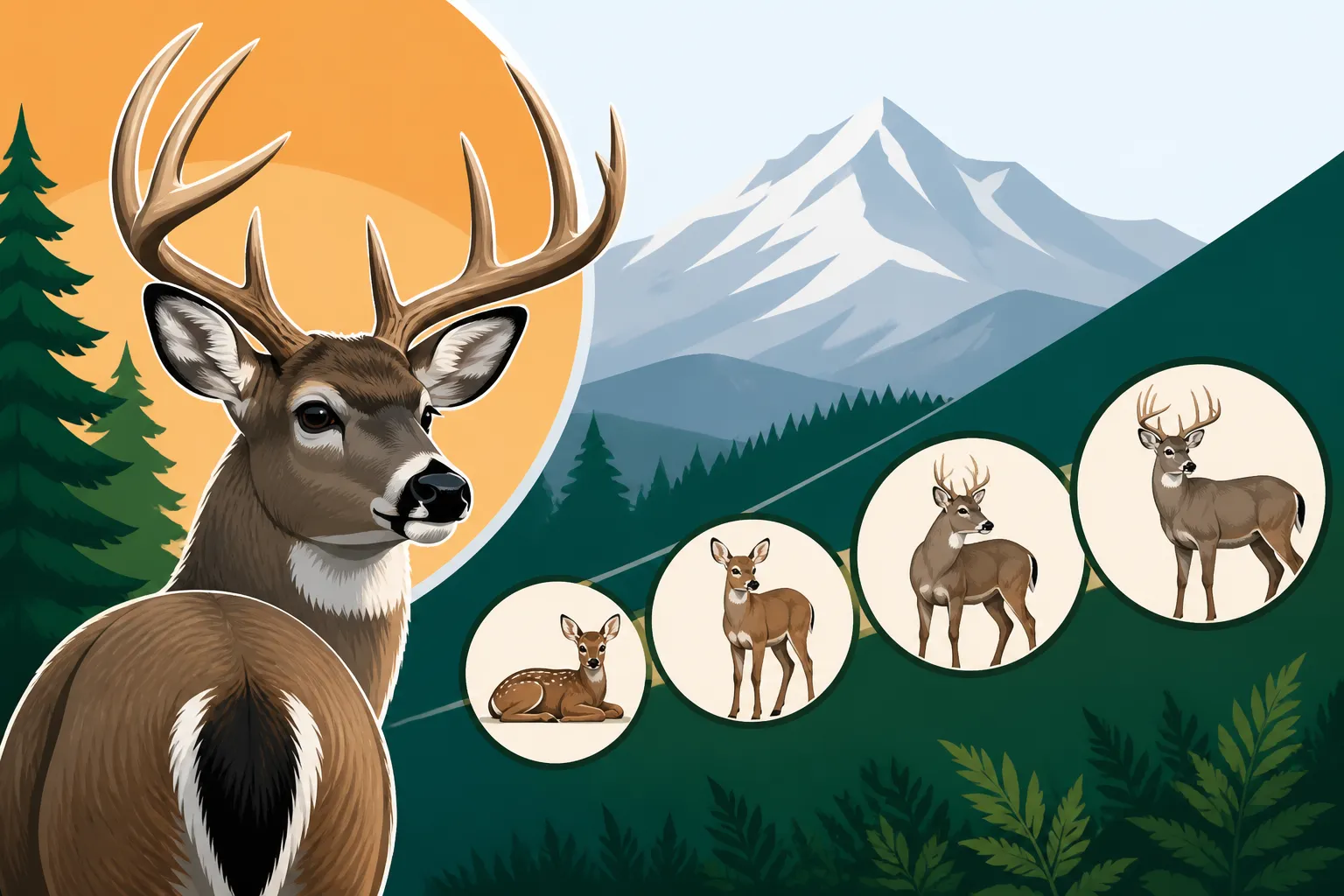
A blacktail deer's life can be broadly broken down into several critical stages, each with its own set of challenges and triumphs.
Fawn to Yearling: The Gauntlet of Survival
The first year of a blacktail's life is arguably the most perilous. Born usually in late spring or early summer, blacktail fawns are vulnerable to everything from predators like coyotes and cougars to harsh weather, disease, and accidental encounters with vehicles. A significant percentage, often upwards of 50%, won't see their first birthday. They're small, dependent on their mothers for milk and protection, and lack the speed and cunning that comes with age. Even something as simple as a prolonged cold, wet spring can reduce fawn survival rates dramatically. This early stage is where population numbers really take their hit, dictating how many deer will even be around for future hunting seasons. It’s a constant battle for these youngsters to grow, learn, and avoid becoming prey.
Juvenile Years: Learning the Ropes
If a blacktail makes it past its first year, reaching the yearling stage, its chances of survival increase considerably. Between two and four years old, deer are often at their physical peak in terms of agility and health. Bucks are starting to develop impressive antlers, though they may not yet be their largest. Does are typically beginning to reproduce, contributing to the next generation. This is a time of learning, where deer hone their instincts, become more adept at finding food and cover, and develop a keen sense of their surroundings. They've learned the local escape routes, the best bedding areas, and how to react to threats. For hunters, these are often strong, healthy animals, but they can still be taken relatively easily if they haven't yet learned the ultimate evasive maneuvers.
Mature Adults: The Wisdom of the Wild
Deer that reach five years old and beyond are truly survivors. These mature bucks and does have navigated multiple hunting seasons, evaded countless predators, and endured various environmental stresses. They are often the largest and most robust, both physically and genetically. A mature buck will typically carry his largest antlers during these years, before potentially declining in old age. Does in this category are highly experienced mothers, often leading family groups and teaching younger generations. For hunters seeking a true trophy or a challenging hunt, these older deer are the pinnacle. Their senses are sharp, their patterns are subtle, and they've often learned to avoid common human pressures. Many serious hunters rely on resources like GoHunt to study movement patterns and historical data that might give them an edge against these wise old deer.
What Does "Long-Tail" Mean for Life Span?
In biological terms, "long-tail" when discussing life span refers to the small percentage of individuals that live significantly longer than the average. While the average blacktail in a hunted population might only live 3-5 years, there will always be a few, the "long-tail" outliers, that push into the 8, 10, or even 12-year range. These are the truly exceptional animals, often those that have found refuge in overlooked pockets of habitat, developed superior evasion tactics, or simply gotten lucky. Their existence helps maintain genetic diversity and provides the occasional "once-in-a-lifetime" encounter for a persistent hunter.
Key Factors Influencing a Blacktail Deer's Longevity
The life of a blacktail deer in Washington is a constant struggle against a multitude of environmental pressures. It's not just about avoiding a hunter's bullet; it's about making it through every day, every season, against the elements, predators, and even their own kind.
Predator Pressure and Disease
Predation is a primary force shaping blacktail deer life span. Here in Washington, blacktails contend with a range of formidable predators.
The Persistent Threat of Predators
Cougars are perhaps the most efficient natural predator of deer, and their presence can significantly impact local deer populations and, by extension, the average life span. A single cougar can kill multiple deer in a short period. Other predators, like coyotes, especially impact fawns, acting as a major check on recruitment into the population. Bears, too, while often thought of as opportunistic, will certainly prey on fawns if given the chance. The constant threat of being hunted by these animals keeps deer wary, alert, and often forces them into less optimal habitats, which can add further stress. Understanding how animals move to avoid predation can be key for Spot-and-Stalk Bear Hunting in Washington Without Bait or even Cougar Hunting in Washington After the Hound Ban.
Disease and Parasites
Disease outbreaks can sweep through deer populations, especially in areas with high deer densities, significantly reducing the blacktail deer life span. Conditions like epizootic hemorrhagic disease (EHD) or adenovirus hemorrhagic disease (AHD) can cause rapid die-offs, particularly during drought years when deer congregate around limited water sources. While not as prevalent in Washington as in some other states, these diseases are always a concern. Parasites, such as ticks, can also weaken deer, making them more susceptible to other illnesses or predation. WDFW continually monitors Washington Wildlife Disease Surveillance to track any potential threats to our deer and elk.
Habitat Quality and Environmental Stress
The quality of the habitat a blacktail calls home directly influences its ability to survive and thrive. A healthy environment provides sustenance and shelter, extending the potential blacktail deer life span.
Food, Water, and Shelter
Deer need consistent access to nutritious forage, clean water, and adequate cover to escape predators and harsh weather. Areas with a rich diversity of native plants, active timber management creating beneficial browse, and reliable water sources will support healthier deer that are more resistant to disease and stress. Conversely, poor habitat—like areas with overgrazed vegetation, limited water, or fragmented cover—puts deer under constant stress, making them weaker and shorter-lived. For hunters, understanding Reading Clearcuts and Reprod for Blacktail Bucks is not just about finding deer, but understanding why they are there and what the habitat offers them.
The Role of Weather and Climate
Washington's weather can be brutally unforgiving. Severe winters with deep snow or prolonged ice can make foraging nearly impossible, leading to starvation, especially for fawns and older deer. On the flip side, extremely hot, dry summers can stress deer by limiting water access and reducing forage quality. These environmental extremes act as natural filters, ensuring only the most robust deer survive. These pressures are particularly relevant when you consider the impact on Blacktail Rut Timing in Western Washington and overall herd health.
Hunting Pressure and Management Strategies
While natural factors play a huge role, human interaction, particularly hunting, also significantly impacts the blacktail deer life span.
Hunting as a Management Tool
Regulated hunting is a critical tool for managing deer populations, helping to keep numbers in balance with the available habitat. In many areas, hunting removes older animals and helps maintain a healthy age structure within the herd, preventing overpopulation and the spread of disease. However, high hunting pressure, especially on bucks, can skew age ratios and potentially reduce the average life span of males in a specific area. This is why agencies like WDFW constantly adjust seasons and bag limits. For instance, some GMUs might have antler restrictions, like Hunting Washington's Three-Point Minimum Units, designed to allow younger bucks to mature.
The Hunter's Ethical Role
As hunters, we play a direct role in the average life span of the deer in our units. Ethical hunting practices, such as ensuring clean kills and diligent blood trailing, minimize stress and suffering. By understanding the local population dynamics, perhaps through resources offered by GoHunt, hunters can also contribute to sustainable harvesting, ensuring that healthy deer populations continue for future generations.
Aging Blacktail Deer in the Field and Post-Harvest
One of the most satisfying parts of hunting, beyond the harvest itself, is understanding the animal you've taken. Knowing how to estimate the age of a blacktail deer, whether it's a quick assessment in the field or a more detailed analysis post-harvest, adds a layer of depth to the experience.
Field Judging: Estimating Age Before the Shot
While not an exact science, skilled hunters can get a pretty good estimate of a blacktail's age by observing several characteristics in the field. This skill is invaluable, especially if you're trying to selectively harvest older animals.
Antler Characteristics and Body Confirmation
Antlers are often the first thing hunters look at, but they can be deceptive. While younger bucks (2-3 years old) might have smaller antlers, and mature bucks (4-7 years old) typically boast their largest racks, antler size alone isn't a perfect indicator of age. Genetics and nutrition play a huge role in Blacktail Buck Antler Size. Instead, seasoned hunters also focus on body confirmation:
- Yearlings (1.5 years old): Often look gangly, with long legs and a thin neck. Their body is still growing, and they might appear disproportionate.
- Young Adults (2.5-3.5 years old): Bodies are filling out, necks are thicker, but they still have a lean, athletic look. Antlers are growing, often showing good mass.
- Mature Adults (4.5+ years old): These deer have deep chests, sagging bellies, and thick, powerful necks that blend smoothly into their shoulders. Their legs might seem shorter in proportion to their body mass. They often carry a certain "dignity" in their posture.
- Old/Declining Bucks (8+ years old): While still large, they might show signs of wear and tear, and their antlers might actually regress in size, becoming shorter or less symmetrical. Their faces might appear more gaunt.
It takes practice, often with a good pair of binoculars or a spotting scope, to accurately judge age in the field. Many hunters pore over photos and videos, and services like GoHunt sometimes offer guides or forums where members share tips and techniques for field judging local game.
Post-Harvest Aging: Precision Through Teeth
Once a deer is harvested, there are more definitive ways to determine its age, primarily through examining its teeth. This method is far more accurate than field judging and provides invaluable data for both hunters and wildlife managers.
Tooth Wear and Replacement: The Gold Standard
The most common and accurate method for aging deer involves looking at their lower jaw. Deer have a specific pattern of tooth eruption and wear that allows for reliable age estimation up to about 6-7 years old.
- Fawns: Will have milk teeth (deciduous) that are eventually replaced by permanent teeth. You'll see tiny third premolars, often with three cusps.
- Yearlings (1.5 years old): This is a key age class. The deer will have its third permanent premolar (a three-cusped tooth) fully erupted. By the time it's 2.5 years old, this premolar will have been replaced by a two-cusped permanent tooth.
- Adults (2.5+ years old): After 2.5 years, all permanent teeth are in. Age is then estimated by the wear on the molars. The cusps on the molars will gradually wear down over time, revealing more dentin (the darker inner material of the tooth). The more wear, the older the deer.
Here's a simplified table to illustrate the tooth wear progression for blacktail deer:
| Age Class (Years) | Key Dental Characteristics (Lower Jaw) | Notes |
|---|---|---|
| 0.5 (Fawn) | 3 milk premolars, 1st molar erupted, 2nd molar starting to erupt. | Third premolar often has 3 cusps. |
| 1.5 (Yearling) | All 3 molars erupted. Third deciduous premolar (3 cusps) is still present. | Permanent 1st and 2nd molars show slight wear. |
| 2.5 | All adult teeth present. Third permanent premolar (2 cusps) fully erupted. | Cusps on 1st molar beginning to show noticeable wear. |
| 3.5 | Moderate wear on 1st molar, cusps of 2nd molar showing wear. | Lingual (tongue side) crests of 1st molar are rounded. |
| 4.5 | Heavy wear on 1st molar, moderate wear on 2nd molar. | 1st molar's cusps almost worn flat; dentin wider than enamel. |
| 5.5 | 1st molar almost completely worn down, significant wear on 2nd and 3rd molars. | All molars show substantial wear; cusps are severely blunted. |
| 6.5+ | Severe wear on all molars. Crowns of teeth may be worn below gum line. | Difficult to distinguish precise age beyond this point by wear. |
Beyond 6-7 years, the wear becomes so extensive it's hard to differentiate between individual years, though you can still confidently classify a deer as "old." This method is often taught in hunter education courses and is a rewarding skill to develop. For those who want to be meticulous, specialized labs can perform cementum annuli analysis (counting rings in tooth cementum, similar to tree rings) for a highly precise age, though this is usually done for research purposes.
Hunting Implications of Blacktail Deer Life Span
Understanding the blacktail deer life span isn't just about curiosity; it has direct, practical implications for how and where we hunt. Knowing the typical age structure of a herd can help you set realistic expectations, tailor your scouting, and even influence your shot selection.
Targeting Mature Animals Versus General Harvest
Different hunters have different goals. Some are simply looking to fill their freezer, and any legal deer is a good deer. Others are specifically seeking out mature, older animals, often for their trophy antlers or the challenge they present.
Strategies for Pursuing Older Bucks
If your goal is a mature, older blacktail buck, understanding their life span and behaviors is paramount. These are the bucks that have likely survived multiple hunting seasons. They are warier, often nocturnal, and tend to utilize thicker cover. You won't find them standing in open clearcuts during daylight hours very often. Instead, you'll need to focus on:
- Stealth and Patience: Older bucks demand exceptional stillness and quiet. Try Still-Hunting Blacktails in Wet Washington Brush or focus on sitting in natural funnels between bedding and feeding areas.
- Deep Cover and Remote Areas: Look for the nastiest, thickest reprod, dense old growth, or areas with difficult access. These are often where older bucks find sanctuary. This might mean pushing deep into areas you've previously ignored, or looking for Walk-In Only Gates on Industrial Timber.
- Rut Timing: The rut offers a brief window when mature bucks might drop their guard, becoming more active during daylight hours as they seek does. Knowing Blacktail Rut Timing in Western Washington is crucial for targeting older bucks.
- E-Scouting: Utilize tools like satellite imagery or WDFW's hunt planner maps to identify secluded pockets, escape routes, and bedding areas in your chosen GMU. Resources from GoHunt are invaluable for researching specific unit characteristics that might favor older deer.
- Scout Smarter, Not Just Harder: Trail cameras can reveal nocturnal patterns of older bucks without disturbing them. Focus camera placement on natural pinch points or water sources rather than obvious feeding areas. Consider Trail Camera Placement on Ridge Saddles for optimal results.
Hunting older animals is a long game, often requiring multiple seasons of scouting and dedication to a specific area.
Herd Health and Management Decisions
The average blacktail deer life span in a given area tells wildlife managers a lot about the health and dynamics of that population. A population with a good representation of older age classes suggests a healthy herd, balanced habitat, and sustainable hunting pressure.
The Importance of Age Structure
When wildlife biologists assess a deer herd, they look at its age structure. A healthy population will have a mix of age classes, from fawns to mature adults. If there's a lack of older animals, it could indicate excessive hunting pressure, high predation, or poor habitat leading to early mortality. Conversely, too many older, post-prime animals could signal issues with fawn recruitment or other population imbalances. WDFW uses this data to adjust permit numbers, season lengths, and antler restrictions to ensure the long-term sustainability of our deer herds.
Hunter Contribution to Data
Every time you successfully harvest a deer and accurately report it, you're contributing valuable data that helps WDFW monitor the blacktail deer populations. This harvest data, combined with biological surveys (like fawn survival rates or winter mortality assessments), paints a more complete picture of the overall health and age structure of the herd. Knowing that your harvested deer was, say, a 5.5-year-old buck rather than a 2.5-year-old makes a difference in those statistics. This is why agencies stress the importance of Washington Harvest Reporting Requirements. Your actions as a hunter directly contribute to the scientific management of these incredible animals, ensuring that future generations can also experience the challenge and reward of pursuing a Washington blacktail.
Disclaimer
This article is for general informational purposes only and does not constitute professional advice. Laws, prices and regulations vary by location and change over time. Consult a qualified professional for guidance on your specific situation.