Where Washington Turkeys Roost
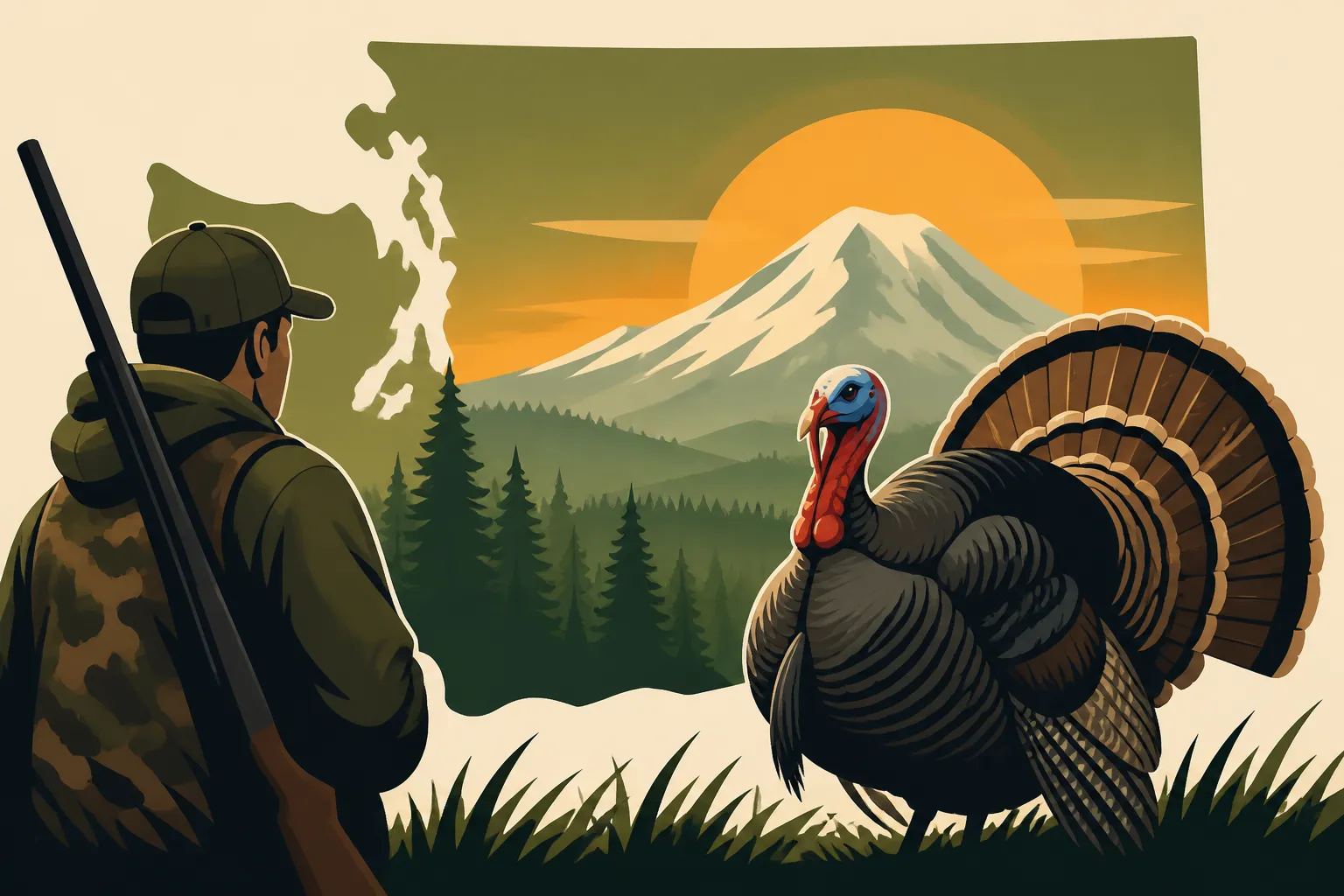
Man, there's nothing more frustrating than striking out on turkeys, especially when you know they're around. You spend hours walking, calling, and listening, only to come up empty or worse, bump a whole flock right off the roost tree as you're trying to sneak in. Figuring out where Washington turkeys roost can feel like solving a wild puzzle, but it's honestly one of the most critical pieces to consistent success, whether you're chasing them in the spring or fall. This guide is all about peeling back the layers on turkey roosting behavior here in our diverse Washington landscapes, giving you the insights and strategies you need to pinpoint those nocturnal hideaways and plan your approach like a seasoned pro.
Understanding Turkey Roosting Behavior in Washington
Turkeys aren't just picking any old tree to sleep in; there's a method to their madness, driven by survival and instinct. If we want to consistently find birds, we need to think like them, understanding the pressures and preferences that dictate their nighttime habits across Washington's varied terrain. It’s more than just finding a tall tree; it's about the entire nocturnal landscape from a turkey's perspective.
Why Turkeys Roost in Specific Locations
At the end of the day, literally, a turkey's primary goal is to make it through the night without becoming a meal. This means safety from ground predators like coyotes, bobcats, and even cougars. They're looking for an elevated position, typically in a sturdy tree, that offers protection and a clear view of their surroundings, especially as dawn approaches. Imagine trying to sleep on the ground when you know a predator could be lurking just out of sight. That's why they go airborne.
Beyond just avoiding predators, roosting spots offer other advantages. They often choose trees that provide some thermal cover, protecting them from cold winds or rain. In the morning, roosting high gives them an aerial perspective to scan for danger before dropping to the ground. This behavior is deeply ingrained, and understanding it is key to anticipating their movements. They'll also often pick trees close to reliable food sources or water, making their morning commute shorter and safer.
Seasonal Variations in Roosting Habits
A turkey's roosting strategy isn't static; it shifts throughout the year based on weather, food availability, and breeding cycles. In the spring, during the peak of breeding, gobblers might roost alone or with a small group of other males, often closer to areas they expect to find hens. Hens, particularly those nesting, might roost in slightly different areas, perhaps in denser cover. Their focus is on breeding, so their roosts might be strategically placed to maximize morning gobbling to attract mates. This is when you'll often hear a tom light up the woods from his limb at first light.
As fall approaches and turkeys gather into larger flocks, their roosting behavior becomes more communal. You'll see dozens of birds piling into the same stands of trees, relying on safety in numbers. These large flocks might use the same roosting areas night after night, as long as they aren't disturbed. In winter, survival is paramount. Turkeys will often choose sheltered roosts that provide maximum protection from harsh winds and heavy snow, prioritizing warmth and energy conservation. Understanding these shifts, and how they relate to Washington Turkey Seasons and Tags, can help you narrow down your search.
The Role of Predator Pressure
Predator presence is a huge driver of roosting choice. If turkeys are constantly being harassed by coyotes or other nocturnal hunters, they're going to pick the most inaccessible, safest trees they can find. This might mean taller trees, trees over water, or trees on steep hillsides that are difficult for ground predators to approach undetected.
If you've noticed a particular roost site suddenly abandoned, increased predator activity might be the culprit. Turkeys are smart; they learn. A few close calls will make them change their patterns pretty quickly. This is why paying attention to other wildlife sign, like scat or tracks from potential predators, can give you clues as to why turkeys might be using or avoiding certain areas. Knowing how to adapt to these conditions, similar to how one might approach Predator Calling for Coyotes in Eastern Washington, can make all the difference.
Prime Roosting Habitat Features in Washington
Washington's diverse geography means turkey habitat varies wildly, from the rain-soaked west side to the arid east. However, certain structural features consistently attract turkeys looking for a safe night's sleep, regardless of the specific region. Learning to identify these features on a map or in person is critical for success.
Tall, Mature Trees Near Water Sources
When you're looking for roosts, think big. Turkeys prefer tall, mature trees with strong horizontal limbs that can support their weight. In Eastern Washington, this often means towering Ponderosa pines, especially those on a south-facing slope that catches the last rays of sun. Along river corridors like the Methow or Grande Ronde, large cottonwoods or aspens are prime candidates. These trees often have open understories, allowing for an easier fly-up and fly-down without hitting obstacles. The sheer height gives them a significant advantage over ground-based predators.
The proximity to water is also a huge draw. Turkeys need to drink daily, and often the first thing they do after flying down in the morning is head to a water source. Roosting near a river, stream, pond, or even an agricultural irrigation ditch means less travel in the vulnerable morning light, making it an efficient and safer choice. Keep an eye out for these combinations when you're digitally scouting or boots-on-the-ground.
Ridgelines and High Ground with Good Visibility
Elevation is a turkey's friend. Roosting on or near a ridgeline or on high ground offers a tactical advantage. Not only does it make them harder for ground predators to reach, but it also gives them an expansive view of the surrounding terrain. At first light, they can scan for movement below, ensuring the coast is clear before they fly down. This is particularly true for Merriam's turkeys, which often frequent the steep, timbered slopes of Washington's mountains.
Think about a ridge that overlooks a feeding area – perhaps a newly planted field, an area with abundant mast crops, or a pasture. Turkeys can roost on the ridge, wake up, and with a short flight, be right in their morning feeding zone. This strategy minimizes exposure and maximizes feeding time. Using topographic maps, especially when you're E-Scouting a Washington GMU From Home, can highlight these prime elevated areas.
Forest Edges and Transition Zones
While turkeys love big timber, they often roost right on the edge of it, particularly where it transitions into more open country like clearcuts, agricultural fields, or large meadows. This offers the best of both worlds: dense timber for protection and concealment, combined with immediate access to open feeding areas upon fly-down.
These transition zones provide easy navigation. They can fly up into the protection of the timber but still have a good vantage point over the open ground where they'll likely spend their day foraging. This is particularly common in areas with diverse habitat, such as the edge of the Colville National Forest bordering private agricultural lands in Eastern Washington Hunting Country. If you find these edges, especially those with good escape cover nearby, you're likely zeroing in on a preferred roosting location.
Scouting Strategies for Locating Turkey Roosts
Finding a turkey roost isn't always about luck; it's about systematic scouting and understanding their patterns. You can't just wander aimlessly hoping to bump into them. Whether you're planning a spring gobbler hunt or a fall flock pursuit, employing these strategies will significantly increase your odds.
Pre-Season Digital Scouting and Map Study
Before you ever set foot in the woods, your computer or tablet can be your best friend. Use satellite imagery and topographic maps to identify potential roosting areas. Look for prominent ridgelines, dark timber patches (indicating dense, mature trees), and areas with flowing water. Services like GoHunt or onX Hunt offer invaluable tools, allowing you to layer different map types, mark waypoints, and even identify public versus private land boundaries, which is crucial in Washington.
I always mark areas where I see large, mature conifer stands, especially if they're near water or on a steep slope. I’ll also pay attention to elevation changes that could offer a good vantage point for turkeys. Think about where a turkey would want to fly up to be safe and have a view. These digital tools can save you countless hours of walking in the wrong places, focusing your efforts on high-probability zones. It's the same principle you'd use for Using Trail Cameras to Find Washington Bulls, just adapted for turkeys.
Listening for Roosting Calls at Dawn and Dusk
This is probably the most reliable method for pinpointing a roost. Turkeys are creatures of habit. In the evening, they'll often "tree yelp" or cluck as they fly up to their roost, settling in for the night. This is your cue. Position yourself quietly in a likely area about an hour before sunset. Listen intently. Once you hear them fly up and settle, you can mark the location on your GPS. The key is to do this stealthily, without disturbing the birds.
In the morning, the magic happens. Get to your listening post well before civil twilight, ideally an hour or more before sunrise. As the light begins to break, gobblers will start "shock gobbling" from their limbs, answering owls, crows, or even your own locator calls (like a barred owl hoot). This is your golden ticket. Listen for the direction and distance of the gobble. Hens will also often make soft tree yelps. Once they fly down, you'll often hear a distinct "fly-down cackle." Knowing Where Washington Turkeys Roost is half the battle; knowing when they're there is the other half.
Looking for Physical Sign Under Roost Trees
Once you've identified a potential roost area, either by hearing birds or through map reconnaissance, it's time for some boots-on-the-ground confirmation. Walk under the suspected roost trees. What you're looking for is definitive proof that turkeys are spending the night there.
- Droppings: Turkey droppings are distinct. Gobbler droppings are J-shaped or straight, while hen droppings are more coiled or bulbous. Fresh droppings under a tree are a dead giveaway.
- Feathers: You’ll often find dropped feathers, especially if the birds have been using the roost for a while.
- Disturbed Ground: Look for signs of scratching or disturbed leaves from birds landing and taking off.
- Dusting Bowls: While not directly under a roost, dusting bowls nearby indicate active turkeys in the area.
Finding this sign confirms an active roost, giving you the confidence to plan your morning setup. It tells you exactly Where Washington Turkeys Roost regularly.
Utilizing Terrain Features for Approach and Setup
Once you know where the birds are roosting, the next challenge is getting into position without spooking them. This requires careful planning and a deep understanding of the terrain. Use draws, ridges, thick timber, or even gentle rises in the land to hide your approach. You want to get as close as possible without being seen or heard, ideally within a hundred yards or so, but sometimes closer depending on cover.
If you're hunting in the spring, consider where the gobbler is likely to fly down and strut. Can you set up a decoy spread that's visible to him from his roost, encouraging him to come to you? Think about how to position yourself so that when he flies down, he's within shotgun or bow range. This often means getting to your spot in the dark, well before any hint of light, to avoid disturbing the birds. This kind of tactical planning is similar to setting up a Two-Man Calling Setups on Elk, requiring stealth and strategy.
Adapting Your Approach for Different Washington Turkey Subspecies
Washington is unique in that it hosts all three major turkey subspecies found in the West: Merriam's, Rio Grande, and Eastern. While their core roosting behavior is similar, their preferred habitats, and thus their specific roosting locations, vary quite a bit. Understanding these preferences will make you a much more efficient scout and hunter.
Merriam's Turkeys and Mountain Roosts
Merriam's turkeys are the high-country birds of Washington, typically found in the eastern part of the state, particularly in the forested mountains and foothills of the Cascades, Selkirks, and Blue Mountains. These are the birds you'll find in the tall, open Ponderosa pine forests. Their roosts tend to be in the tallest, most dominant pines on ridges or steep slopes, often with good visibility of the surrounding timbered drainages.
Because of their mountainous habitat, scouting for Merriam's roosts often involves more elevation gain. They might fly down a steep hillside into a small meadow to feed, or work their way down into a creek bottom. When targeting Merriam's Turkeys in Northeast Washington, focus your digital scouting on those high ridges and benches with mature timber. Listening at dawn and dusk can be challenging in vast country, but if you find a good listening point, their gobbling carries well through the open pines.
Rio Grande Turkeys Along River Bottoms
Rio Grande turkeys in Washington are primarily found along the major river systems and agricultural lands of the Columbia Basin and its tributaries. These birds are drawn to riparian zones – the habitat right along rivers and streams. Their preferred roost trees are often large deciduous trees like cottonwoods, sycamores, or even mature oak stands, usually within close proximity to water and open fields.
These areas provide excellent forage in the form of agricultural grains and grasses, and the large trees offer perfect roosting platforms. When scouting for Rio Grande Turkeys in Washington, focus on these river corridors, especially where farmland meets forested riverbanks. Access can sometimes be tricky due to private land, so using mapping tools to identify public easements or obtain permission is key. You'll often find multiple flocks sharing these prime river bottom roosts, making for exciting, if sometimes crowded, morning fly-downs.
Eastern Turkeys in Mixed Hardwoods
While less numerous than Merriam's or Rio Grandes, there are pockets of Eastern turkeys in Washington, primarily in the extreme northeastern corner of the state where mixed hardwood forests are more prevalent. These birds exhibit roosting behaviors similar to their eastern cousins, preferring large, sturdy deciduous trees (oaks, maples, birches) or even a mix of conifers and hardwoods.
Their roosting spots will still prioritize safety and proximity to food and water, but the specific tree species might differ. If you're hunting in these areas, think about dense mixed forests, especially those with good mast crop production. These areas might require a different approach to scouting, focusing on different timber types than you would for Merriam's or Rio Grandes.
Here's a quick comparison of general roosting preferences across Washington's turkey subspecies:
| Subspecies | Typical Habitat | Preferred Roost Trees | Elevation Preference | Proximity to Water |
|---|---|---|---|---|
| Merriam's | Mountainous, Ponderosa pine forests, clearcuts | Tall Ponderosa pines, large conifers | High ridges, steep slopes | Variable, often near springs or drainages |
| Rio Grande | River bottoms, agricultural lands, riparian zones | Large cottonwoods, sycamores, mature oaks | Lowlands, river corridors | Very high, direct river access |
| Eastern | Mixed hardwood and conifer forests | Large oaks, maples, birches, mixed conifers | Variable, often near food plots | Moderate to high |
By understanding these nuances, you can refine your scouting efforts and increase your chances of finding turkeys on the roost, making your Washington turkey hunts more rewarding, whether you're chasing spring gobblers or fall flocks. Remember to consult the Washington Multi-Season Tags and Three Chances regulations and plan your hunt accordingly for whatever season you're in.
Disclaimer
This article is for general informational purposes only and does not constitute professional advice. Laws, prices and regulations vary by location and change over time. Consult a qualified professional for guidance on your specific situation.